
 English
 中文简体
中文简体 عربى
عربى

Ice makers have become a staple appliance in both residential kitchens and commercial food service settings, valued for their ability to deliver a steady supply of ice without relying on bulky freezer trays or store bought bags. Among the many options available today, the smart energy-efficient integrated cube ice machine stands out for combining compact design, intelligent controls, and reduced power consumption into a single unit built to fit seamlessly into modern countertops and cabinetry. This article offers a comprehensive look at how these machines work, the technology that makes them energy efficient, their key benefits, and what to consider when choosing one for home or business use.
What Is a Smart Energy-Efficient Integrated Cube Ice Machine
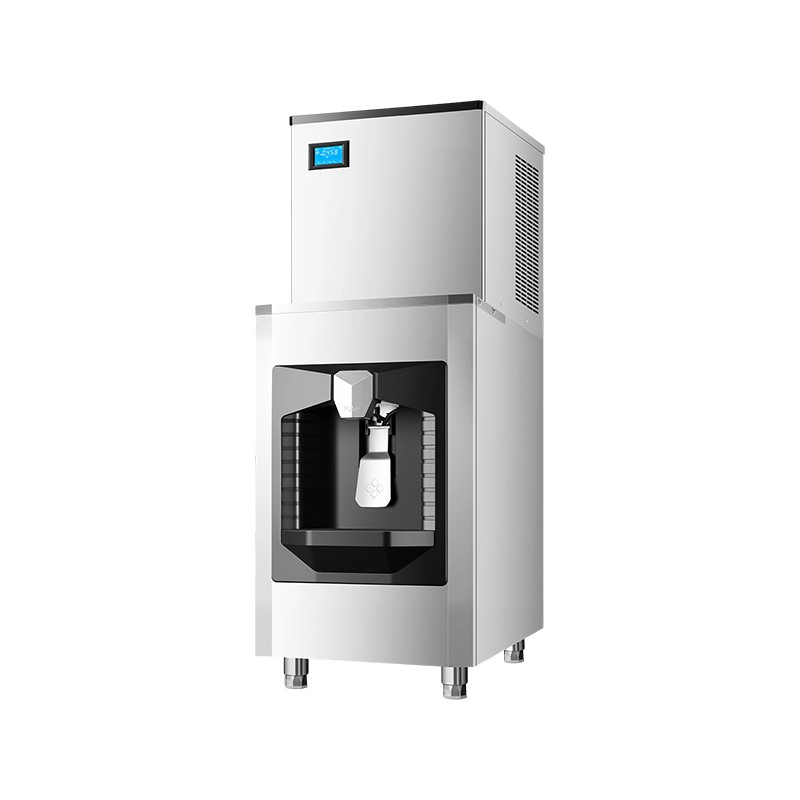
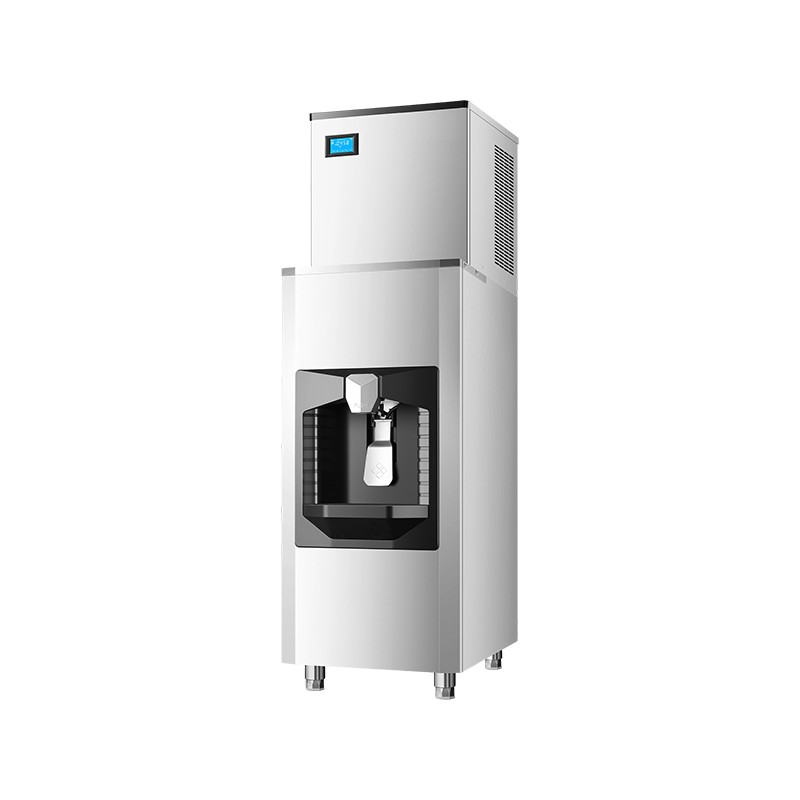
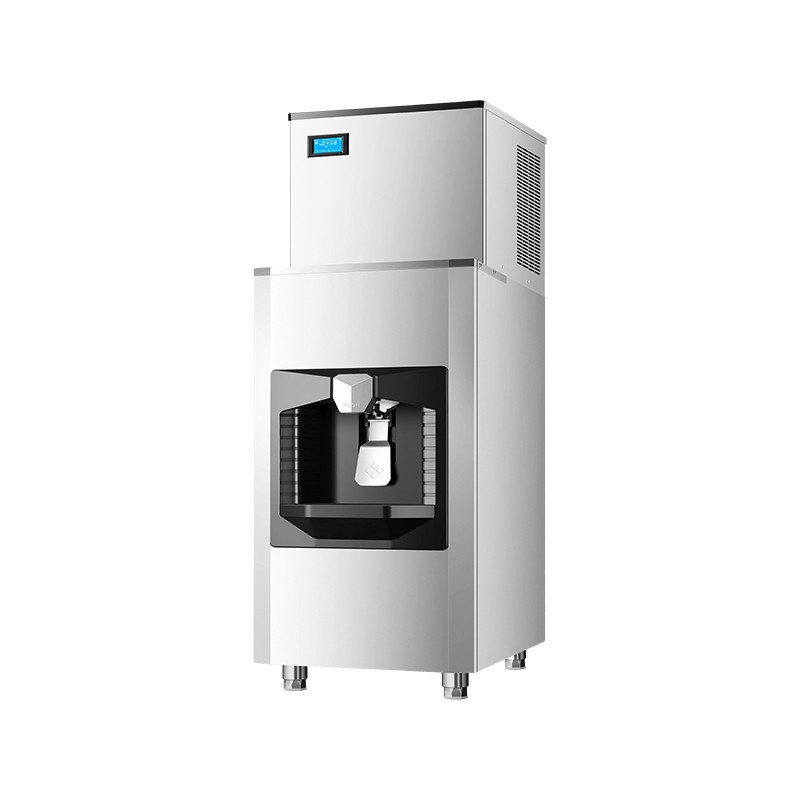
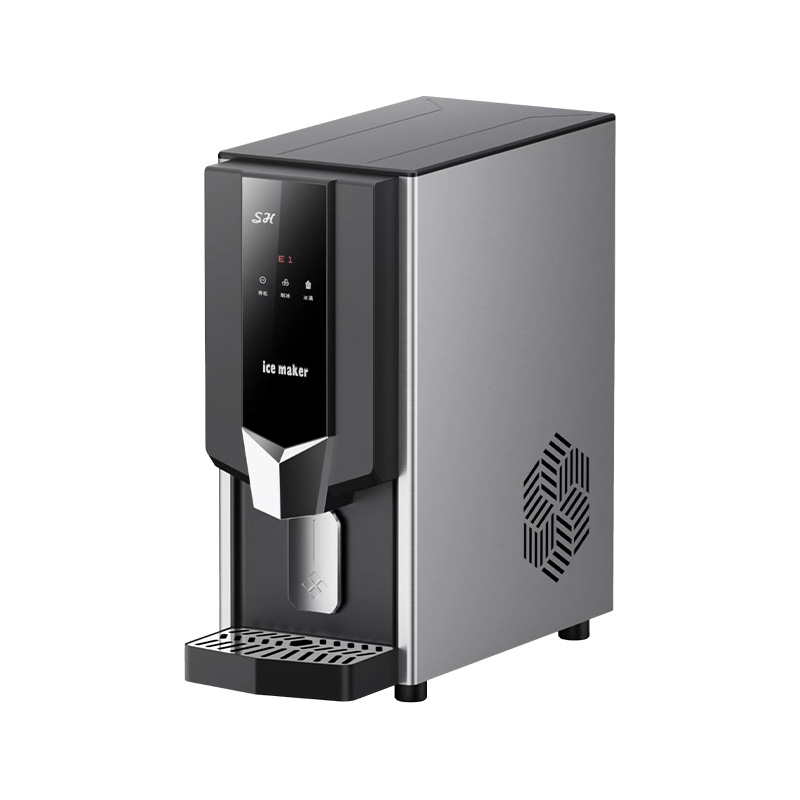
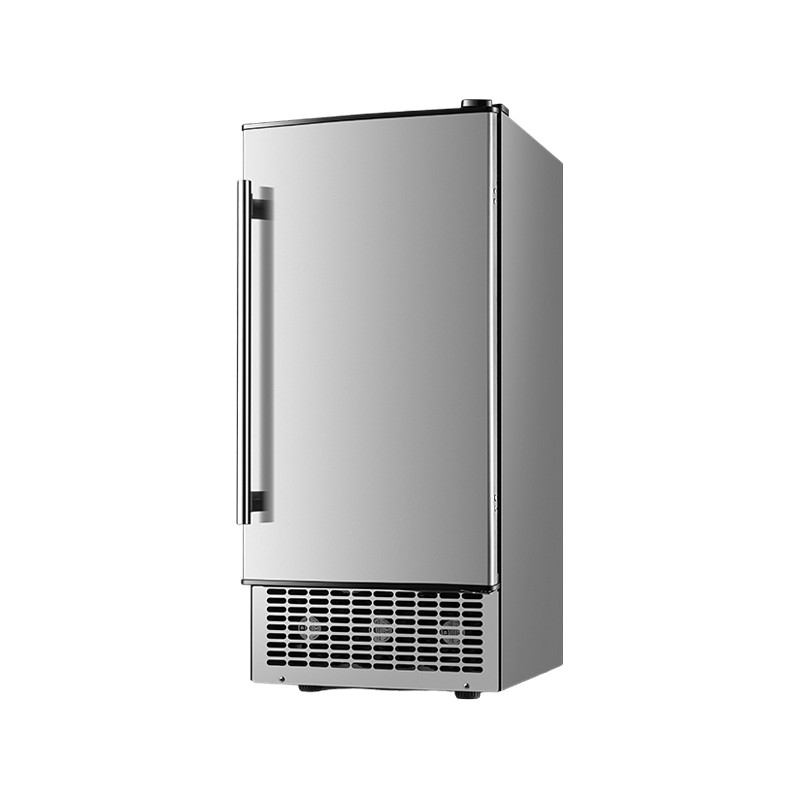
A smart energy-efficient integrated cube ice machine is a self contained appliance designed to produce uniform cube shaped ice while consuming significantly less electricity and water than older generation ice makers. The term integrated refers to its build in design, meaning the unit is engineered to be installed directly into cabinetry or countertop configurations, much like a built in dishwasher or wine cooler, rather than functioning only as a freestanding countertop appliance. This integration allows for a cleaner, more streamlined kitchen or bar aesthetic while still delivering full ice making functionality.
The smart component of these machines typically refers to digital control panels, programmable settings, and in some models connectivity features that allow users to monitor ice production, water levels, or maintenance alerts remotely through a smartphone app. Combined with energy efficient compressor technology, these machines are designed to minimize electricity and water usage while still producing a consistent, reliable supply of ice cubes suited to daily use.
How These Machines Work
The Basic Ice Making Cycle
Most integrated cube ice machines operate using a refrigeration cycle similar to that of a small freezer. Water is pumped from an internal reservoir or direct water line into an ice making tray or mold, where a refrigerant filled evaporator plate rapidly lowers the temperature of the water until it freezes into cube form. Once the ice reaches the correct size and hardness, a heating element or hot gas defrost cycle gently loosens the cubes from the mold, allowing them to drop into a storage bin below. This cycle repeats continuously as long as the storage bin has capacity remaining.
Compressor Technology and Energy Efficiency
The compressor is the primary energy consuming component in any ice machine, and smart energy-efficient models typically use variable speed or inverter compressors rather than traditional fixed speed units. An inverter compressor can adjust its operating speed based on real time cooling demand, running at lower power during periods of reduced ice usage and ramping up only when needed. This dynamic operation reduces overall electricity consumption compared to older compressors that cycle on and off at full power regardless of actual demand.
Water Recycling and Conservation Features
Water efficiency is another important aspect of these machines, since traditional ice makers can use a surprising amount of water relative to the ice actually produced, particularly during rinse and flush cycles. Many smart integrated models include water recycling systems that capture and reuse water that would otherwise be discarded during the ice making process, along with sensors that adjust water intake based on actual ice production needs rather than running on a fixed timer regardless of demand.
Insulation and Thermal Management
Because the unit is designed to be built into cabinetry, proper insulation and ventilation are critical to both performance and energy efficiency. Well engineered integrated ice machines include enhanced insulation around the storage bin to reduce the rate at which stored ice melts, along with ventilation pathways that allow heat generated by the compressor to dissipate efficiently, preventing the unit from working harder than necessary to maintain internal temperatures.
Smart Features and Digital Controls
The smart aspect of these ice machines extends beyond simple energy savings, offering a range of digital features that improve convenience, monitoring, and long term reliability. The sections below highlight some of the most common smart functions found in current models.
Digital Display and Touch Controls
Most models feature a digital display panel that shows current ice production status, storage bin fill level, and any active alerts, replacing the simple mechanical dials found on older ice makers. Touch sensitive controls allow users to select cube size preferences, initiate cleaning cycles, or pause production without needing to physically access internal components.
App Connectivity and Remote Monitoring
Higher end smart models often include Wi-Fi or Bluetooth connectivity, allowing users to monitor ice production remotely through a dedicated smartphone app. This can be particularly useful in commercial settings, where staff can check ice levels in a back room unit without needing to physically inspect it, or in home settings where users may want to confirm ice supply before hosting guests.
Automatic Cleaning and Maintenance Alerts
Many smart integrated ice machines include a self cleaning cycle that can be activated with a single button press, using a combination of water flow and, in some models, a mild cleaning solution to flush mineral deposits and residue from internal components. Maintenance alerts can also notify users when a filter needs replacement or when scale buildup has reached a level that may affect performance, helping prevent larger issues before they develop.
Adjustable Ice Cube Size and Production Rate
Some models allow users to select between different cube sizes, such as smaller cubes that cool beverages more quickly or larger cubes that melt more slowly, accommodating different beverage preferences. Production rate settings may also be adjustable, allowing the unit to prioritize either faster ice output or quieter, more energy conservative operation depending on user needs.
Key Benefits of Choosing an Integrated Model
Space Saving Design
Because integrated ice machines are designed to fit within existing cabinetry, they free up valuable countertop space compared to freestanding units, making them particularly appealing for smaller kitchens, home bars, or commercial spaces where counter real estate is limited.
Consistent Aesthetic Integration
Integrated models are typically designed with panel ready fronts or finishes that can be matched to surrounding cabinetry, allowing the appliance to blend seamlessly into a kitchen or bar design rather than standing out as a separate, freestanding unit.
Lower Long Term Operating Costs
While integrated smart ice machines often carry a higher upfront cost compared to basic countertop models, their energy efficient compressors and water conservation features can lead to meaningful savings on utility bills over the appliance's lifespan, particularly for households or businesses with high daily ice demand.
Quieter Operation
Variable speed compressors and improved insulation not only contribute to energy savings but often result in quieter operation compared to older fixed speed models, which can be an important consideration for open concept kitchens, home bars, or hospitality settings where excessive appliance noise is undesirable.
Comparing Ice Machine Types
The table below compares smart energy-efficient integrated cube ice machines against other common ice making appliance categories.
| Feature | Integrated Smart Ice Machine | Freestanding Countertop Model | Standard Refrigerator Ice Maker |
|---|---|---|---|
| Installation | Built into cabinetry with dedicated water line | Placed anywhere with access to power and water fill | Built into refrigerator unit |
| Ice Production Capacity | Generally higher, suited to frequent use | Moderate, suited to occasional use | Lower, limited by refrigerator design |
| Energy Efficiency | High, often with inverter compressor technology | Varies widely by model | Generally efficient but limited output |
| Smart Features | Commonly includes app connectivity and alerts | Basic models rarely include smart features | Rare in standard models |
| Aesthetic Integration | Seamless, panel ready design | Visible as a separate appliance | Concealed within refrigerator |
Tip: If considering an integrated model for a home renovation or new build, confirm ventilation and water line requirements with your contractor early in the planning process, since these units typically require more specific installation conditions than simple plug in countertop machines.
Choosing the Right Model for Your Needs
Assessing Daily Ice Demand
Before selecting a specific model, it helps to estimate typical daily ice usage, whether for a household, a home bar, or a small commercial kitchen. Machines are generally rated by their daily ice production capacity, and choosing a unit with adequate headroom above your typical demand helps avoid situations where the storage bin runs low during peak usage periods.
Water Supply Considerations
Some integrated models require a direct connection to a water line for continuous automatic operation, while others rely on a manually filled reservoir. A direct water line connection generally offers more consistent, hands free operation, but requires proper plumbing access during installation, which is an important factor to confirm before purchase.
Noise Level Expectations
For installations near living or entertaining spaces, checking the manufacturer's stated decibel rating can help set realistic expectations for operating noise, particularly for households sensitive to appliance sound during quiet evenings or gatherings.
Energy Rating and Certification
Look for relevant energy efficiency certifications or ratings, which can provide a standardized way to compare power consumption across different models and manufacturers, helping ensure the unit lives up to its energy efficient marketing claims.
Note: Actual ice production rates listed by manufacturers are often measured under ideal laboratory conditions. Real world output can vary based on ambient kitchen temperature, water supply temperature, and how frequently the storage bin is emptied, so it is reasonable to expect somewhat lower output during regular daily use.
Common Use Cases
Home Kitchens and Entertaining Spaces
For households that frequently entertain guests or simply consume a large volume of ice daily, an integrated model offers a convenient, continuous supply without the need to constantly refill trays or purchase bagged ice from a store.
Home Bars and Wine Cellars
Because integrated ice machines are designed to match surrounding cabinetry, they are a popular addition to home bar setups, where consistent ice supply and aesthetic integration are both valued alongside other built in appliances such as wine coolers or beverage refrigerators.
Small Commercial Kitchens and Cafes
Restaurants, cafes, and small bars with limited counter or back of house space often benefit from the compact, built in design of these machines, which can produce a steady supply of ice for beverages while minimizing the appliance footprint in already tight kitchen layouts.
Offices and Break Rooms
Some businesses install integrated ice machines in shared break rooms or kitchenettes, offering employees convenient access to ice for beverages without relying on a standard refrigerator's more limited ice production capacity.
Maintenance and Care Recommendations
- Run the self cleaning cycle regularly, following the manufacturer's recommended schedule, to reduce mineral buildup and maintain consistent ice quality.
- Replace water filters according to the recommended interval to prevent scale buildup and ensure clean tasting ice.
- Periodically check and clear the ventilation area around the unit to prevent dust accumulation, which can reduce cooling efficiency over time.
- Inspect door seals and cabinetry fit periodically to confirm the unit remains properly insulated and level for optimal performance.
- If the machine is connected to a direct water line, have the connection inspected periodically for leaks or reduced water pressure that could affect ice production.
Frequently Asked Questions
How much electricity does a smart energy-efficient ice machine typically use
Energy consumption varies by model and production capacity, but units built with inverter compressor technology generally use meaningfully less electricity than older fixed speed designs, particularly during periods of lower ice demand when the compressor can operate at reduced speed rather than cycling fully on and off.
Can these machines be installed without a direct water line
Some models offer a manual fill option using an internal reservoir, though this typically requires more frequent user intervention to keep the reservoir topped off, especially during periods of high ice usage. A direct water line connection is generally recommended for more consistent, low maintenance operation.
How long does it typically take to produce the first batch of ice
Most integrated cube ice machines produce their first batch of ice within roughly fifteen to twenty five minutes of startup, though this can vary depending on ambient temperature, water temperature, and the specific model's production cycle design.
Do smart features require an ongoing subscription
Most manufacturers do not require a paid subscription for basic app connectivity and monitoring features, though it is worth checking individual product documentation, since some premium smart features or extended warranty monitoring services may involve additional costs.
Environmental and Cost Considerations
Beyond convenience, the energy and water efficiency built into these machines can contribute to a lower overall environmental footprint compared to older ice making technology. Reduced electricity consumption from inverter compressors, combined with water recycling features that limit unnecessary water waste, align with broader efforts to make household and commercial appliances more sustainable. Over the appliance's operating lifespan, these efficiency gains can also translate into measurable savings on utility bills, helping offset the typically higher upfront investment associated with integrated smart models compared to basic countertop ice makers.
Future Trends in Ice Machine Technology
As smart home and smart kitchen technology continues to expand, integrated ice machines are likely to see further advances in connectivity, allowing deeper integration with broader home automation systems and more detailed usage analytics accessible through companion apps. Continued refinement of inverter compressor technology and water recycling systems is also expected to push energy and water efficiency even further, while manufacturers explore quieter operation and more customizable ice output options to suit an increasingly wide range of household and commercial preferences.
In summary, the smart energy-efficient integrated cube ice machine offers a compelling combination of space saving design, reduced energy and water consumption, and convenient digital controls suited to both home and commercial settings. By understanding how these machines work, the smart features available, and the key factors that influence performance and efficiency, buyers can make a more informed choice when selecting a unit that fits their daily ice demand, installation requirements, and long term budget considerations.