
 English
 中文简体
中文简体 عربى
عربى

Home / News / Industry News / Why Are High-Efficiency Built-In Ice Machines Becoming the Ultimate Solution for Redefining Space and Performance in Modern Kitchens and Bars?
Content
- 1 The Rise of the Built-In Ice Machine: Demand, Design, and Expectation
- 2 How High-Efficiency Integrated Built-In Ice Machines Actually Work
- 3 What Makes a Built-In Installation Genuinely Integrated
- 4 Matching Ice Type to Application: The Spectrum of Built-In Ice Production
- 5 Navigating Energy Efficiency Standards for Ice Machines
- 6 Hygiene Engineering: Why Built-In Ice Machines Demand Serious Sanitation Design
- 7 Intelligence at Work: Controls, Connectivity, and Demand Optimization
- 8 Residential and Commercial Built-In Ice Machines: Different Demands, Shared Principles
- 9 How to Select and Size a High-Efficiency Integrated Built-In Ice Machine
- 10 The Competitive Landscape: Who Is Defining High-Efficiency Built-In Ice Machine Technology
- 11 The Future of High-Efficiency Integrated Built-In Ice Machines
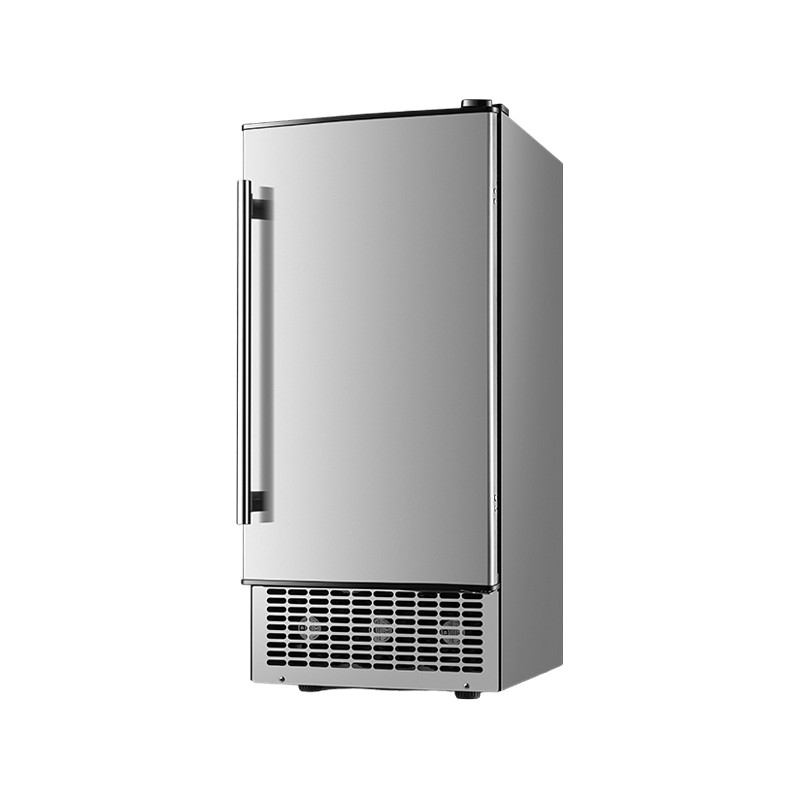
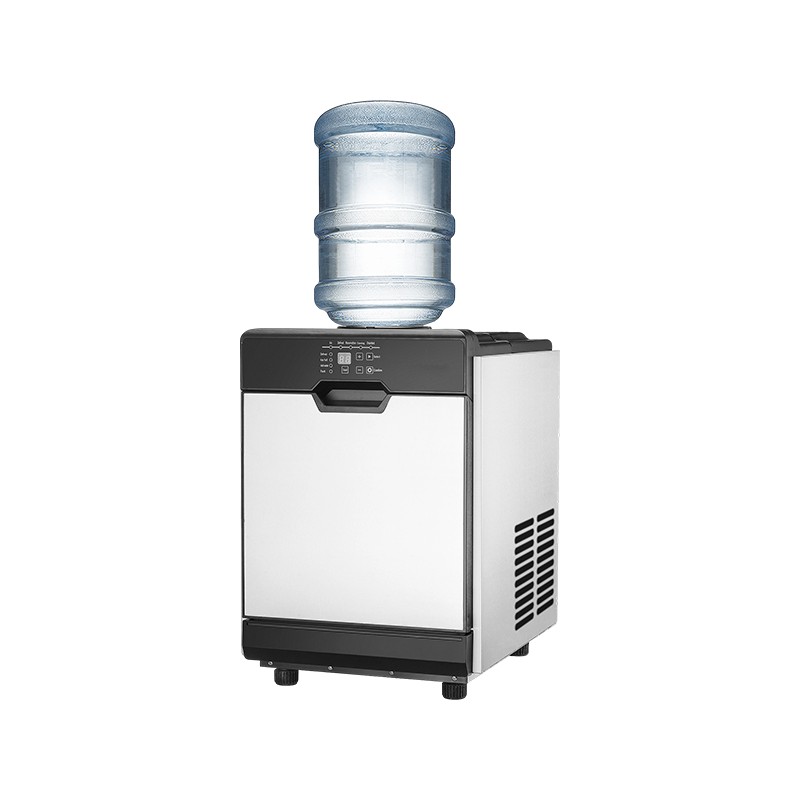
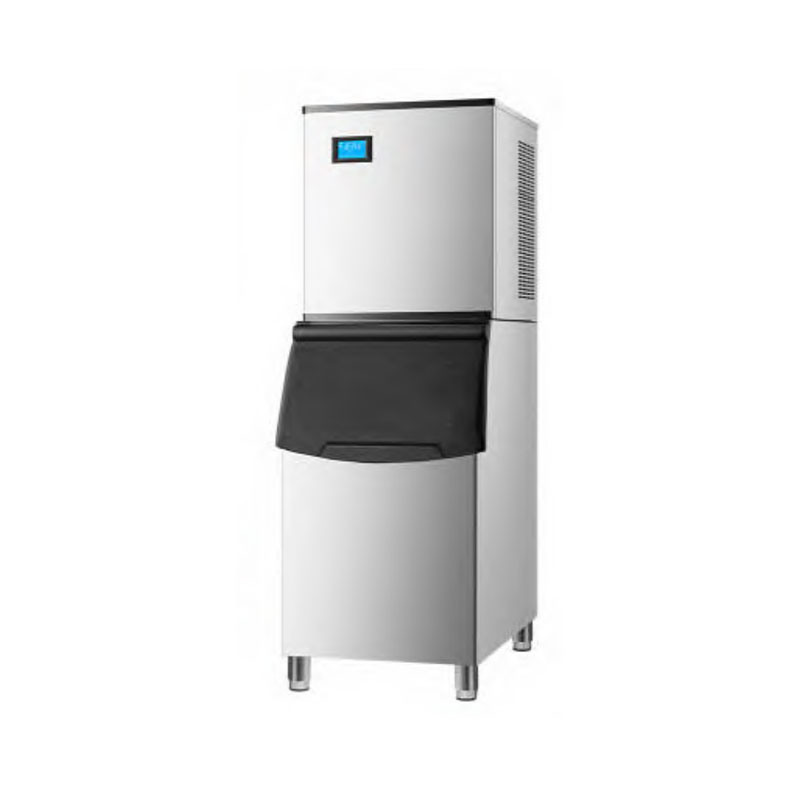
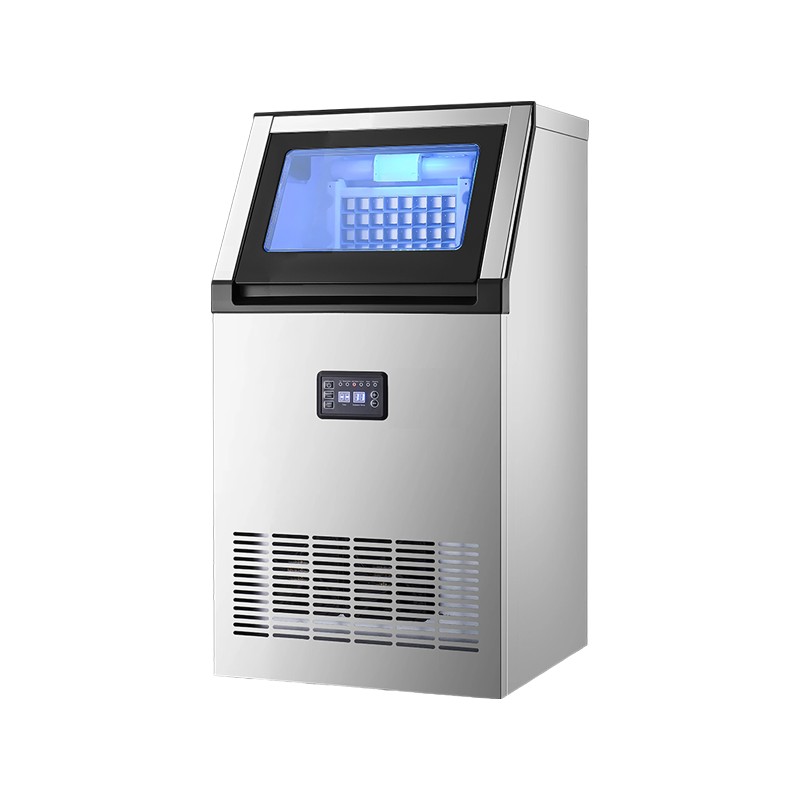
High-efficiency integrated built-in ice machines represent one of the most consequential yet underappreciated advances in modern appliance engineering. From upscale residential kitchens and boutique hospitality settings to busy commercial bars and healthcare environments, these purpose-built systems are redefining what it means to produce, store, and serve ice reliably while consuming less energy, less water, and far less physical space than the freestanding alternatives they are steadily displacing.
The Rise of the Built-In Ice Machine: Demand, Design, and Expectation
Ice production may seem like a mundane utility, yet its reliability and quality shape the experience of everything from a craft cocktail to a post-surgical recovery room. For decades, the solution was to purchase a large, noisy undercounter or freestanding machine, route drain lines wherever space permitted, and accept the energy bill that arrived with it. That approach is giving way to a new generation of purpose-designed, integrated built-in ice machines that treat ice production as an engineered system rather than an afterthought.
The global market for built-in and undercounter ice machines has expanded rapidly, driven by three converging forces. First, residential kitchen design has elevated ice quality to a luxury specification item, with homeowners and designers seeking clear, slow-melt cubes produced by machines that fit seamlessly behind cabinetry panels. Second, the commercial foodservice and hospitality industry has adopted stricter standards for ice hygiene, energy consumption, and operational footprint, creating demand for compact, high-output machines that integrate with existing cabinetry without compromising ventilation or serviceability. Third, evolving energy codes in North America, Europe, and Asia-Pacific have imposed minimum efficiency requirements on ice machines, accelerating the retirement of legacy equipment and pulling investment toward high-efficiency designs.
Understanding high-efficiency integrated built-in ice machines requires examining not just the refrigeration cycle at their core but the system-level engineering decisions around airflow, insulation, water management, controls intelligence, and installation compatibility that collectively determine real-world performance.
55% Energy Savings vs Legacy Units
Top-rated built-in ice machines now consume up to 55 percent less energy per pound of ice than standard models sold a decade ago.
30lbs Compact Daily Output
Residential integrated units routinely deliver 25 to 35 pounds of ice per day from a 15-inch wide cabinet footprint.
3x Ice Quality Improvement
Slow-freeze and column-freeze technologies produce clear, dense cubes that melt three times more slowly than conventional ice.
Engineering Principles
How High-Efficiency Integrated Built-In Ice Machines Actually Work
At their foundation, all ice machines operate on the vapor-compression refrigeration cycle: a refrigerant absorbs heat from water, causing it to freeze, then rejects that heat to the surrounding environment through a condenser. The efficiency of this process, measured in kilowatt-hours of energy consumed per hundred pounds of ice produced, is what differentiates a high-efficiency integrated design from a commodity undercounter machine.
The Refrigeration Cycle in Context
Modern high-efficiency units use scroll or rotary compressors selected specifically for the operating envelope of an ice machine, which differs significantly from that of a refrigerator or air conditioner. Ice machines operate at relatively high suction pressures because water freezes at zero degrees Celsius rather than the sub-zero evaporator temperatures required in deep-freeze applications, allowing compressor designs optimized for this narrow band to achieve efficiency levels impossible in general-purpose machines.
Refrigerant choice has shifted substantially as the industry phases out high-global-warming-potential HFCs. R-290, propane, is increasingly used in residential integrated ice machines, delivering superior thermodynamic properties alongside a global warming potential of just three compared to over 2000 for the R-404A it replaces. Commercial units are migrating toward R-452A and R-448A as drop-in or near-drop-in replacements for R-404A, while CO2 cascade systems are appearing in larger commercial installations where refrigerant charge management is handled at a system level.
Air-Cooled vs Water-Cooled Condensing
The condenser configuration is one of the most consequential design decisions in a built-in ice machine. Air-cooled condensers reject heat through a fan-drawn airstream that must enter and exit the machine enclosure without recirculation. In a built-in installation, this is non-trivial: unlike a freestanding unit with unrestricted airflow on all sides, a built-in machine is surrounded by cabinetry on three sides. Leading manufacturers address this through front-venting designs that draw ambient air through a grille at the front face and exhaust warm air through a separate front duct, eliminating any dependence on side or rear clearance.
Water-cooled variants use a dedicated water circuit to carry condenser heat away from the machine, producing higher efficiency at the unit level because condenser temperatures can be held lower than ambient air temperatures allow. However, water-cooled systems consume significant volumes of condenser water as a resource, creating both a cost and a sustainability concern that has led many operators to shift toward air-cooled systems supplemented by efficiency improvements at the refrigeration cycle level.
Ice Formation Methods and Their Efficiency Implications
The method by which water is converted to ice is as important to efficiency as the refrigeration cycle itself. Harvest-cycle machines, which freeze water against evaporator plates and then release cubes using a brief hot-gas or water-flush harvest, are the dominant technology in commercial settings. Efficiency in harvest-cycle machines depends critically on cycle timing, harvest completeness, and the energy consumed during the defrost phase. Modern controllers use ambient temperature sensors, evaporator temperature curves, and production rate feedback to continuously optimize cycle lengths, reducing both energy waste during harvesting and the risk of incomplete harvest that leads to machine jams and quality problems.
Slow-freeze or directional-freeze technologies, increasingly common in residential built-in units positioned around ice quality rather than volume output, freeze water from the bottom up or from a single direction, forcing dissolved minerals and air pockets to migrate ahead of the freeze front and be expelled or concentrated at the top of the cube. The result is the optically clear, dense cube favored in premium beverage service. These systems consume more time per cube but produce ice with significantly lower surface area relative to mass, extending melt duration by a factor of two to three over conventional harvest-cycle cubes.
System Integration
What Makes a Built-In Installation Genuinely Integrated
The word integrated in the context of built-in ice machines carries specific engineering meaning beyond the marketing sense of the term. True integration involves thermal isolation from adjacent appliances, compatible ventilation pathways, appropriate drain routing, water supply conditioning, and panel-ready exterior finishing that aligns with surrounding cabinetry.
Ventilation Engineering for Zero-Clearance Installation
A built-in ice machine installed in a run of cabinetry cannot rely on passive convection to establish airflow across the condenser. Front-breathing designs use internal duct structures that separate intake and exhaust streams within the machine body, ensuring that warm condenser exhaust air is directed cleanly out of the enclosure without being drawn back into the intake. The fan arrangement, whether axial or centrifugal, is selected for static pressure performance rather than just flow volume, because the internal ducting and front grille impose resistance that a standard fan would not overcome at sufficient velocity to maintain condenser temperatures within the design envelope.
Installation specifications from leading manufacturers now include heat rejection curves that allow kitchen designers and HVAC engineers to account for the thermal load added to the enclosed space by a built-in ice machine, particularly important in compact butler pantries or island installations where multiple heat-generating appliances may share limited cubic footage.
Water Supply and Treatment
Ice quality is inseparable from water quality. High-efficiency integrated built-in ice machines are typically specified with inline filtration that removes particulates, chlorine, and dissolved organics that would otherwise appear as cloudiness, off-flavors, or scale deposits on evaporator surfaces. Scale accumulation on evaporator plates is the single most common cause of efficiency degradation in ice machines: even a thin mineral deposit acts as a thermal insulator that forces the refrigeration system to work harder for longer to achieve the same ice thickness, directly increasing energy consumption and reducing daily output.
Reverse osmosis systems placed upstream of ice machines in installations with particularly hard water dramatically extend service intervals and maintain peak efficiency over multi-year operating periods. Water softening, an alternative approach, reduces hardness but introduces sodium that can affect ice taste and may increase the biological growth risk in the water circuit. Most premium residential and commercial installations specify carbon block filtration combined with a scale inhibitor cartridge as the optimum balance of cost, effectiveness, and maintenance simplicity.
Installation Insight
Industry service data consistently identifies scale buildup on evaporator surfaces as responsible for 30 to 40 percent of efficiency losses observed in ice machines over their first three years of operation. Specifying appropriate water filtration at installation is one of the highest-return investments available to operators seeking to preserve the efficiency advantage of a high-performance built-in unit throughout its service life.
Drain Configuration and Gravity vs Pump-Assisted Systems
Drain routing is a frequently underestimated installation challenge for built-in ice machines. Gravity drainage requires that the drain outlet be positioned above a floor drain or standpipe at an appropriate fall rate, which is not always achievable in island or peninsula cabinet installations. Pump-assisted drain systems integrated into the machine allow drain outlets to be positioned at countertop level or higher, discharging to a nearby sink drain, significantly expanding the range of locations where a built-in unit can be installed without structural modification to the kitchen floor.
Ice Types and Applications
Matching Ice Type to Application: The Spectrum of Built-In Ice Production
High-efficiency integrated built-in ice machines are available across a wide range of ice types, each optimized for specific applications. Selecting the correct ice type is as important as selecting the correct production capacity, both for user satisfaction and for long-term efficiency.
| Ice Type | Typical Production Rate | Best Application | Efficiency Tag |
|---|---|---|---|
| Full Cube (Hotel / Square) | 25 to 50 lbs per day | Beverages, foodservice, residential entertainment | High Efficiency |
| Half Cube | 30 to 60 lbs per day | Dispensing systems, cafeterias, fast-casual foodservice | High Efficiency |
| Gourmet / Sphere / Octagon | 15 to 30 lbs per day | Premium cocktail bars, luxury residential, hotel bars | Premium Clear |
| Nugget / Chewable | 50 to 100 lbs per day | Healthcare, soft drinks, blended beverages, convenience stores | High Volume |
| Flake Ice | 100 to 300 lbs per day | Seafood display, produce cooling, medical and laboratory applications | High Volume |
| Crescent Cube | 25 to 55 lbs per day | General beverage service, residential, hotel room service | High Efficiency |
Nugget ice, produced by extruding compressed flake ice through a forming die, has experienced remarkable growth in residential built-in installations as consumers who encountered this ice type in healthcare and convenience settings began specifying it for home use. Its soft, chewable texture and rapid beverage-chilling ability have created a dedicated enthusiast following that has driven manufacturers including Opal, GE Profile, and Hoshizaki to introduce residential nugget-format built-in models at volumes and price points previously unavailable.
Efficiency Standards
The regulatory landscape for ice machine efficiency has tightened considerably and continues to evolve. Understanding the applicable standards is essential for procurement teams, kitchen designers, and specifying engineers who need to select equipment that will remain compliant throughout its anticipated service life.
In the United States, the Department of Energy sets mandatory minimum efficiency standards for commercial ice machines measured in kilowatt-hours per hundred pounds of ice and gallons of water per hundred pounds of ice. These standards, last significantly revised in 2018, set progressively stricter thresholds by ice type and production capacity, with air-cooled batch harvest machines facing the most demanding energy requirements. The CEE Tier 1 and Tier 2 voluntary program tiers identify equipment that exceeds federal minimums by 15 and 30 percent respectively, providing a useful benchmark for procurement teams seeking best-in-class efficiency.
In Europe, the Ecodesign Regulation and related energy labeling frameworks set efficiency requirements for professional refrigerating appliances that encompass commercial ice machines. The 2021 revision introduced minimum efficiency index thresholds tied to annual energy consumption calculations that account for ambient temperature conditions across European climate zones, reflecting the reality that an ice machine installed in southern Spain faces far more demanding ambient conditions than the same unit installed in northern Sweden.
"Specifying a machine that merely meets minimum efficiency standards today is increasingly a false economy. Equipment that falls at the minimum will face obsolescence within a regulatory cycle, while units performing at the top of the market provide built-in regulatory longevity alongside lower operating costs throughout their service life."
For residential built-in ice machines, ENERGY STAR certification provides the primary efficiency benchmark in North America, requiring that certified units consume no more than a specified maximum energy input per unit of ice produced across a standardized test cycle. The ENERGY STAR Most Efficient designation, awarded annually to a small number of top-performing units, identifies the leading edge of available technology and is increasingly referenced in green building rating schemes including LEED and WELL.
Hygiene and Maintenance
Hygiene Engineering: Why Built-In Ice Machines Demand Serious Sanitation Design
Ice is a food product, yet it has historically received less rigorous sanitation attention than other food-contact surfaces in commercial and residential settings. Research has repeatedly demonstrated that ice machines are capable of harboring and transmitting pathogenic organisms including Listeria monocytogenes, Pseudomonas aeruginosa, and a range of mold species if not designed, installed, and maintained with hygiene as a primary engineering objective.
High-efficiency integrated built-in ice machines from leading manufacturers address this through design features rather than relying solely on user cleaning compliance. Antimicrobial component materials including AgION silver-ion treated evaporators and storage bins inhibit microbial surface colonization between cleaning cycles. Sloped internal surfaces without horizontal ledges or recessed fasteners eliminate the water pooling and biofilm accumulation sites that characterize older machine designs. Self-cleaning cycles driven by food-safe cleaning and sanitizing solution automatically circulate through the water circuit and over ice-contact surfaces at user-defined intervals, converting a procedure that previously required a trained technician into a push-button routine manageable by standard kitchen staff.
- Silver-ion antimicrobial treatment on evaporators and storage bins reduces biofilm formation between cleaning cycles.
- Automated self-cleaning cycles using food-safe solutions remove scale and sanitize water circuits without technician involvement.
- Closed storage bin designs with hinged access doors limit airborne contamination of stored ice.
- Filter change indicators integrated into digital displays eliminate the common failure mode of operating beyond service intervals.
- NSF/ANSI 12 certification validates that machine design meets food equipment hygiene standards for commercial foodservice environments.
Smart Controls
Intelligence at Work: Controls, Connectivity, and Demand Optimization
The control system of a modern high-efficiency integrated built-in ice machine is far removed from the simple thermostat and timer-relay logic of legacy equipment. Contemporary units employ microcontroller-based management systems that continuously optimize production cycles, monitor component health, and increasingly communicate with building management systems and smart home platforms to enable demand-aware operation.
Production optimization algorithms adapt cycle timing based on real-time measurement of evaporator temperature profiles, water temperature, ambient air temperature, and bin fill level. Rather than running a fixed freeze-and-harvest cycle length, these systems dynamically adjust freeze duration to achieve consistent ice thickness regardless of changes in ambient conditions or incoming water temperature, eliminating both the energy waste of overly long freeze cycles and the quality problems associated with thin, fragile ice produced by prematurely triggered harvests.
WiFi and Bluetooth connectivity, now standard in premium residential built-in models and increasingly available in commercial units, enables remote monitoring of production rates, filter status, cleaning reminders, and diagnostic fault codes. Service technicians can access detailed operating history before arriving on site, reducing diagnostic time and allowing parts to be sourced in advance of the service visit. For commercial operators managing multiple locations, fleet management dashboards aggregate machine status data across every unit in the estate, allowing preventive maintenance to be prioritized based on actual operating hours and condition data rather than calendar schedules.
Smart Feature Spotlight
Leading residential built-in ice machines now integrate with Amazon Alexa, Google Home, and Apple HomeKit ecosystems, allowing voice-controlled production mode switching between standard and rapid ice modes, automated shutdown scheduling during noise-sensitive hours, and energy consumption tracking through smart home dashboards. These features are not cosmetic additions but contribute meaningfully to real-world efficiency by ensuring machines operate at reduced capacity or in standby during periods of low ice demand rather than cycling continuously through the night producing ice that melts before it is needed.
Residential vs Commercial
While residential and commercial built-in ice machines share the same fundamental refrigeration physics and efficiency imperatives, their design emphases differ substantially in ways that matter greatly to specifiers.
Residential Built-In Units
Residential units prioritize aesthetic integration, acoustic performance, ice quality, and smart connectivity. Stainless steel or panel-ready door finishes allow seamless integration with surrounding cabinetry. Noise output below 40 decibels at one meter is a key specification metric for open-plan kitchen and living environments. Ice quality, particularly clarity and slow-melt performance, commands premium positioning. Most residential units produce between 25 and 50 pounds of ice per day and store 25 to 35 pounds in insulated bins.
Commercial Built-In Units
Commercial built-in and undercounter units emphasize production capacity, service accessibility, NSF certification, and long-term reliability under continuous operation. Output ranges from 50 to over 350 pounds per day in undercounter form factors. Stainless steel interiors, front-serviceable components, and compatibility with commercial warewashing chemicals are baseline requirements. Energy Star and CEE certification are procurement prerequisites for cost-conscious operators and green building projects.
Hospitality and Bar Applications
Hotel in-room and bar-area built-in units occupy a demanding middle ground, requiring sufficient daily output to serve peak service periods, near-silent operation for guest comfort, rapid ice recovery between service rushes, and tamper-resistant control panels suitable for guest room installation. Many hospitality units incorporate harvest sensing technology that prevents dispensing while a cleaning cycle is active.
Healthcare and Laboratory Settings
Healthcare-grade built-in ice machines are NSF 12 and often NSF 61 certified, confirming that all water-contact materials meet potable water safety standards. Models designed for clinical settings produce nugget or flake ice for patient care, featuring enhanced sanitation protocols, antimicrobial surfaces, and tamper-evident storage bins. Some laboratory variants produce sterile flake ice for sample preservation with dedicated clean-room installation options.
Selection and Sizing
How to Select and Size a High-Efficiency Integrated Built-In Ice Machine
Selecting the right built-in ice machine requires a systematic approach that accounts for daily ice demand, peak demand timing, installation constraints, ice type preference, water quality, ambient operating conditions, and long-term service access requirements.
Daily demand estimation follows recognized guidelines that vary by application. Foodservice industry standards suggest one to one and a half pounds of ice per restaurant cover served, six to eight pounds per hotel room night for in-room ice, and approximately five pounds per pound of seafood displayed in a fishmonger or buffet setting. Residential estimates vary widely but households with active entertaining patterns or a preference for daily smoothies, cocktails, and iced beverages typically benefit from machines producing a minimum of 30 pounds per day with at least 20 pounds of storage capacity.
Ambient temperature is frequently underestimated in sizing calculations. An air-cooled built-in ice machine installed in a kitchen that reaches 35 degrees Celsius in summer will produce significantly less ice per day than its rated output, which is typically measured at a standard ambient of 21 degrees Celsius with water supplied at 10 to 15 degrees Celsius. Reputable manufacturers publish ambient performance derating curves that allow specifiers to calculate actual output under site-specific summer conditions and size accordingly.
- Always size for peak demand, not average demand, adding a 20 percent buffer for ambient derating in warm climates.
- Confirm minimum clearances specified by the manufacturer are achievable with the intended cabinet configuration before ordering.
- Verify water supply pressure falls within the machine's specified operating range, typically 20 to 80 psi.
- Specify the filtration system at the same time as the machine and include filter change costs in the total cost of ownership calculation.
- Confirm that a gravity drain path exists or that a pump-assisted drain model is selected before finalizing installation design.
Leading Brands and Innovation
The Competitive Landscape: Who Is Defining High-Efficiency Built-In Ice Machine Technology
The market for high-efficiency integrated built-in ice machines encompasses both specialist ice machine manufacturers and broader appliance brands that have entered the category as residential demand has grown.
In the commercial segment, Hoshizaki and Manitowoc remain the dominant global forces, both having invested heavily in efficiency improvements driven by regulatory pressure and customer demand. Hoshizaki's cube-style machines are recognized for exceptional thermodynamic efficiency and extreme reliability, achieved through a unique evaporator design that freezes water in individual cells rather than on a continuous flat plate. Manitowoc's Indigo NXT series introduced machine learning-based production optimization that the company reports reduces energy consumption by up to 15 percent compared to conventional fixed-cycle operation. Scotsman, Ice-O-Matic, and Follett round out the commercial tier with strong positions in specific ice-type niches and distribution-focused service networks.
In the residential and premium commercial crossover segment, brands including Sub-Zero, True Residential, U-Line, Marvel, and Perlick offer built-in units that marry commercial-grade refrigeration performance with the panel-ready finishing and whisper-quiet operation that luxury residential projects demand. GE Profile's Opal nugget ice maker, which began as a countertop product and has expanded into a built-in form factor, has introduced an entirely new consumer segment to the category by targeting the large community of patients and healthcare workers who developed a preference for nugget ice in clinical settings and sought to replicate it at home.
Future Outlook
The Future of High-Efficiency Integrated Built-In Ice Machines
The trajectory of high-efficiency integrated built-in ice machines over the coming decade will be shaped by three forces: continuing regulatory tightening of energy and refrigerant standards, the integration of ice machines into smart building energy management ecosystems, and advances in ice formation technology that deliver superior quality alongside lower resource consumption.
Refrigerant transition will accelerate as HFC phase-down schedules tighten. R-290 propane is likely to become the dominant refrigerant in residential integrated ice machines within five years, given its outstanding thermodynamic performance, near-zero global warming potential, and growing acceptance in domestic appliance markets. Commercial machines will follow as regulatory frameworks and insurance industries develop standardized approaches to managing the mild flammability risk of hydrocarbon refrigerants in commercial kitchen environments.
Grid integration will emerge as a significant value-creating capability for commercial built-in ice machines in particular. An ice machine equipped with a demand-response controller can shift its production load away from grid stress periods, pre-building stored ice inventory when electricity is clean and cheap and drawing down that inventory during peak tariff windows. For a large hotel, restaurant, or healthcare facility operating dozens of ice machines as a coordinated virtual thermal battery, this flexibility can generate meaningful demand response revenue while supporting grid decarbonization.
Ice formation technology will continue to evolve toward higher clarity, more consistent geometry, and lower water-to-ice waste ratios. Electrofreezing approaches that use electric field-assisted nucleation to control crystal formation at a molecular level are in laboratory development and promise to bring directional-freeze clarity to harvest-cycle production speeds, potentially combining the quality advantage of slow-freeze systems with the throughput of conventional batch machines.
Key Takeaway
High-efficiency integrated built-in ice machines are no longer a niche luxury but a mainstream specification choice across residential, commercial, and institutional settings. The best units available today deliver ice quality, production reliability, energy performance, and hygiene standards that were simply unavailable in compact built-in form factors a decade ago. For buyers willing to specify thoughtfully, install correctly, and maintain consistently, these machines represent one of the most rewarding appliance investments available, combining operational excellence with a genuinely reduced environmental footprint across every pound of ice they produce.