
 English
 中文简体
中文简体 عربى
عربى

Home / News / Industry News / With the Surge in Sustainability Demands, Is the High-Efficiency Eco-Friendly Nugget Ice Making Machine Becoming the Core for Green Operations in Modern Commercial Catering?
Content
- 1 What Is a Commercial Nugget Ice Maker
- 2 How Nugget Ice Is Made
- 3 Core Features That Define Energy Efficiency
- 4 Comparing Standard and High Efficiency Nugget Ice Machines
- 5 Why Nugget Ice Is Especially Popular in Healthcare and Hospitality Settings
- 6 Installation and Operational Considerations
- 7 Maintenance Practices That Support Long Term Efficiency
- 8 The Wellness Dimension of Efficient Commercial Ice Equipment
- 9 Common Mistakes to Avoid
- 10 Choosing the Right Nugget Ice Machine for Your Business
- 11 Frequently Asked Questions
- 11.1 Why does nugget ice typically use more water to produce than cube ice
- 11.2 How much can an energy efficient model actually save on operating costs
- 11.3 Are eco friendly refrigerants as effective as traditional options
- 11.4 How often should a commercial nugget ice machine be professionally serviced
- 12 Final Thoughts
Commercial kitchens, cafes, hospitals, and beverage service businesses all share a common, often overlooked demand: a steady, reliable supply of ice. Among the many options available, nugget ice has become particularly popular for its soft, chewable texture and superior ability to absorb flavor, making it a favorite in healthcare settings, casual dining, and specialty beverage service. An energy efficient, eco friendly commercial nugget ice maker meets this demand while addressing growing concerns around operating costs, water conservation, and environmental responsibility. This guide explores how these machines work, why efficiency matters for both business and environmental outcomes, and how thoughtful equipment choices connect to a calmer, healthier operational rhythm for the staff who rely on them daily.
What Is a Commercial Nugget Ice Maker
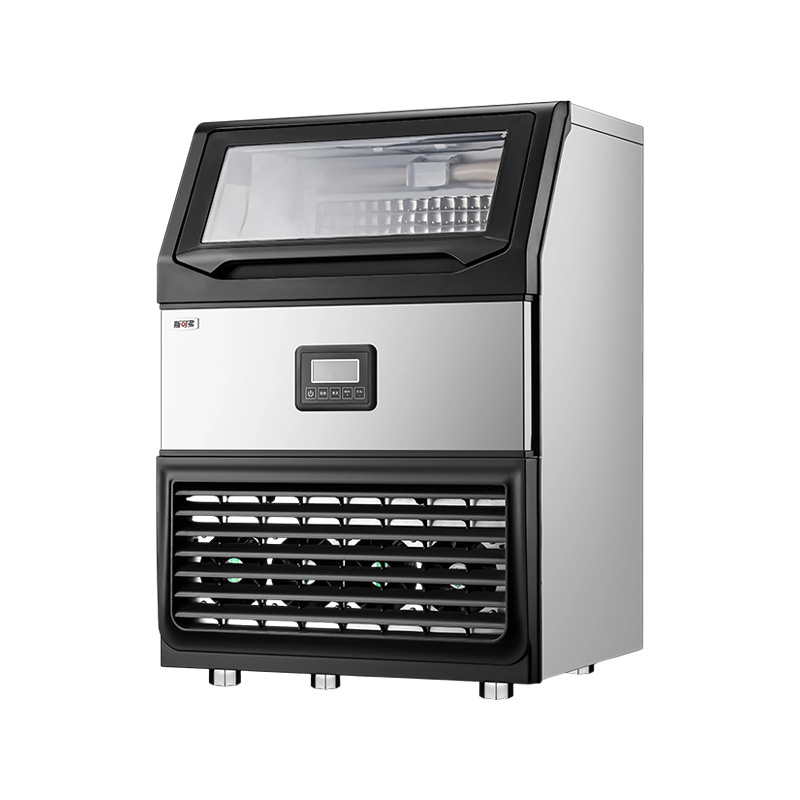
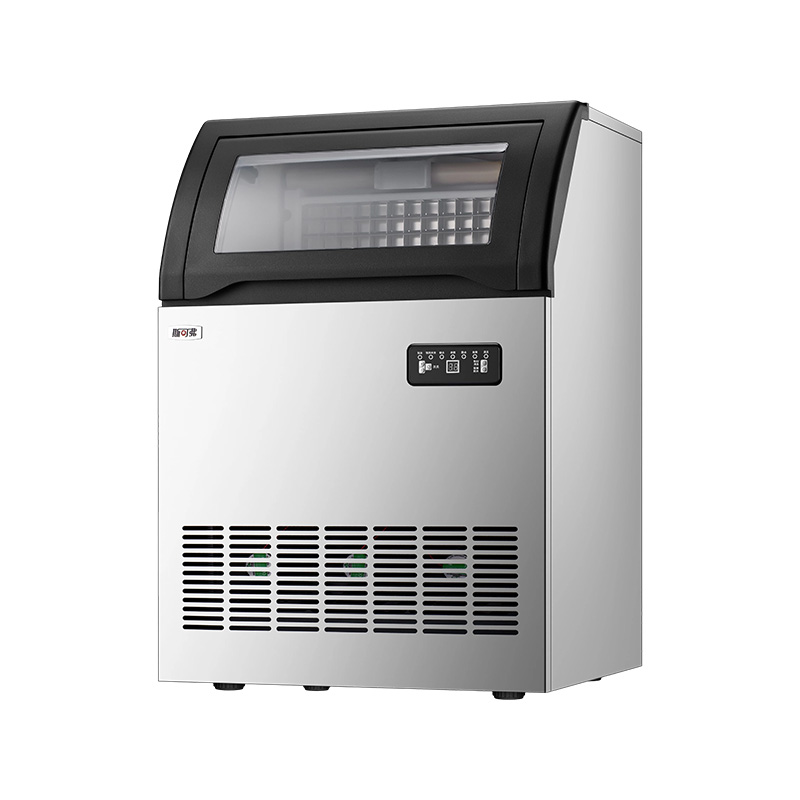
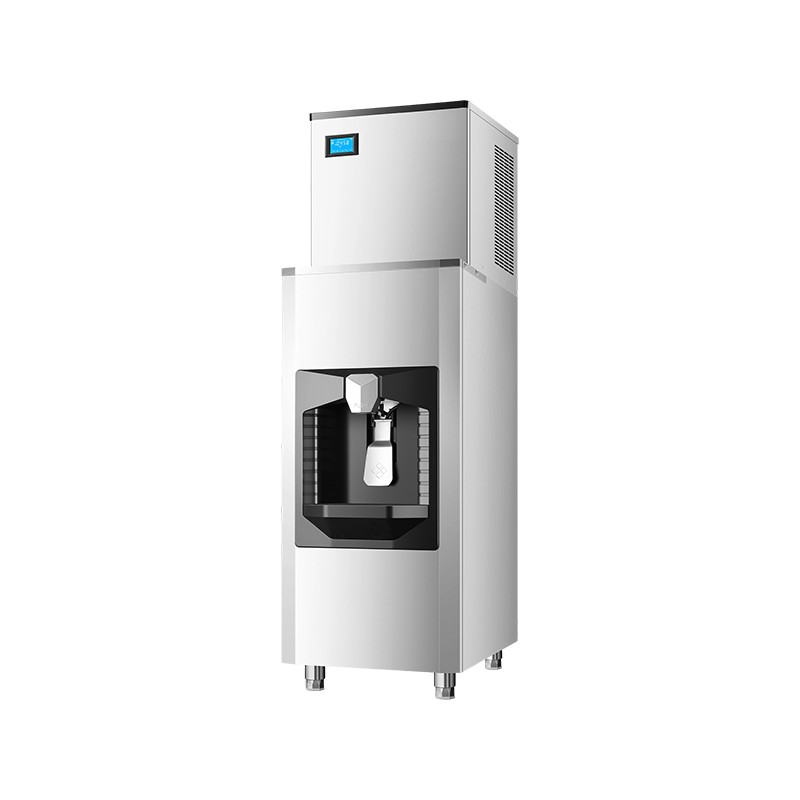
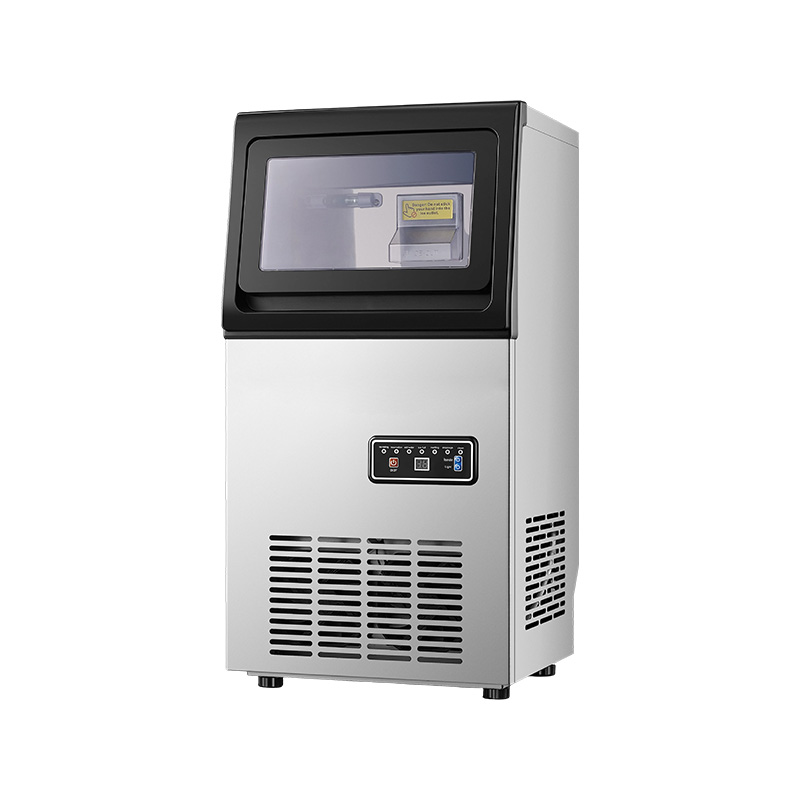
A nugget ice maker is a specialized appliance designed to produce small, soft, cylindrical ice pellets rather than the harder, cube shaped ice produced by traditional ice machines. This distinctive ice type is created through a process that compresses and forms crushed ice into small nuggets, resulting in a texture that is easy to chew, absorbs beverage flavors quickly, and cools drinks rapidly without diluting them too fast, a combination that has made it especially popular among healthcare facilities, smoothie and juice bars, and casual dining establishments.
The commercial designation indicates that the unit is built for high volume, continuous operation, typically producing significantly more ice per day than a residential model, along with more robust construction designed to withstand the demands of daily commercial use. Energy efficient and eco friendly models incorporate design features specifically aimed at reducing electricity consumption, minimizing water waste, and using environmentally responsible refrigerants, addressing both the operational costs and environmental footprint associated with continuous ice production.
How Nugget Ice Is Made
The nugget ice production process differs meaningfully from standard cube ice machines. Water is fed into a freezing cylinder or evaporator, where it partially freezes onto the interior surface. A rotating auger then scrapes this partially frozen ice from the cylinder wall, compressing it into small, soft nugget shapes as it moves toward the machine's storage bin. This compression process is what gives nugget ice its distinctive chewable texture, differentiating it from the harder, more solid ice produced through traditional cube freezing methods.
Because this process involves continuous water flow, auger rotation, and refrigeration cycling, the overall energy and water efficiency of the machine depends heavily on the quality of its compressor, insulation, and water management systems. High efficiency models are specifically engineered to optimize each of these components, reducing the energy and water required to produce a given volume of ice compared to older or lower efficiency designs.
Key insight: Nugget ice machines often use more water per pound of ice produced compared to standard cube machines, due to the compression process involved. This makes water efficiency engineering particularly important for nugget ice equipment specifically, rather than being a generic ice machine consideration.
Core Features That Define Energy Efficiency
High Efficiency Compressor Systems
The compressor is the primary energy consuming component in any ice machine. High efficiency models use advanced compressor technology designed to achieve required cooling performance while consuming significantly less electricity than standard compressor designs.
Improved Insulation
Better insulation around the freezing cylinder and storage bin reduces the amount of energy needed to maintain proper ice production and storage temperatures, particularly important in warmer kitchen environments where ambient heat can otherwise increase compressor workload.
Water Efficient Design
Advanced water filtration and recirculation systems reduce the total water consumption required per unit of ice produced, addressing one of the more water intensive aspects of nugget ice production specifically.
Environmentally Responsible Refrigerants
Many eco friendly models have transitioned away from older refrigerants with higher environmental impact toward alternatives with lower global warming potential, aligning with broader industry shifts toward more sustainable refrigeration technology.
Smart Production Controls
Programmable controls allow the machine to adjust ice production based on actual demand patterns, avoiding unnecessary energy consumption from continuous maximum production during periods of lower business activity.
Comparing Standard and High Efficiency Nugget Ice Machines
| Feature | Standard Model | Energy Efficient Model |
|---|---|---|
| Daily energy consumption | Higher, less optimized cycling | Lower, optimized compressor performance |
| Water usage per pound of ice | Higher, less efficient filtration | Lower, advanced water recirculation |
| Refrigerant type | Often older, higher impact refrigerants | Lower impact, environmentally responsible options |
| Production control | Fixed, continuous cycling | Demand based, programmable production |
| Long term operating cost | Higher due to energy and water use | Lower through efficiency gains over time |
While energy efficient models often carry a higher upfront purchase price, the long term reduction in utility costs, combined with often available energy efficiency incentives or rebates, frequently offsets this initial investment over the operational lifespan of the machine.
Why Nugget Ice Is Especially Popular in Healthcare and Hospitality Settings
Nugget ice has earned a particularly strong following in healthcare environments, where its soft, easily chewable texture makes it well suited for patients who may have difficulty consuming harder ice or who benefit from the gentle, soothing quality of chewable ice during recovery. This has made reliable, efficient nugget ice production a genuine priority for hospital food service and patient care operations, where consistent ice availability directly supports patient comfort.
In hospitality and food service settings, nugget ice has become a signature feature for many beverage focused businesses, valued for its ability to chill drinks quickly while allowing flavors to be absorbed more readily than with standard cube ice. This popularity has driven increased demand for commercial nugget ice machines across cafes, juice bars, casual dining restaurants, and specialty beverage establishments, making efficient, dependable production equipment an operational necessity rather than a luxury feature.
Installation and Operational Considerations
- Assess your facility's actual daily ice demand, considering peak usage periods, to select a machine with appropriate production capacity.
- Ensure adequate space and ventilation around the unit, since proper airflow supports both compressor efficiency and machine longevity.
- Verify water supply quality and consider additional filtration if local water conditions include high mineral content that could affect machine performance over time.
- Confirm electrical requirements align with your facility's existing infrastructure, particularly for higher capacity commercial units.
- Establish a regular cleaning and maintenance schedule from the outset, since consistent upkeep directly supports both efficiency and food safety compliance.
- Train staff on proper daily operation, including bin management and basic troubleshooting, to minimize unnecessary service calls and downtime.
Practical tip: Positioning the ice machine in a location with stable ambient temperature, away from direct heat sources such as ovens or direct sunlight through windows, can meaningfully improve compressor efficiency and reduce overall energy consumption during operation.
Maintenance Practices That Support Long Term Efficiency
- Clean and sanitize the ice machine regularly according to manufacturer guidelines, since mineral buildup and biological residue can significantly reduce both efficiency and ice quality over time.
- Replace water filters on the recommended schedule to maintain optimal water flow and prevent scale accumulation within internal components.
- Inspect and clean condenser coils periodically, since dust and debris buildup can force the compressor to work harder, increasing energy consumption unnecessarily.
- Monitor for unusual noises, reduced ice production, or inconsistent ice texture, which can indicate developing mechanical issues that should be addressed promptly.
- Schedule professional preventive maintenance visits to catch and address minor issues before they develop into costly repairs or premature equipment failure.
The Wellness Dimension of Efficient Commercial Ice Equipment
It may seem like an unexpected connection, but the reliability and efficiency of commercial kitchen equipment, including something as seemingly simple as an ice machine, genuinely affects the daily wellbeing of the staff who depend on it and, in healthcare settings, the comfort of patients who benefit from its output. Examining this connection reveals how thoughtful equipment choices ripple outward into broader patterns of workplace and patient wellness.
Reduced Operational Stress for Kitchen and Beverage Staff
Few things disrupt a busy service period like an ice machine failure during peak demand. Energy efficient models built with quality components and thoughtful engineering tend to offer greater long term reliability, reducing the frequency of unexpected breakdowns that can create significant stress for kitchen and beverage staff scrambling to manage service without adequate ice supply. This reliability supports a steadier, less reactive daily work rhythm.
Supporting Patient Comfort in Healthcare Settings
In hospital and care facility settings, a dependable nugget ice supply directly supports patient comfort, particularly for individuals recovering from procedures or managing conditions where chewable ice offers genuine physical relief. An efficient, reliable ice machine ensures this comfort measure remains consistently available, supporting patient wellbeing without the disruption of supply shortages during high demand periods.
Lower Cognitive Load Through Predictable Equipment Performance
When kitchen and beverage staff trust that their ice machine will perform consistently, they can direct their attention toward other aspects of service and food preparation rather than periodically checking or worrying about ice supply. This reduction in background monitoring and equipment related worry supports greater mental ease throughout demanding service periods.
Reduced Environmental Anxiety Among Sustainability Conscious Staff
Many hospitality and healthcare workers today carry genuine personal values around environmental responsibility, and working within a facility that has invested in eco friendly equipment can support a sense of alignment between personal values and workplace practices. This alignment has been associated with improved job satisfaction and reduced the specific form of stress sometimes called eco anxiety, related to concern over environmental impact in daily activities.
Physical Comfort Through Reduced Ambient Heat
Older, less efficient ice machines often generate more excess heat as a byproduct of inefficient compressor operation, contributing to warmer kitchen environments that can increase physical discomfort and fatigue for staff working nearby throughout long shifts. More efficient models tend to generate less excess heat, supporting a more comfortable working temperature in already demanding kitchen environments.
Wellness within a commercial kitchen or care facility is shaped by the cumulative reliability of many pieces of equipment working together. An efficient, dependable ice machine may seem like a small detail, but its consistent performance supports a calmer, more comfortable environment for both staff and the people they serve.
Common Mistakes to Avoid
Underestimating Actual Ice Demand
Selecting a machine with insufficient production capacity for genuine peak demand periods often leads to ice shortages during the busiest, most critical service times, creating unnecessary operational stress.
Neglecting Regular Cleaning and Filter Replacement
Skipping recommended maintenance schedules allows mineral buildup and biological residue to accumulate, reducing both efficiency and ice quality while increasing the risk of costly repairs over time.
Poor Placement and Ventilation
Installing the machine in a location with inadequate airflow or excessive ambient heat forces the compressor to work harder than necessary, increasing energy consumption and potentially shortening equipment lifespan.
Overlooking Water Quality Considerations
Failing to address hard water or high mineral content through appropriate filtration can accelerate scale buildup within the machine, reducing both efficiency and ice production quality over time.
Choosing Based on Purchase Price Alone
Selecting the lowest cost option without considering long term energy and water efficiency often results in higher cumulative operating costs that exceed the initial savings within a relatively short operational timeframe.
Choosing the Right Nugget Ice Machine for Your Business
Selecting an appropriate energy efficient, eco friendly commercial nugget ice maker depends on your specific operational needs. Consider the following questions before making a purchase decision:
- What is your facility's actual daily ice demand during both typical and peak business periods
- How important are specific energy efficiency certifications or ratings to your sustainability goals and operating budget
- What water quality conditions exist at your location, and does the machine include adequate filtration to address them
- How much space and what ventilation conditions are available for proper installation
- What maintenance resources and staff training are available to support consistent long term performance
Thoughtfully working through these considerations leads to a more strategic equipment investment, one that supports reliable daily operations, meaningful long term cost savings, and genuine environmental responsibility.
Frequently Asked Questions
Why does nugget ice typically use more water to produce than cube ice
The compression process involved in forming nugget ice from partially frozen ice shavings generally requires more water input relative to final ice output compared to standard cube freezing methods, making water efficient design particularly important for this specific ice type.
How much can an energy efficient model actually save on operating costs
Savings vary based on usage volume, local utility rates, and the specific efficiency improvements of the model chosen, though many businesses see meaningful reductions in both electricity and water costs over the machine's operational lifespan compared to standard models.
Are eco friendly refrigerants as effective as traditional options
Yes, modern environmentally responsible refrigerants are engineered to provide comparable cooling performance to older options while reducing overall environmental impact, making them a practical choice without sacrificing operational effectiveness.
How often should a commercial nugget ice machine be professionally serviced
Most manufacturers recommend professional preventive maintenance at least once or twice annually, though high volume operations may benefit from more frequent service visits to maintain optimal efficiency and performance.
Final Thoughts
An energy efficient, eco friendly commercial nugget ice maker offers far more than a simple appliance upgrade. It represents a thoughtful investment in reduced operating costs, genuine environmental responsibility, and the kind of dependable daily performance that supports smoother, less stressful operations for kitchen staff, beverage service teams, and healthcare workers alike. From reducing water and energy consumption to supporting patient comfort in care settings and easing the operational burden on busy service staff, the ripple effects of choosing efficient, reliable ice production equipment extend well beyond the machine itself. As businesses continue balancing operational demands with sustainability goals, a well chosen nugget ice maker stands as a practical example of how thoughtful equipment decisions can support both environmental responsibility and the everyday wellbeing of the people who keep these operations running smoothly.