
 English
 中文简体
 عربى

Home / News / Industry News / Ice Making Machines: How to Choose the Right Commercial Ice Maker for Your Business
Content
Walk into any busy cafe, bar, or restaurant, and you will hear the quiet hum of an ice maker before you notice anything else. Ice shapes the look of a drink, the freshness of seafood, and how fast a line moves on a hot afternoon. Choosing the right ice making machine, however, is not as simple as picking the biggest one you can fit under a counter. We have spent years manufacturing commercial ice makers in Ningbo, and we have watched operators struggle with machines that are too small, too loud, or too slow for the ice shape they really needed. This guide is built from that experience, with a focus on the decisions that actually matter.
Start With the Ice Type You Need
Before you think about capacity, decide which ice shape your customers and kitchen actually need. In commercial ice making machines, the ice shape is determined by the design of the evaporator and the harvest cycle, so you cannot switch from cube to nugget later without changing the whole machine. The four categories we see most often in real orders are cube ice, nugget ice, flake ice, and gourmet cube ice.
Cube ice is the familiar solid ice used in drink glasses, cocktail shakers, and catering trays. It melts slowly, which makes it popular in bars and restaurants. Nugget ice is soft, porous, and easy to chew, which is why you see it in fast-food restaurants, convenience stores, and healthcare facilities. Flake ice is soft and moist, and it is commonly used for displaying fish, keeping salad bars cold, and packing produce. Gourmet cube ice is a larger, slower-melting cube often served with whiskey, high-end sodas, or premium cocktails.
| Ice Type | Best For | Melting Speed | Common Output |
|---|---|---|---|
| Cube | Drinks, bartending, catering | Slow | 25-380 kg/day |
| Nugget | Fast food, cafes, healthcare | Fast | 25-60 kg/day |
| Flake | Seafood, produce displays | Very fast | 30-50 kg/day typically |
| Gourmet cube | Premium spirits, upscale service | Medium | 15-50 kg/day |
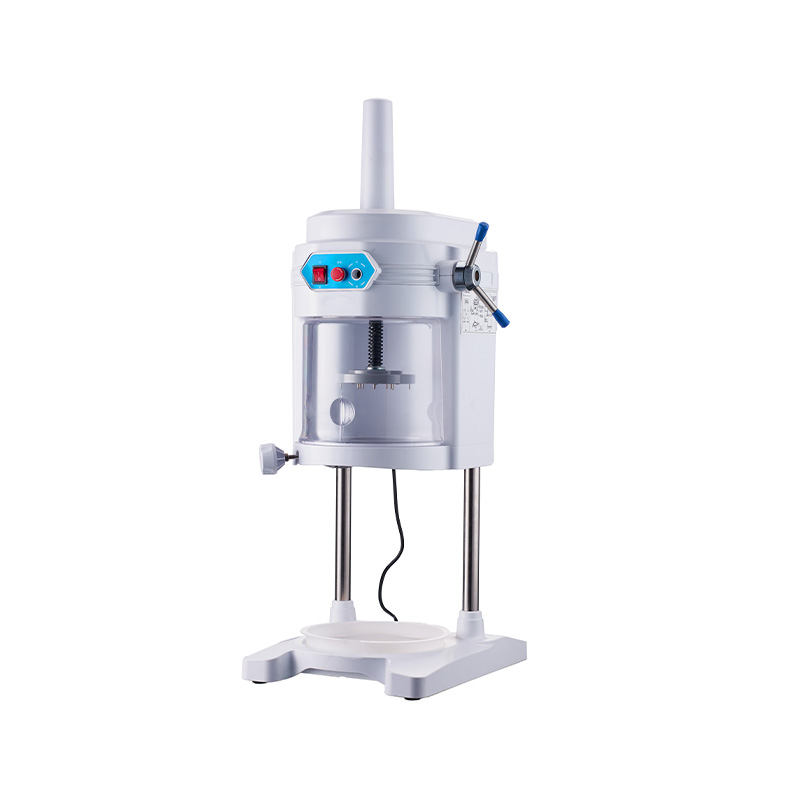
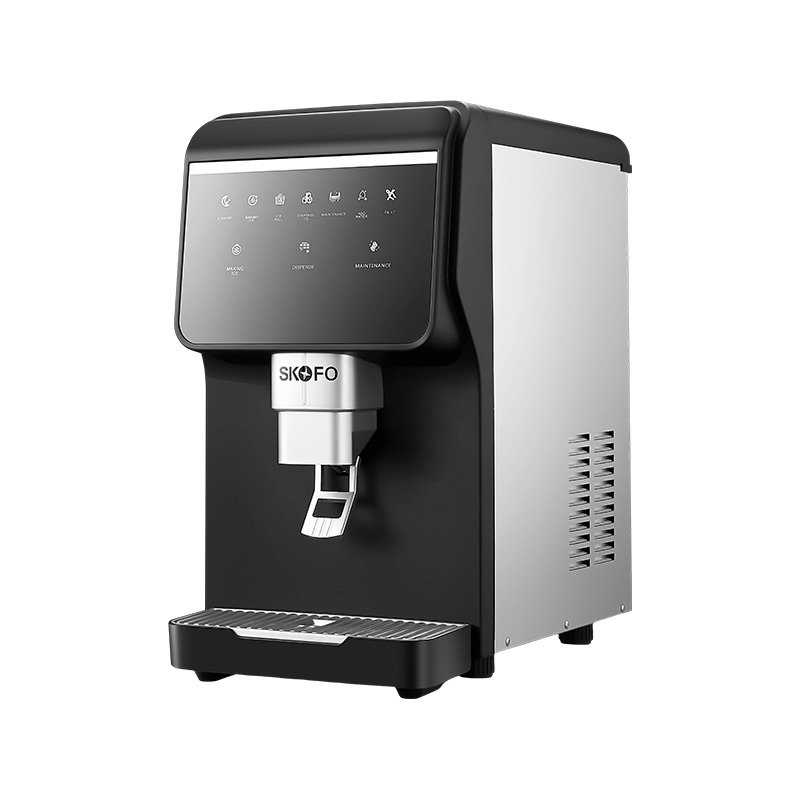
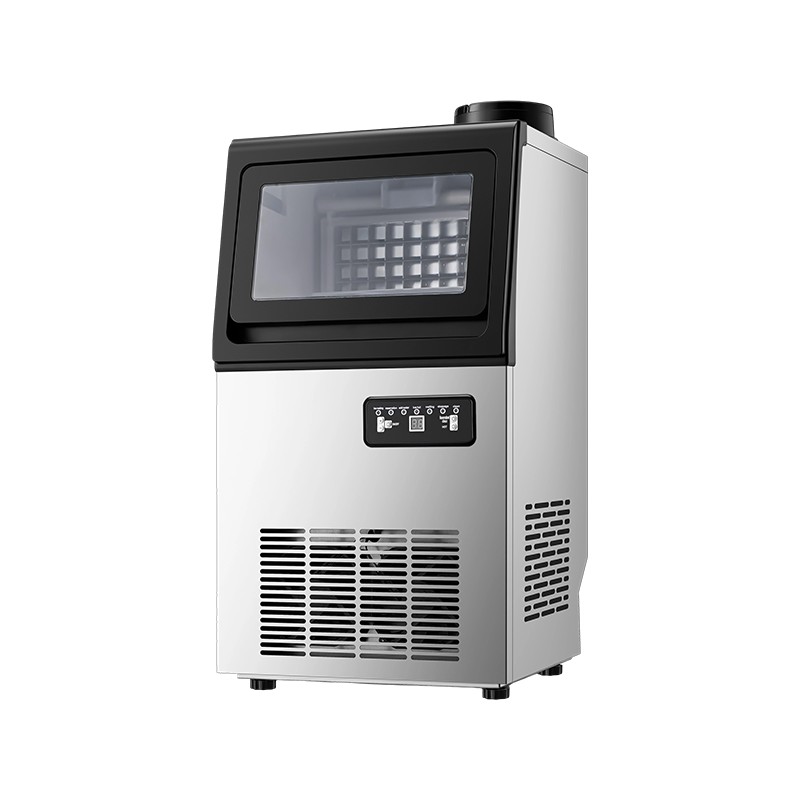
If your menu depends on chewable ice, a nugget machine is worth the extra attention. Nugget ice makers use a different production system than regular cube machines, and they tend to be more popular in beverage-forward concepts. A vertical automatic model keeps the ice bin visible, gives you preset programs, and fits under a standard counter. That makes it a practical option for cafes, coffee kiosks, and self-serve drink stations.
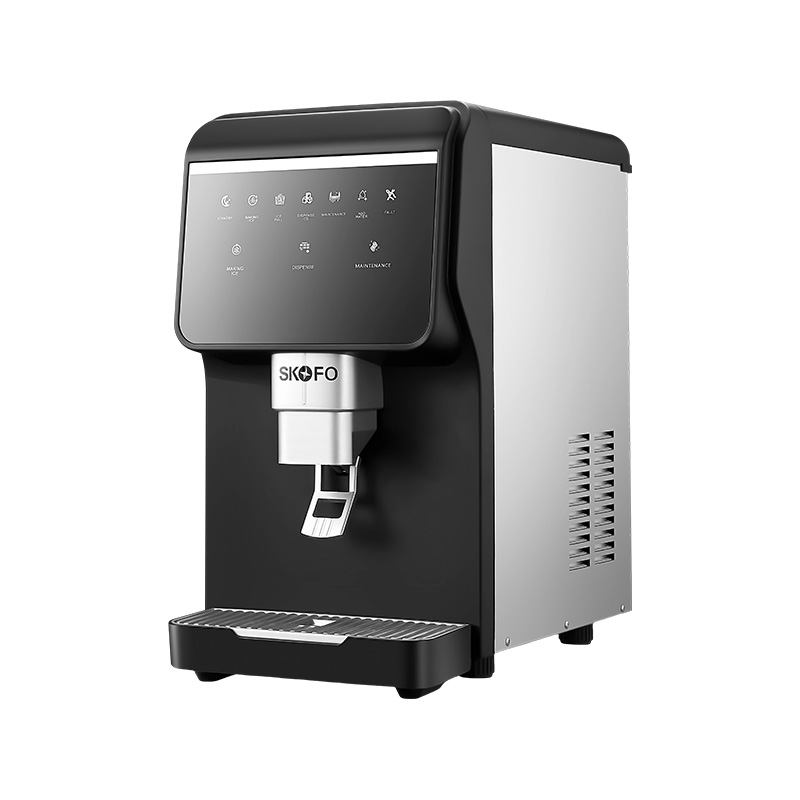 Nugget Ice Maker with 30 kg Daily Output and Touchpad ControlsThis vertical automatic nugget ice machine suits cafes and self-serve stations seeking chewable ice. Its visible bin, preset programs, and compact design fit under counters.View Product →
Match Daily Output to Your Workflow
Once you have settled on the ice type, the next number to understand is daily production. Commercial ice making machines are rated by the amount of ice they produce in 24 hours, usually expressed in kilograms. The rating assumes the machine runs continuously under standard room temperature and water temperature. In real life, door openings, hot kitchens, and peak demand all affect real output.
For a small coffee stand or bubble tea counter, 25-40 kg per day is often enough. A mid-size restaurant with a bar may need 80-120 kg per day, especially if it serves iced tea, soft drinks, or blended drinks. Large kitchens, hotels, or central kitchens that supply several outlets often look at 150 kg and above, and sometimes choose two smaller machines instead of one large one for backup reliability.
| Business Type | Recommended Output | Storage Consideration |
|---|---|---|
| Cafe / juice bar | 25-60 kg/24h | Small countertop or undercounter bin |
| Restaurant / pizzeria | 80-160 kg/24h | Larger bin or split units |
| Hotel / high-volume kitchen | 160-380 kg/24h | Remote condenser or multiple units |
Many operators forget that daily output is not the same as bin storage capacity. A machine can make 80 kg per day, but if the bin only holds 20 kg, your staff will have to transfer ice during peak service. Match the bin capacity to your expected rush, and you will avoid those frustrating moments when the drinks are ready but the ice is not.
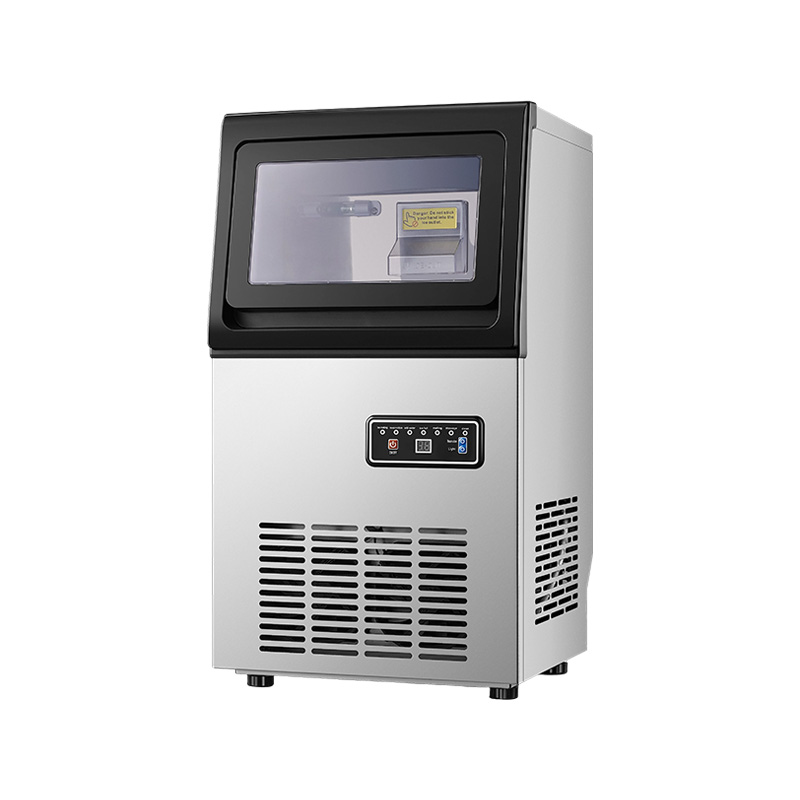
In practice, a compact 36 kg-per-day machine can carry a single beverage station through a normal shift. It is small enough to sit on a countertop, yet fast enough to keep up with continuous orders. This is why automatic countertop cube ice makers are so common in bubble tea and juice shops.
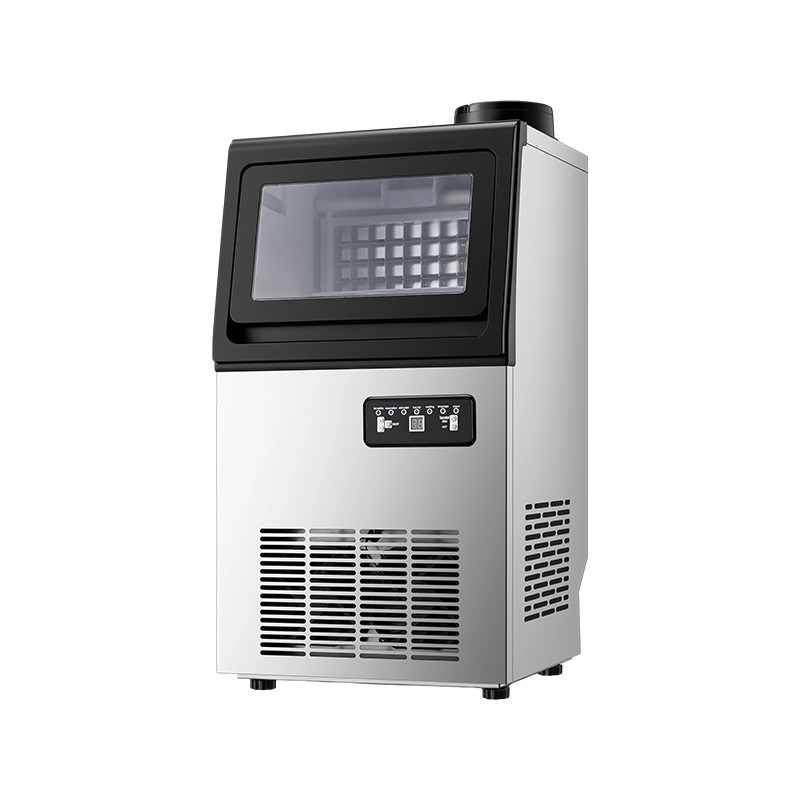 Compact Countertop Cube Ice Maker for Small Beverage ShopsThis 36 kg-per-day automatic countertop unit supports a single drink station through a shift. Features include foaming insulation, adjustable cube thickness, and easy cleaning.View Product →
Integrated, Split, or Undercounter?
Installation style affects how the machine fits into your floor plan and how easy it is to service. Integrated ice makers are designed to fit into a cabinet or under a counter with the storage bin attached. They are convenient when you want a clean, built-in look. Split cube ice machines separate the ice-making head from the condensing unit, which gives you more freedom in exhaust heat and noise placement. Undercounter models are essentially compact integrated machines that fit under a bar or service counter.
If you are upgrading a beverage station, think about where the water line and drain will go. An integrated machine needs proper airflow around the cabinet, so you cannot simply box it in with no ventilation. Split systems are slightly more flexible because the condenser can go in a more open area.
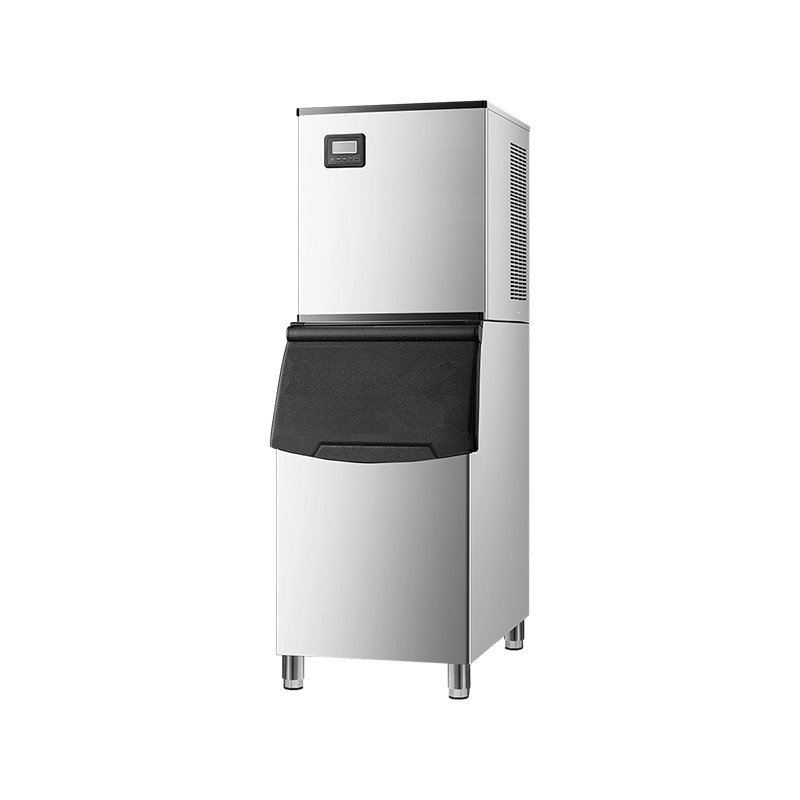
For beverage shops and small restaurants that need higher output without taking up the serving counter, a split machine in the 160 kg range is a practical sweet spot. It combines the larger bin capacity of a freestanding unit with the quieter operation of a remote condenser.
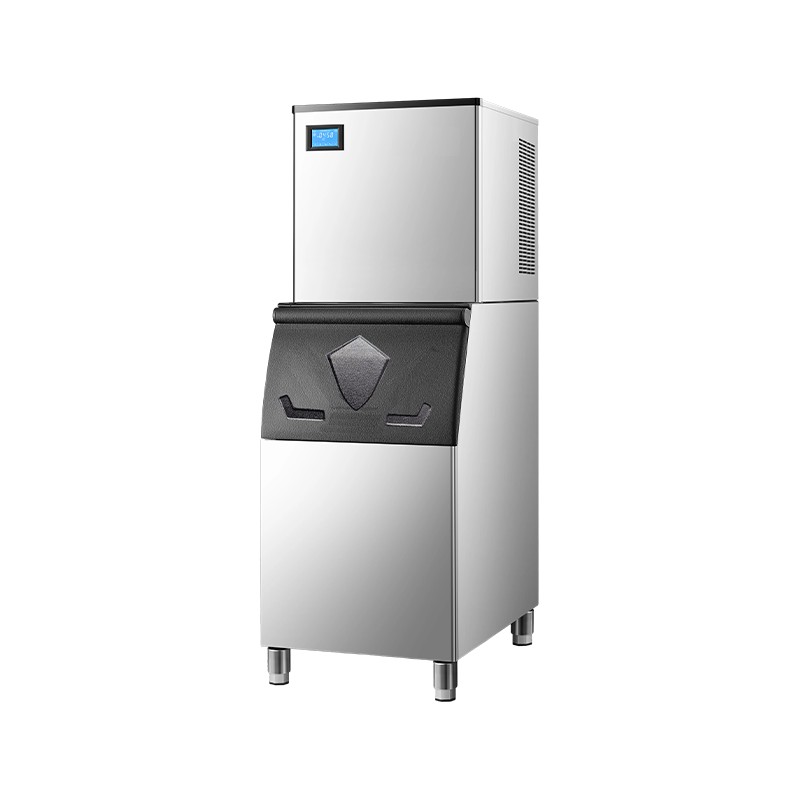 Split Cube Ice Machine with 160 kg Capacity for High-Volume NeedsDesigned for beverage shops, this split unit offers a larger bin and quieter remote condenser. It provides strong daily output with durable stainless steel and R290 refrigerant.View Product →
Features That Protect Your Investment
Stainless steel and food safety
The ice you serve touches the same surfaces that handle water, condensation, and humidity. Food-grade 304 stainless steel resists corrosion and is far easier to sanitize than plastic. Some budget machines use painted steel or thin stainless; over a few years, that usually leads to rust around the water tray.
Refrigerant and efficiency
R290 appears more and more in commercial ice machines, and for good reason. It has a low global warming potential and efficient heat transfer. If you are comparing models, check the refrigerant type and the energy consumption, not just the price. A slightly more efficient machine will often pay for itself in electricity savings.
Controls and maintenance
Simple, programmable controls reduce training time. Touchpad presets let your team adjust ice thickness and cycle times with a few taps. Water filters, removable air filters, and stainless steel ice scoops also make daily cleaning less of a chore. Machines that are easy to clean are machines that actually stay clean.
Here is a short checklist for comparing models:
- Confirm the ice type matches your menu.
- Check that the daily output is at least 20 percent above your estimated peak need.
- Look for automatic water refill and easy drain access.
- Ask about the refrigerant, especially R290 availability.
- Choose CE-certified models and keep spare parts in mind.
A Simple Selection Framework
If you are still uncertain, use this framework. First, define the ice type: cube, nugget, flake, or gourmet cube. Second, estimate the peak demand on your busiest day, not the average. Third, choose the installation style that fits your actual floor plan. Fourth, compare quality signals such as stainless steel grade, refrigerant, and warranty. Finally, set a budget that includes not only the machine but also installation, water line work, and preventive maintenance.
When two capacities are close, we generally advise going up a size. A machine that runs at full load all day will have a shorter lifespan and less efficient ice production. Additional headroom also gives you a buffer during hot weather or promotional menus. If you want to walk through the numbers with more detail, our commercial ice maker selection guide covers output and cooling differences in depth.
Bringing It All Together
Choosing ice making machines does not have to be stressful. When you start with the ice shape, match the daily output to your peak hours, and pick an installation style that suits your space, the rest becomes much easier. We have spent years building ice machines for beverage shops, restaurants, hotels, and food-service operators, and the same principle applies across every application: the right machine is the one that fits your routine, not just your budget.
If you are ready to compare models, you can browse our full range of ice machine products and see which one lines up with your operation. And if you have a question that is not covered in this article, reach out to a factory team that can talk through your specific layout and demand.