
 English
 中文简体
 عربى

Home / News / Industry News / Nugget Ice vs Pellet Ice: Are They the Same? A Commercial Buyer's Guide
Content
Every week, someone asks us the same question—at trade shows, over email, or while comparing specs online: is nugget ice the same as pellet ice? It is a fair question, because both names appear on menus, spec sheets, and machine brochures. For most commercial settings, the short answer is yes: nugget ice and pellet ice are the same type of ice. The longer answer explains how this ice is made, why it behaves differently from cubes, and what you should consider before buying a machine. After nearly two decades of building commercial ice makers, we can walk you through it from a manufacturer’s perspective.
What Is Nugget Ice?
Nugget ice is small, soft, and slightly compressed. It is sometimes called pebble ice, chewable ice, or simply “the good ice” because of its pleasant texture. Instead of forming a solid cube, a nugget ice machine scrapes thin layers of ice from a refrigerated cylinder and compresses them under pressure. The result is a porous, bite-sized nugget that absorbs the flavor of whatever is poured over it.
This texture makes nugget ice popular in iced coffee, soft drinks, smoothies, and cocktails. It cools the drink quickly but does not melt as fast as crushed ice, so beverages stay flavorful longer. It also gives a satisfying chew that many customers love—one of the reasons it has become a signature option in modern cafés and quick-service restaurants.
What Is Pellet Ice?
Pellet ice is not a completely different ice pattern in most commercial ice machines. In fact, the term is often used interchangeably with nugget ice. Some manufacturers label the same product “pellet ice” because “pellet” sounds more descriptive in certain markets, especially for ice-and-water dispensers or countertop machines.
There is one nuance to keep in mind. In some contexts, “pellet” can describe small, dense, cylindrical pieces of ice made by a different process. Those are closer to bullet ice or hard cylinder ice. But in the food service industry, when you see a “pellet ice maker,” it is almost always producing the same soft, chewable nugget-style ice. If you are comparing “nugget ice vs pellet ice” for a café, bar, or restaurant, you are essentially comparing the same product with different names.
Nugget Ice vs Pellet Ice: Side-by-Side
To make the comparison easier, here is a simple breakdown of how nugget ice and pellet ice usually line up in commercial equipment.
| Point of Comparison | Nugget Ice | Pellet Ice |
|---|---|---|
| Common name | Pebble ice, chewable ice, “the good ice” | Often used as another name for nugget ice |
| Texture | Soft, porous, and biteable | Same soft, porous texture in typical commercial units |
| Melting behavior | Melts slower than crushed ice, keeps drinks cold | Matches nugget ice performance |
| Best uses | Iced coffee, soft drinks, cocktails, smoothies | Same beverage applications |
| Machine style | Nugget ice maker using auger compression | Usually the same machine labeled as a pellet unit |
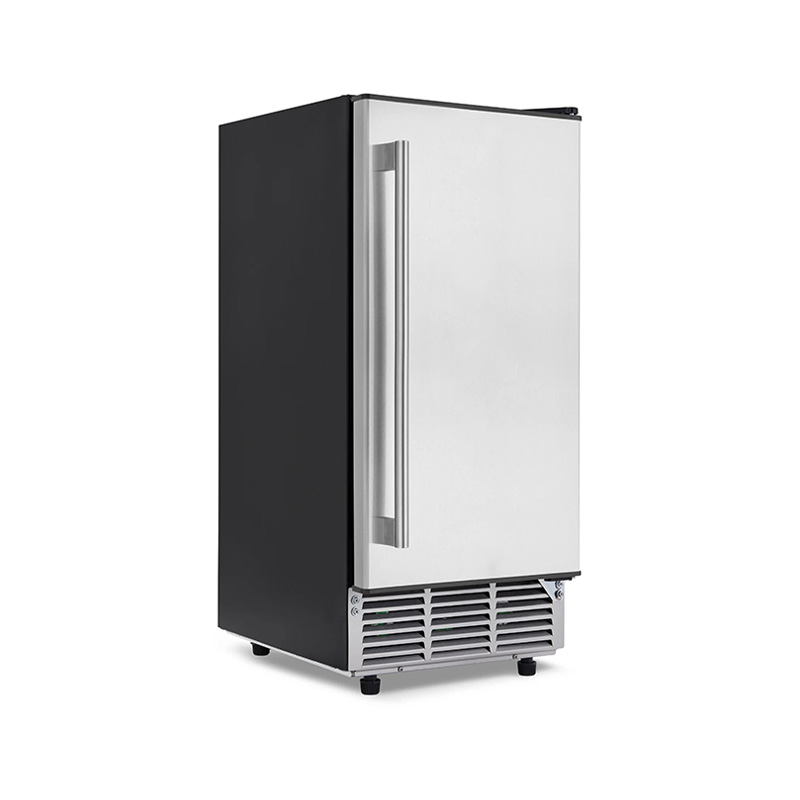
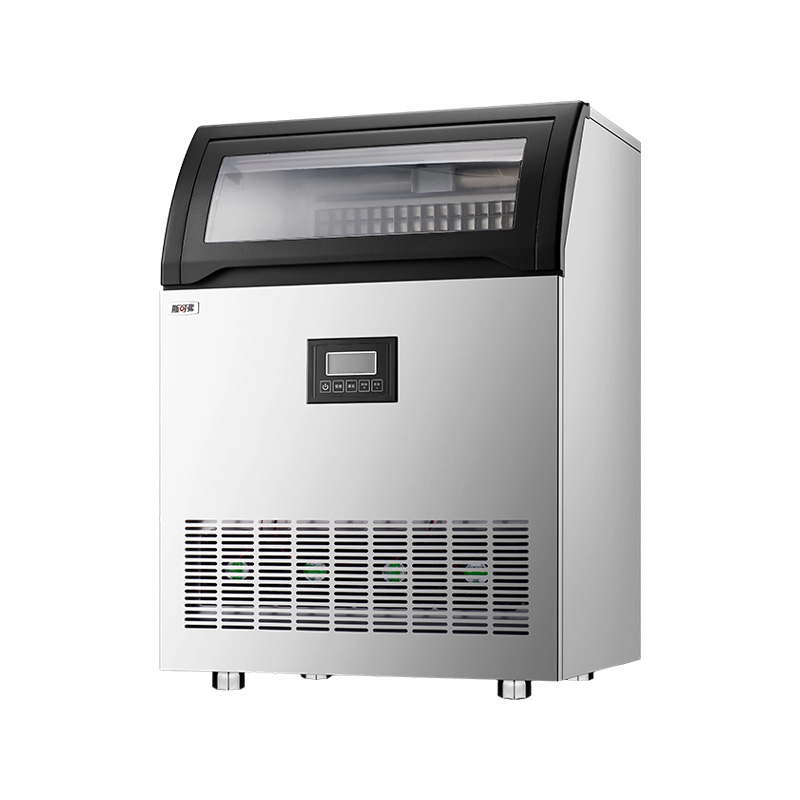
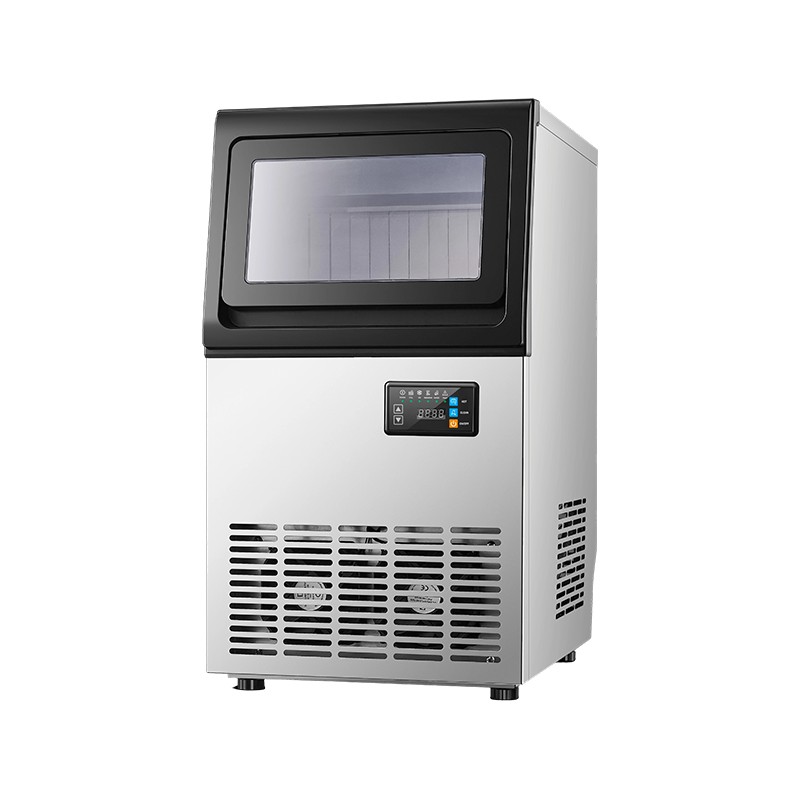
 SKF-S25J Compact Nugget Ice Maker for Small Commercial UseThis 25kg/24h countertop nugget ice machine offers R290 refrigerant, self-cleaning, and 304 stainless steel—ideal for compact cafés and bars.View Product →
How Commercial Nugget and Pellet Ice Machines Work
In our factory, we build nugget ice machines that use a continuous process. Water flows into a freezing chamber, and a slow-turning auger scrapes the ice off the evaporator surface. The auger then pushes the ice through a forming head, compressing it into the familiar nugget shape without adding a lot of heat. Because the process is continuous, the machine can produce ice around the clock during peak service hours.
One thing we have learned over the years is that ice quality depends as much on the forming head as on the compressor. The auger speed must be calibrated so the nuggets come out firm but still easy to bite. If the pressure is too high, the ice becomes hard; if it is too low, the nuggets crumble before they reach the glass.
Capacity is usually measured in kilograms per 24 hours. Our nugget ice machine lineup starts at 25 kilograms per day and goes up to 60 kilograms per day. For smaller cafés and bars, a compact R290 model with a stainless steel evaporator can keep a countertop operation running smoothly. For larger drinks programs, machines with bigger storage bins and ice-and-water dispenser options work better.
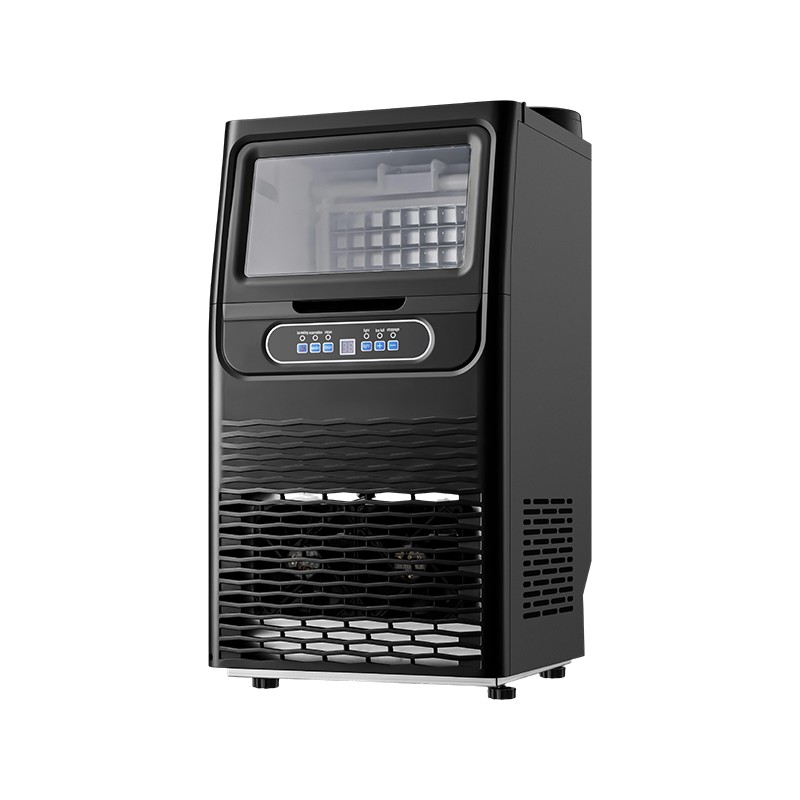
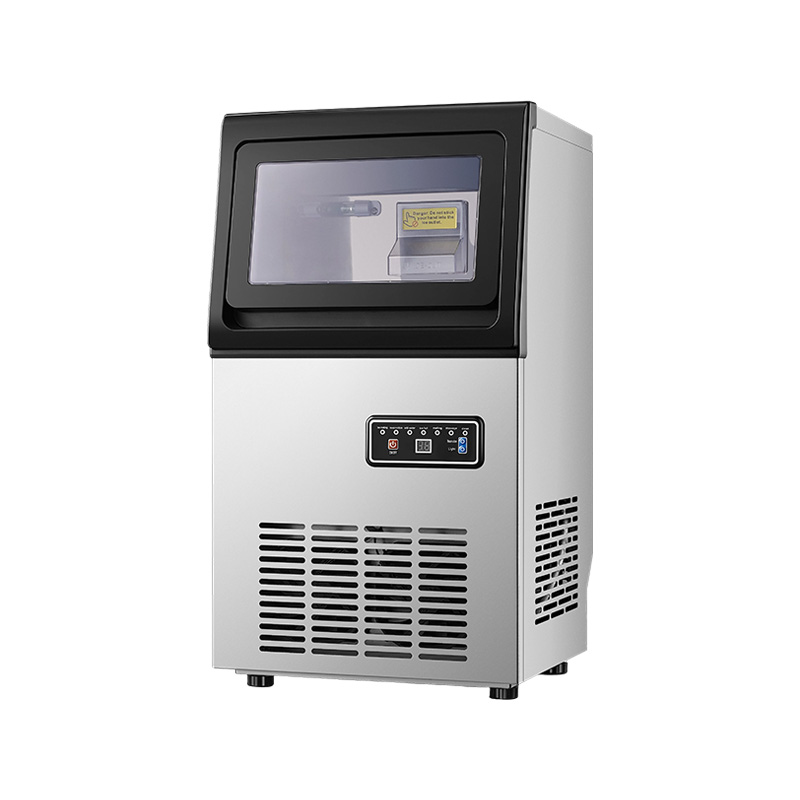 SKF-ATS30J Tabletop Nugget Ice Machine with Higher OutputA 30kg/24h tabletop model with touch controls and self-cleaning, suited for light-commercial settings seeking a bit more capacity.View Product →
What to Look for in a Nugget or Pellet Ice Machine
Because nugget and pellet ice are effectively the same, your real decision is about machine quality and fit. Choose a machine that will hold up to busy service, keep cleaning simple, and produce consistent ice. Here are the points we ask every customer to consider.
- Output: Match the daily capacity to your peak business. A low-volume café can work with 25 kg/day, while a busy beverage shop may need 60 kg/day.
- Build quality: Look for food-grade surfaces such as 304 stainless steel in the ice-making zone, especially for door panels and storage bins.
- Refrigerant: Modern machines often use R290, a more environmentally friendly refrigerant with good efficiency.
- Size and installation: Table-top models are easy to place on a counter; vertical models with ice-and-water dispense fit better behind a service counter.
- Maintenance: Removable parts, clear cleaning paths, and simple controls reduce daily workload for your team.
If you want to dig deeper into capacities and cooling choices, our commercial ice maker selection guide covers the full process in more detail.
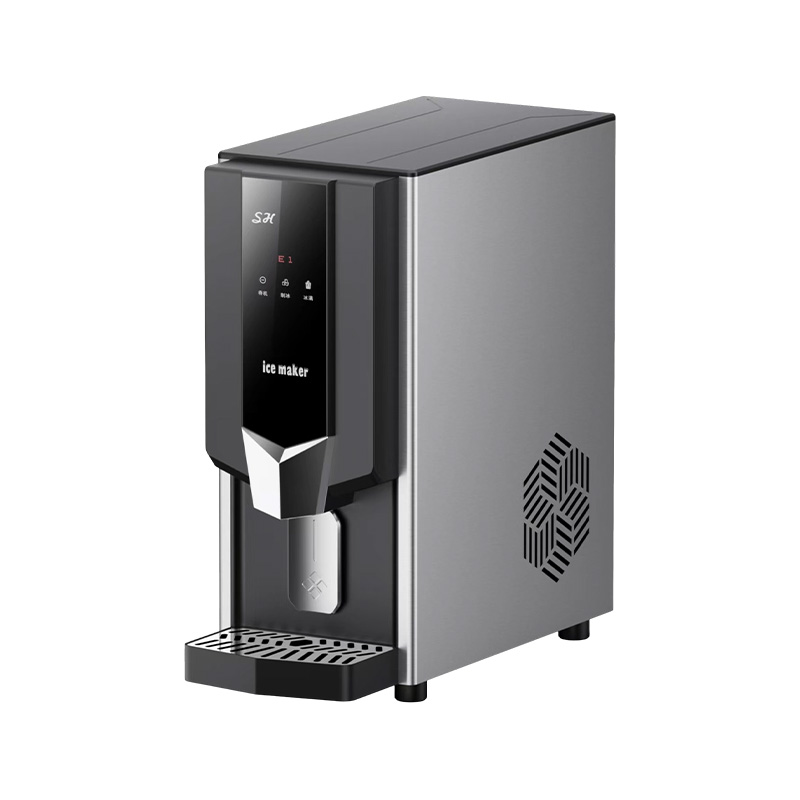
 SKF-SDT60JW Vertical Ice and Water Dispenser for High VolumeThis 60kg/24h vertical unit combines ice and water service, making it a practical choice for restaurants and self-service stations.View Product →
Which Should You Choose?
If you are comparing nugget ice vs pellet ice, the ice itself should not be the deciding factor. Instead, choose the machine that fits your service style. A bar or coffee truck may love a small countertop nugget machine because it does not take up much space and can sit right next to the espresso station. A restaurant or drive-thru with high volume should invest in a larger vertical unit with higher output and an ice-and-water dispenser for self-service customers.
There is also a reason this style of ice has become so popular in modern food service. When ice is the last thing that touches a drink, it has an outsized effect on texture and temperature. That is why we spend so much time on the auger speed, the storage environment, and the overall consistency of our machines. You will notice the difference in the first glass.
Final Thoughts
So, is there a difference between nugget ice and pellet ice? In most cases, no. They are two names for the same soft, chewable ice that has become a customer favorite in cafés, restaurants, and bars. The more meaningful choice is the machine: capacity, size, refrigerant, cleaning access, and build quality all matter. If you are planning a new beverage program or upgrading existing equipment, start by thinking about how much ice you need at peak hours and where the machine will go. The rest is easier once you understand how the ice is made.