
 English
 中文简体
 عربى

Home / News / Industry News / Ice Machine Business Guide: How to Pick the Right Equipment and Ice Type
Content
Ask ten operators what an ice machine business looks like and you will get ten different answers. One runs a self-service vending route. Another delivers bagged cubes to convenience stores and caterers. A third sells mango bingsu from a twelve-seat dessert bar. A fourth simply wants the drinks station in a busy restaurant to stop running dry on Saturday night.
Different businesses, same underlying question: which ice, how much of it, and how quickly can the machine make it? We have been building ice machines since 2007 - our factory in Ningbo began life as Beiying Electric - and the questions that reach us are almost never about machines first. They are about demand. This guide follows the order in which demand turns into an equipment decision.
What an Ice Machine Business Can Look Like
Before comparing specifications, name the model you are actually building. Most ice-related businesses fall into one of four shapes, and each pulls the equipment in a different direction.
- Ice vending and self-service. A machine or kiosk sells bagged ice to passing traffic. Location does most of the work, so the unit has to run unattended, handle weather, and dispense a consistent bag weight.
- Bagged ice supply and delivery. You produce and pack ice for shops, events, bars and caterers. Volume beats appearance, so output capacity and cold storage carry the investment.
- Beverage and dessert retail. Shaved ice, smoothies, iced coffee, cocktails. The ice is part of the product, so texture and clarity matter as much as cost per kilogram.
- Ice as support, not product. Restaurants, hotels, bars and catering kitchens that need a dependable supply behind the counter. Reliability and cleaning time outweigh a big headline number.
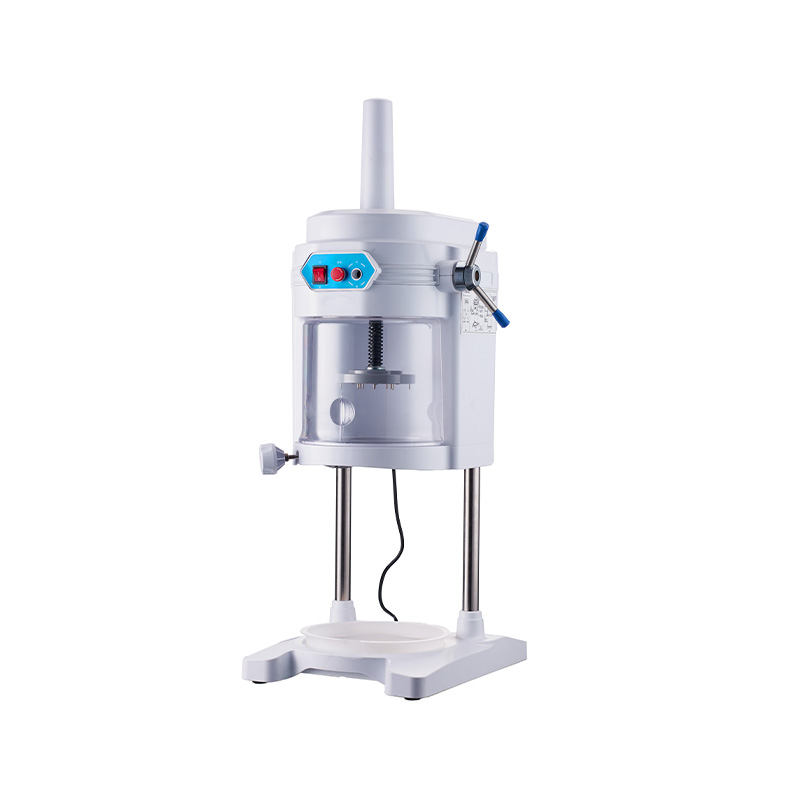
Retail dessert and drink formats are where ice processing equipment earns its keep, and that is a different purchase from buying an ice maker. Our ice shaver range exists for exactly that reason: a fluffy snow ice machine and a hard-cube breaker are not interchangeable, and choosing wrong shows up in every bowl you serve.
Pick the Ice Type Before You Pick the Machine
Ice is not a commodity to your customers, even when it feels like one on the invoice. A cocktail bar built around clear, slow-melting cubes will not accept cloudy dice; a cafe selling chewable ice sells the texture as a feature. Work backwards from the drink, then choose the equipment.
| Ice type | Where it earns money | Typical planned output |
|---|---|---|
| Cube ice | Bars, restaurants, soft drinks and mixed drinks | 25-130 kg/24h for counters; 135-380 kg/24h for heavy use |
| Nugget ice | Coffee shops, drive-thru, chewable-ice fans | 25-60 kg/24h |
| Gourmet cube | Whiskey bars, hotel minibars, premium serves | 15-50 kg/24h |
| Flake ice | Seafood display, produce, cold chain | From 30 kg/24h upward |
| Crushed and snow ice | Bingsu, cocktails, dessert plating | Measured in kg/h, roughly 65-300 kg/h |
| Ice and water dispense | Self-service counters, offices, canteens | 40-60 kg/24h |
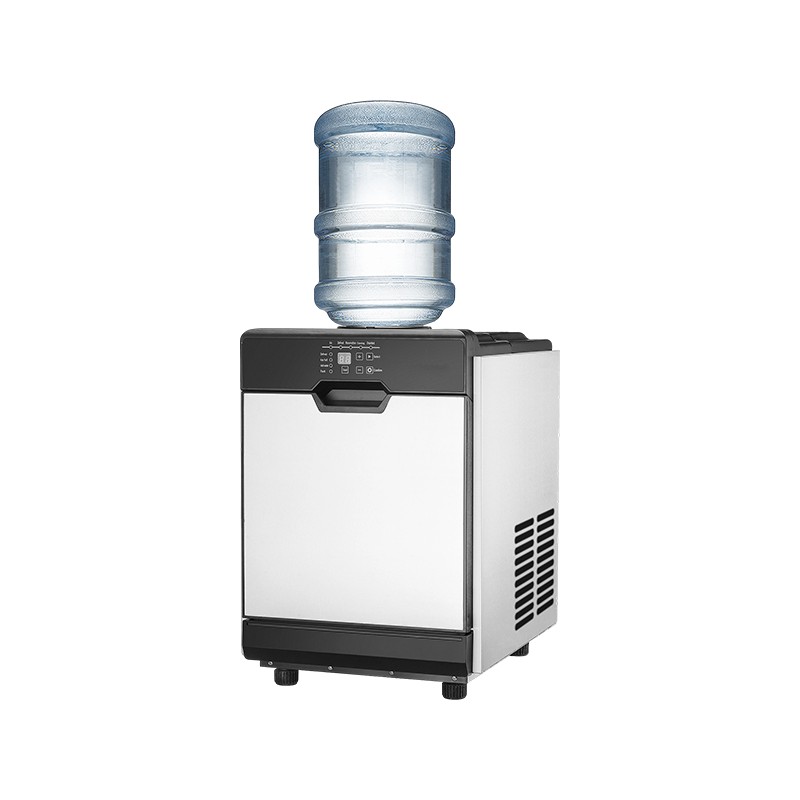
Read that table as a filter, not a specification. If your format is a coffee counter that wants chewable ice and drinking water from one footprint, a 60 kg/24h dispenser-style nugget unit is a sensible reference point:
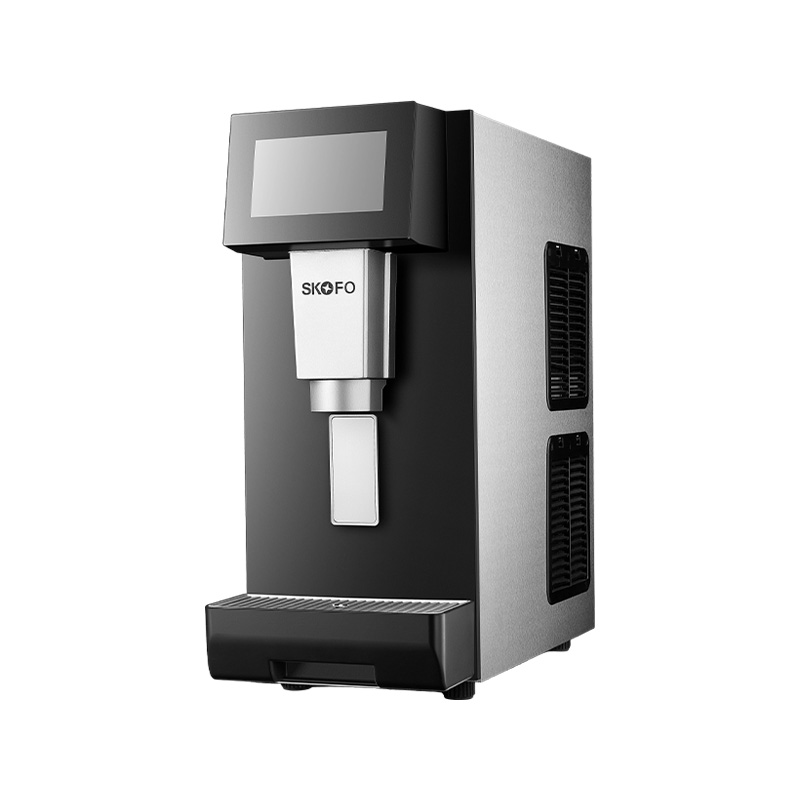
 SKF-SDT60JW Countertop Ice and Water DispenserA 60 kg/24h countertop dispenser producing chewable nugget ice and water, suited to coffee counters needing both from one footprint.View Product →
Sizing Output for Real Peak Demand
Every rating on a specification sheet is measured under standard test conditions. A machine rated at 90 kg/24h will not reach that figure in a hot kitchen with warm inlet water during a lunch rush. Two numbers decide whether you have enough ice:
- Peak-hour demand. Count the busiest sixty minutes, not the average day. A venue that uses 40 kg across a service may need a third of it in twenty minutes.
- Storage capacity. The bin is a buffer, not production. Holding roughly one and a half times peak-hour demand keeps you covered between cycles.
As a working rule, size production at about 60 to 70 percent of nameplate when the machine sits in a hot, busy space, and check clearance around the vents before delivery day. Ice machines lose output to heat and dust far more often than to hard use.
For a mid-sized counter that needs steady automatic output without a large footprint, this 58 kg/24h cube machine is close to the capacity we build most often:
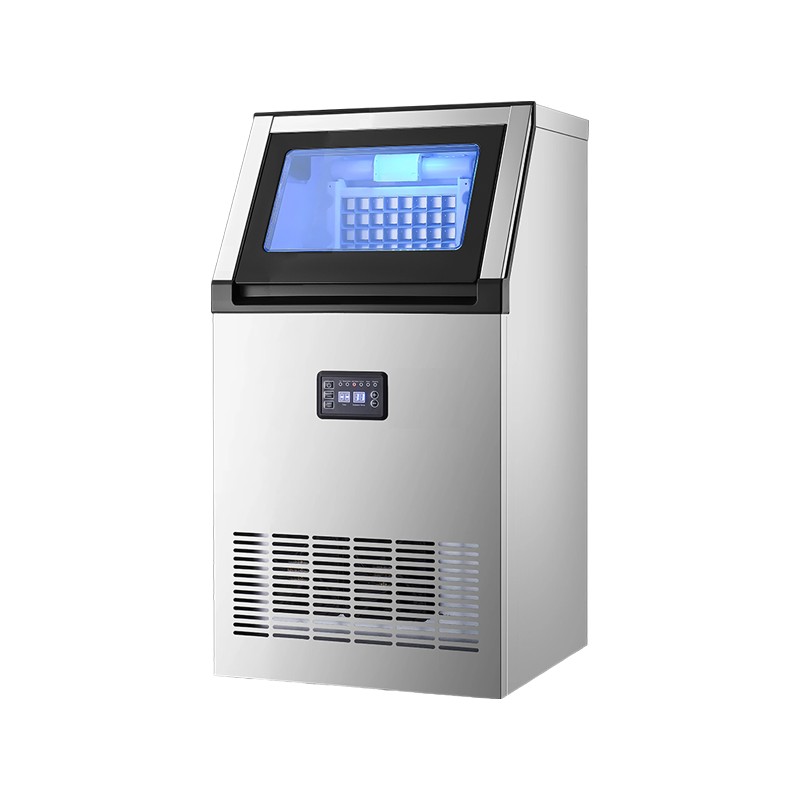
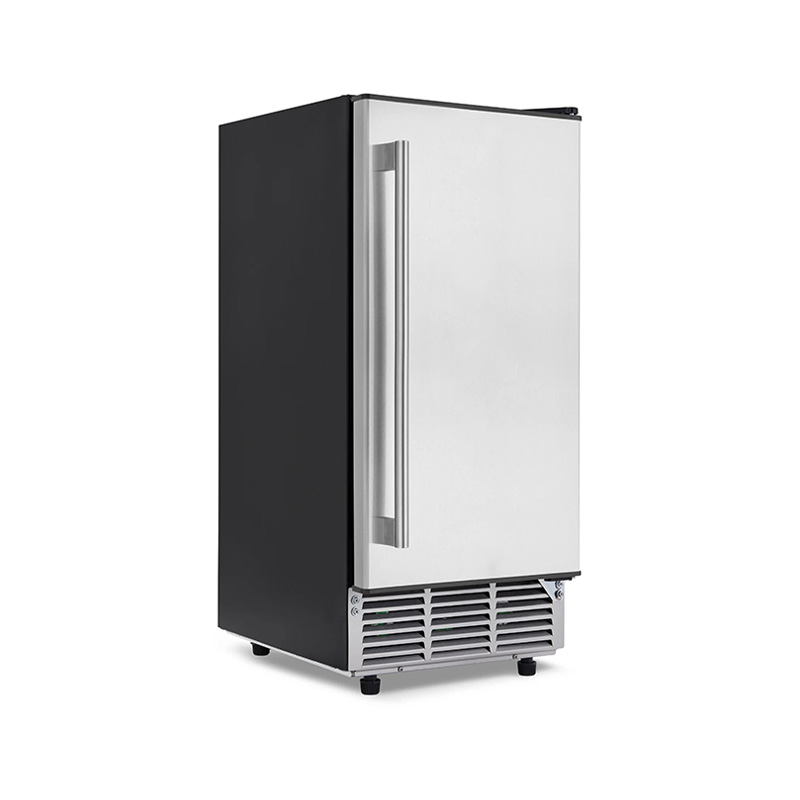 SKF-D130F Intelligent Cube Ice MachineA 58 kg/24h cube ice machine for mid-sized counters, with insulation and adjustable cube thickness for steady automatic output.View Product →
The Costs Nobody Budgets For
The purchase price is the smallest honest number in the whole project. What decides whether the business works is the cost per kilogram of ice over three or four years.
- Water filtration. Cartridges cost little and protect everything else. Scale is the most common reason a machine quietly loses output.
- Electricity and water. Air-cooled units are easier to install; water-cooled units run quieter in tight spaces. Compare both against your real utility rates.
- Cleaning labour. Twenty minutes a week is normal. If nobody owns that task, the ice will taste of the bin within a month.
- Service and downtime. One out-of-warranty visit often costs more than a year of filters, and a failed machine in August is a lost week of sales.
- Installation reality. Drainage, ventilation clearance and floor space are easy to overlook until the crew is standing in the doorway.
If You Are Selling Ice by the Bag
Vending and delivery businesses ask more of a machine than a bar does. The unit may run around the clock, the bin fills and empties in bursts, and the operator is often not on site. Look for a genuine continuous-duty rating, a large insulated bin, and parts that can be swapped without dismantling the cabinet.
When demand is steady and measured in hundreds of kilograms, a split-type machine with a separate condensing unit keeps noise away from the service area and makes servicing simpler:
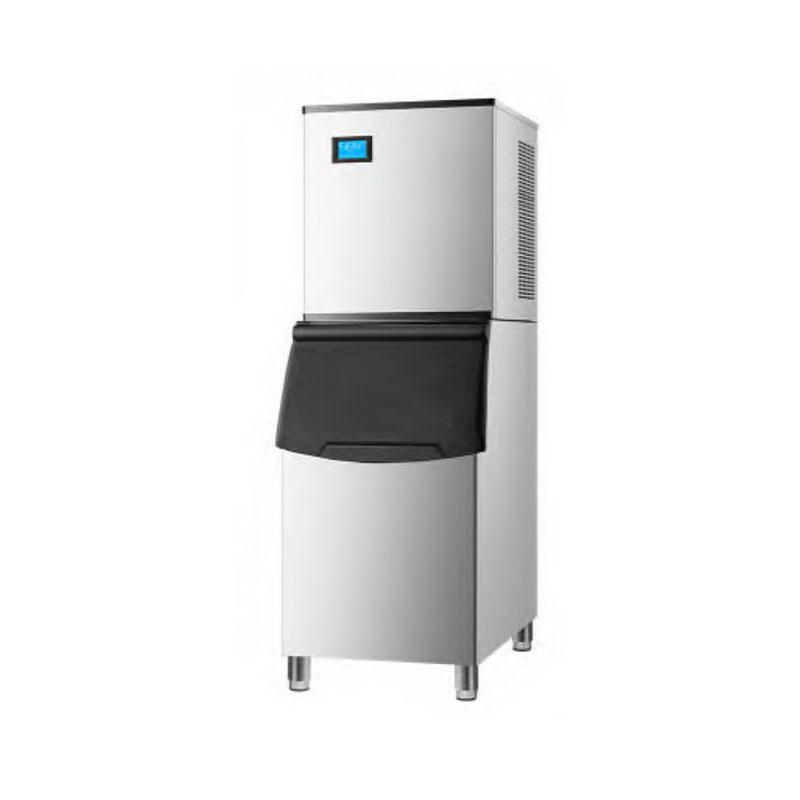
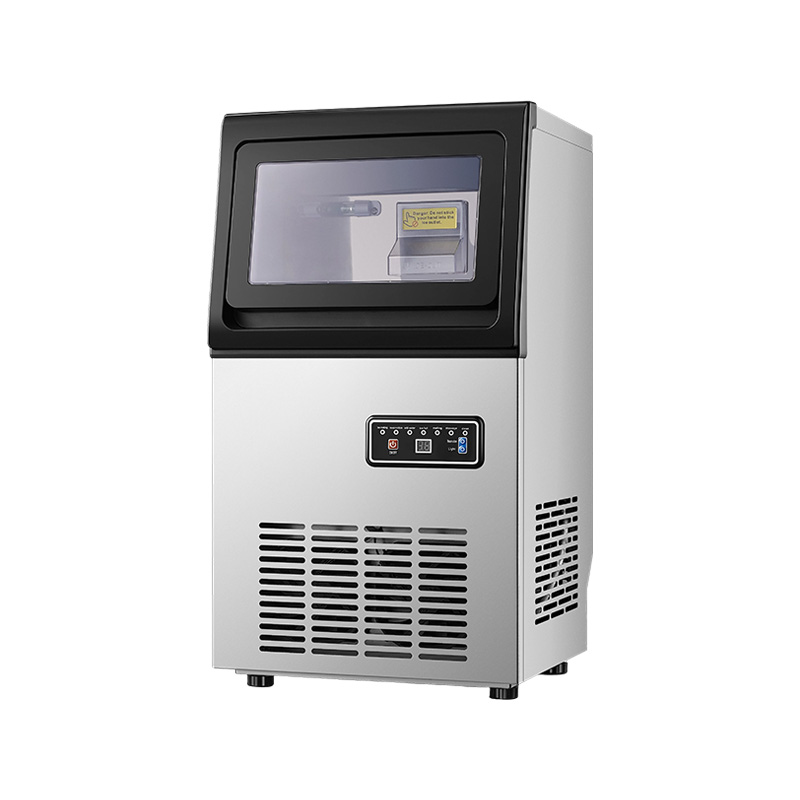
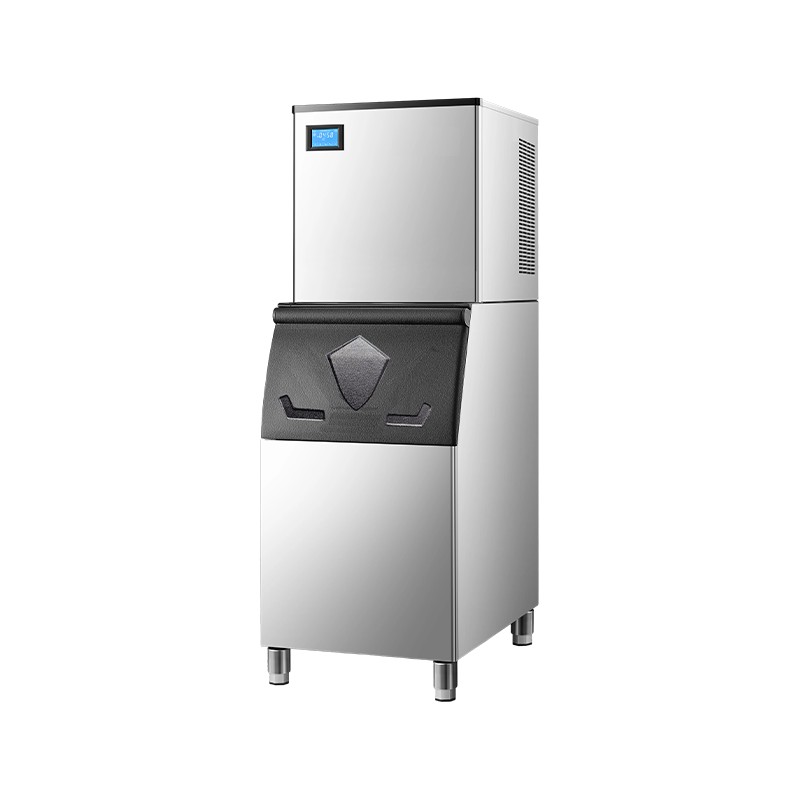 SKF-MA360F Split Commercial Cube Ice MachineA 160 kg/24h split cube ice machine for beverage shops, with separate condensing unit for quieter service areas and easier maintenance.View Product →
Whatever you buy, test the numbers with your own meter. Run the machine for a week, weigh the ice, and compare it with the rating. That habit separates operators who scale up from operators who guess.
What to Ask Before You Buy
We are a manufacturer, so our bias is obvious, but these questions sort careful suppliers from fast ones whoever you buy from.
- Under what ambient and water temperatures is the output rating measured?
- Which refrigerant is used, and is it compliant in your market?
- Which parts touch water and ice, and are they food-grade 304 stainless steel?
- What certification does the unit carry, and can the paperwork be supplied for import?
- How long does a wear part take to arrive, and who services the machine locally?
- Is there a service manual with a wiring diagram, or does every fault become a phone call?
For a longer comparison of types, capacity and selection criteria, our guide on how to choose a commercial ice maker walks through the same decisions in more detail.
A Start-Up Checklist You Can Actually Use
- Measure real demand for a week, in kilograms, including the busiest hour.
- Choose the ice type your customers will pay for, not the cheapest one.
- Size production at 60 to 70 percent of nameplate, then add a bin buffer.
- Map water supply, drainage and ventilation clearance before ordering.
- Write down the three-year running cost, not just the invoice.
- Confirm spare parts, certification paperwork and local service before you pay.
- Review actual output after three months, before you order a second unit.
An ice machine business is rarely won by the cheapest unit on the quote sheet. It is won by matching ice type to demand, sizing honestly, and keeping the equipment clean enough to hit its rating in year three. Get those three things right and the ice looks after itself.
If you are still deciding between cube, nugget, flake and shaved ice for your format, tell us what you sell and how many servings a day you expect. We have been building this equipment since 2007, and we would rather help you choose the right capacity than sell you the largest one.