
 English
 中文简体
中文简体 عربى
عربى
Home / News / Industry News / How to Clean a Commercial Ice Machine: Step-by-Step Guide for Operators
Content
Keeping a commercial ice machine clean is not just about appearances. In a busy restaurant, café, or bar, ice touches drinks, fruit, and sometimes food, so contaminated ice can affect both customer safety and the reputation of your business. Over time, mineral scale, slime, mold, and biofilm can build up inside the machine, especially in areas that stay damp. A regular commercial ice machine cleaning routine protects ice quality, extends equipment life, and helps you stay compliant with local health and safety expectations.
As a manufacturer of commercial ice machines since 2007, we have seen how a small amount of preventive care can prevent expensive repairs and inconsistent ice production. In this guide, we walk through why cleaning matters, how often to clean, and exactly how to clean a commercial ice machine step by step. If you are still comparing models, our commercial ice machine buying guide offers a useful starting point.
Why Commercial Ice Machine Cleaning Matters
Commercial ice machines create an ideal environment for bacteria and mold because they combine water, cold temperatures, and dark surfaces. If the machine is not cleaned properly, slime can develop on the evaporator plate, water curtain, storage bin, and internal tubing. This slime is more than unpleasant: it can become a breeding ground for microorganisms that may be transferred to customers through ice.
Cleaning also protects the mechanical parts. Calcium and magnesium in tap water create scale on the evaporator and water lines, which reduces cooling efficiency. When scale builds up, the machine has to work harder to produce ice, leading to higher energy bills and a shorter lifespan for components such as the compressor and water pump. Regular commercial ice machine descaling removes that mineral layer and keeps the unit running at full capacity.
Another reason to stay consistent is inspection. Health inspectors often ask about cleaning logs and maintenance schedules for ice machines. Having a documented routine shows that you take food safety seriously and can help your operation avoid citations or shutdowns.
How Often Should You Clean a Commercial Ice Machine?
The frequency depends on the volume of ice you produce and the mineral content of your water supply. Most manufacturers recommend a full clean and sanitize at least every six months, but high-volume commercial kitchens and beverage programs should consider a deeper clean every three months. If your water is especially hard, you may need to descale more often.
In addition to full cleanings, you should perform quick visual checks every day. Remove visible ice, look for unusual odors, and wipe down any surfaces that collect moisture. The table below gives a practical cleaning schedule for most food service operations.
| Frequency | Tasks | Why It Matters |
|---|---|---|
| Daily | Check ice bin, remove contaminated ice, wipe down exterior and door seals | Prevents mold and foreign particles from entering the ice supply |
| Weekly | Clean the bin walls, water curtain, and any removable ice scoops with a food-safe surface cleaner | Removes early slime and biofilm before they harden |
| Monthly | Inspect water filters, air filters, and drain lines; replace filters as needed | Keeps water quality high and reduces strain on the system |
| Every 3-6 months | Run a full descaling and sanitizing cycle on ice contact surfaces and internal water paths | Removes mineral scale and kills bacteria that routine cleaning cannot reach |
Use the schedule as a baseline. A busy drive-thru or a hotel ice machine serving hundreds of guests may need weekly or monthly attention beyond the standard cycle.
What You Need Before You Start
Before you begin the commercial ice machine cleaning process, gather the right supplies. Do not use household bleach or abrasive kitchen scrubbers unless the manufacturer specifically allows them. Harsh chemicals can damage stainless steel and leave residues that contaminate the next batch of ice.
- Food-safe ice machine cleaner and descaler designed for commercial equipment
- Food-grade sanitizer approved for food contact surfaces
- Soft cloths and non-abrasive brushes
- A clean bucket or container for collecting rinse water
- Disposable gloves and safety glasses
- A spray bottle for applying sanitizer
Check the instruction manual for your specific model. Some machines have removable panels and water curtains that are easier to clean outside the cabinet. If you no longer have the manual, search for the model number on the manufacturer label inside the machine.
Step-by-Step Commercial Ice Machine Cleaning Process
The cleaning process can be divided into phases. Work through the steps in order, and do not rush the rinsing stages. Residual cleaning solution can taste bitter and may produce unsafe ice.
Step 1: Turn Off and Empty the Machine
Switch off the power at the breaker or unplug the unit. Shut off the water supply to prevent fresh water from entering while you work. Remove all ice from the storage bin and discard it. Even if the ice looks clean, it was produced before the sanitation process and may already contain bacteria from the internal surfaces.
Step 2: Remove and Clean Ice Contact Parts
Take out all removable parts that touch ice or water: ice scoops, water curtains, splash plates, bins, and gaskets. Wash them with warm water and a food-safe cleaning solution. Rinse thoroughly and allow them to air dry. Do not skip this step by wiping them with a damp cloth, because drying prevents bacteria from multiplying.
While the parts are out, inspect the interior for visible scale or slime. Pay special attention to the evaporator plate and the area under the water distributor.
Step 3: Run a Descaling and Cleaning Cycle
Mix the cleaning solution according to the product label and pour it into the water reservoir or a container that the machine can draw from. If the machine has a built-in cleaning mode, follow the manufacturer's instructions. For machines without a dedicated cycle, you may need to pour the solution into the reservoir and allow it to circulate through the system for the recommended time.
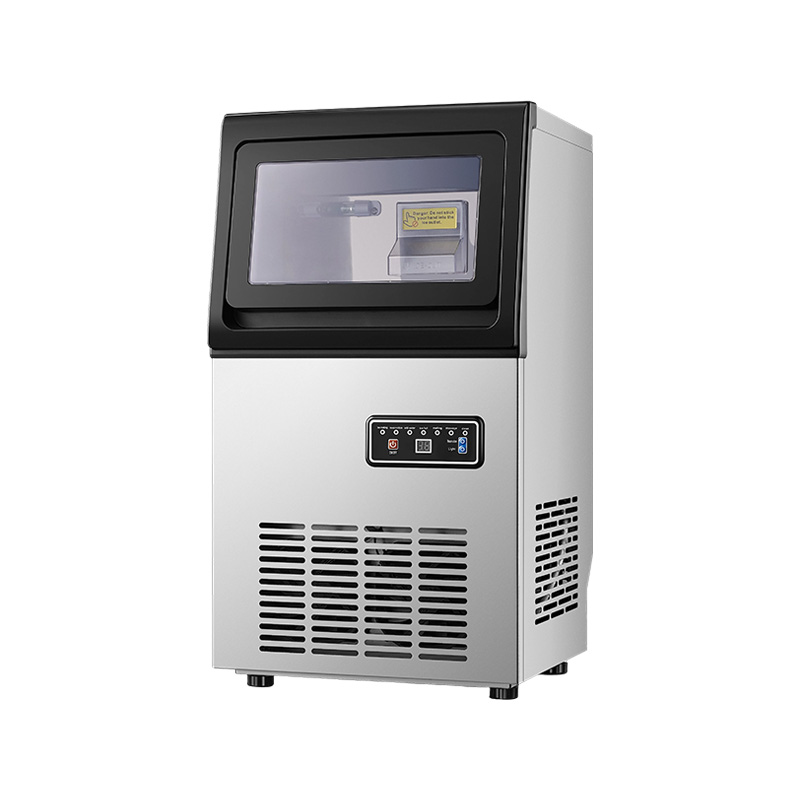
Do not use ice machine cleaner on parts that are not rated for food contact. Use a soft brush to loosen scale on stubborn areas, but avoid scratching the stainless steel surface. Many of our countertop models, including a 40 kg automatic cube ice machine, use food-grade stainless steel and simple controls that make this maintenance step easier.
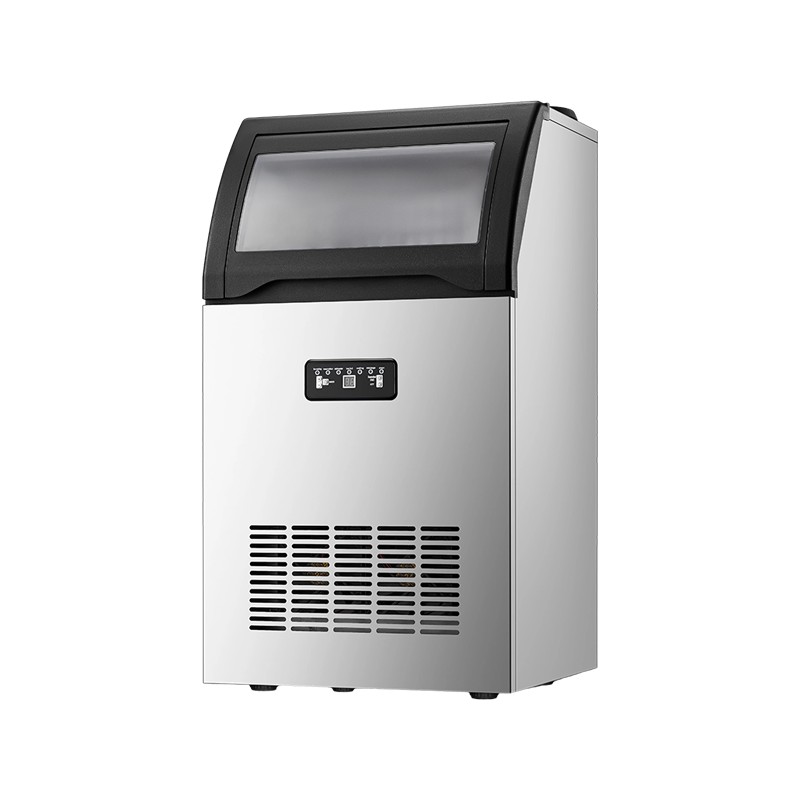 SKF-C90FT 40kg Automatic Countertop Cube Ice MachineThis compact countertop model uses food-grade stainless steel and simple controls, making routine cleaning and scale removal straightforward. Its reliable design suits small kitchens that need consistent daily ice production.View Product →
Step 4: Rinse Thoroughly
After the cleaning solution has circulated, drain it completely. Rinse the interior, reservoir, and water lines with fresh water several times. Continue rinsing until there is no trace of foam or cleaner smell. Remember that any leftover solution will be diluted and frozen into the next batch of ice, so thorough rinsing is essential.
Step 5: Sanitize and Reassemble
Once the machine is clean and fully rinsed, apply a food-grade sanitizer to all interior surfaces. Many operators use a spray sanitizer, but some machines require a sanitizing solution to be circulated through the water system. Check your manual for the recommended method.
Allow the sanitizer to sit for the contact time listed on the label, then rinse again with fresh water. Reinstall the removable parts, wipe down the exterior, and turn the water supply back on. Run the machine through one full ice-making cycle and discard the first batch of ice. This final flush removes any remaining sanitizer from the lines.
Daily and Weekly Habits That Reduce Build-Up
Deep cleaning is important, but daily habits make a bigger difference than most operators expect. Keep a dedicated ice scoop in a clean container, and never use a glass or cup to scoop ice. Close the bin door after every use to reduce air exposure. Wipe up spills around the machine to prevent sticky residues and pest activity.
Once a week, take a few minutes to wipe the water curtain and bin interior with a food-safe cleaner. If your commercial ice machine has an air filter, clean it monthly. Dirty air filters reduce cooling efficiency and force the compressor to work longer, which can also lead to increased water evaporation and scale.
For operators with hard water, consider a water filter or softener. Filtered water reduces the mineral content that causes scale inside the evaporator. Many commercial ice machine manufacturers, including our own, offer models with stainless steel construction and easy-access panels to make these routine tasks simpler.
Choosing an Ice Machine That Is Easier to Clean
Not all ice machines are equally convenient to maintain. When you are comparing options, look for units with smooth stainless steel interiors, removable water curtains, and accessible drain lines. Machines with fewer hard-to-reach crevices reduce the time you spend cleaning and the risk of hidden mold.
If your operation needs a reliable countertop cube ice maker, our 40 kg automatic cube ice machine is a popular choice because of its simple layout and automated control panel. For higher-volume kitchens, the 126 kg stainless steel cube ice machine provides a large storage bin and durable food-grade surfaces. And if you prefer nugget ice for beverages, the vertical automatic nugget ice machine combines convenient touchpad controls with compact dimensions.
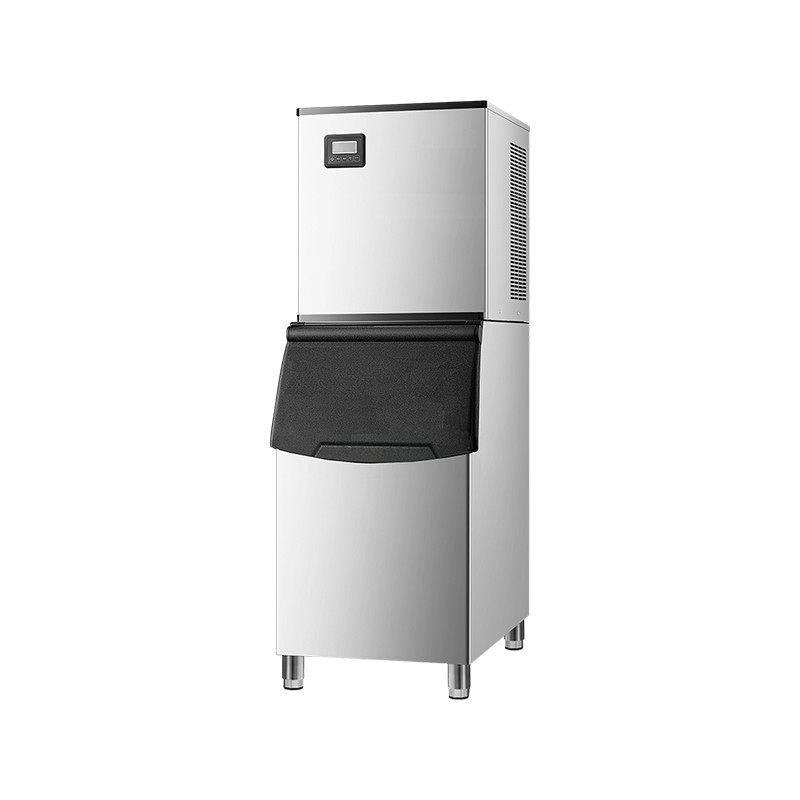
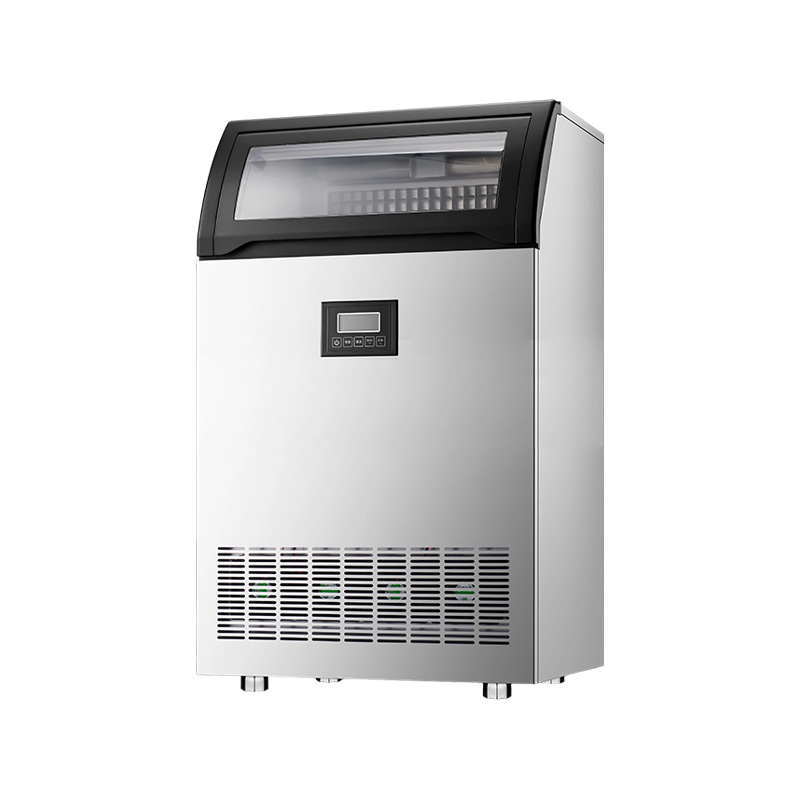 SKF-ESL280F 126kg High-Output Stainless Steel Ice MakerWith a large storage bin and food-grade surfaces, this high-capacity machine is built for demanding kitchens. Its cleaning-friendly features and durable construction support thorough maintenance between busy service periods.View Product →
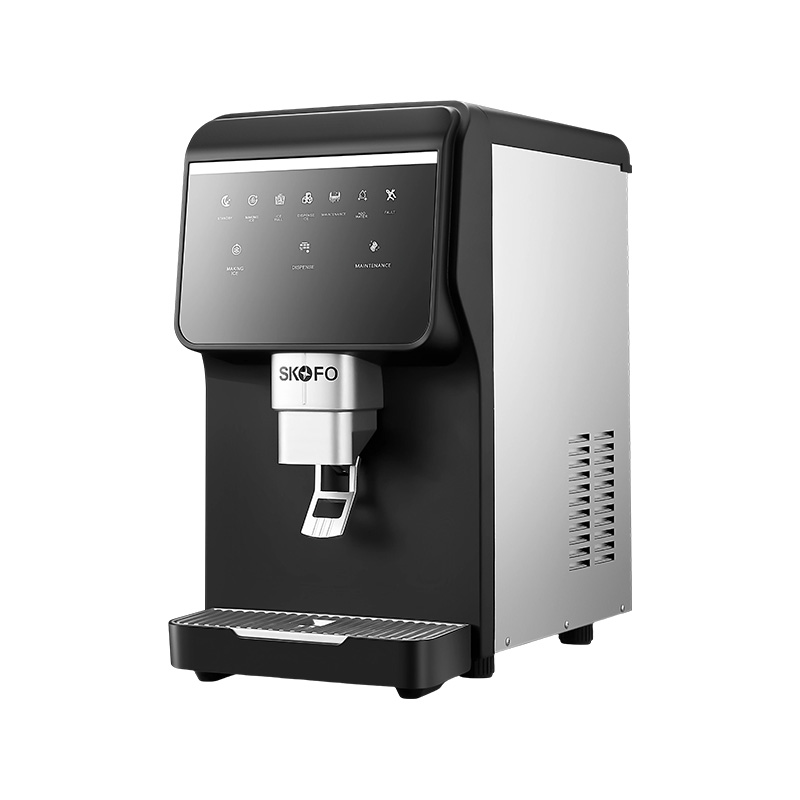
 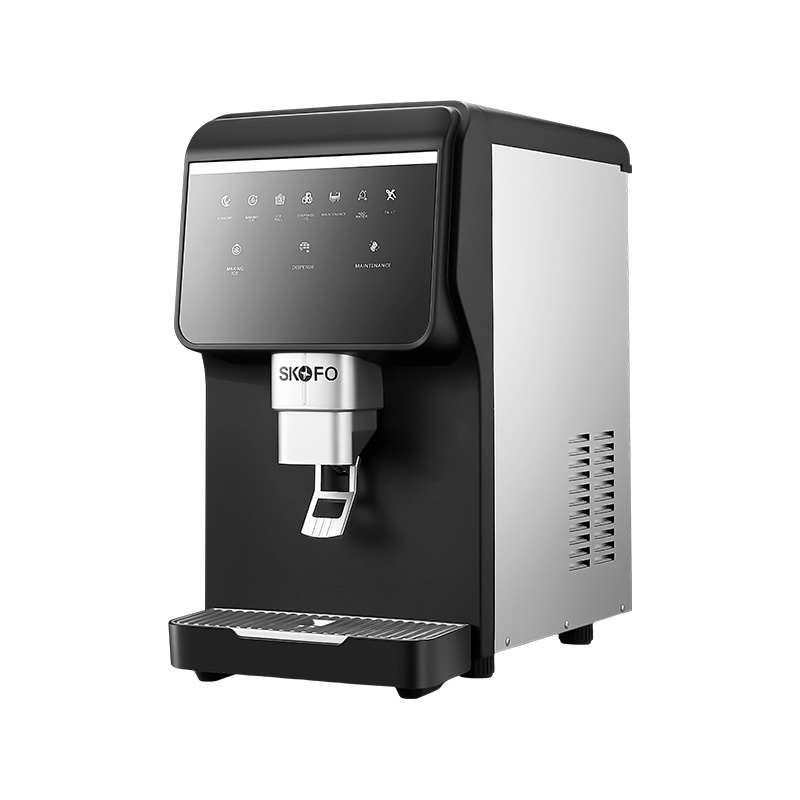 SKF-SAT30J 30kg Vertical Automatic Nugget Ice MachineThis compact nugget ice maker offers touchpad controls and a self-cleaning function, simplifying upkeep while producing chewable ice. Ideal for beverage service where hygiene and convenience are priorities.View Product →
Final Thoughts
Commercial ice machine cleaning is not an optional extra. It is a core part of running a safe, efficient, and profitable business. A clean machine produces clearer ice, reduces breakdowns, and protects your customers.
By following a regular schedule, using the right food-safe chemicals, and replacing worn filters and gaskets, you can extend the life of your equipment and avoid costly service calls. Whether you are cleaning a 25 kg countertop model or a large split system, the principles are the same: empty, clean, descale, rinse, sanitize, and repeat.
If you are unsure which machine best matches your cleaning capacity and production needs, contact our team. We have spent years manufacturing ice equipment for restaurants, beverage shops, and hotels, and we are happy to help you choose a model that is easy to maintain and built to last.