
 English
 中文简体
中文简体 عربى
عربى

Home / News / Industry News / Commercial Soft Ice Cream Machine Buying Guide: Types, Features & Tips
Content
Walk into any successful dessert shop or family restaurant, and there is often one machine doing the quiet heavy lifting: the soft ice cream machine. It turns a liquid dessert mix into a smooth, creamy soft serve in minutes, giving customers the fresh-from-the-machine experience they remember. Over the years, our factory has built many ice and freezing products, and we have seen that the best soft ice cream machine is not the shiniest one. It is the machine that fits your space, your team, your expected volume, and your cleaning routine.
What Is a Soft Ice Cream Machine?
A soft ice cream machine, also called a soft serve freezer, is a commercial refrigeration unit that continuously freezes and aerates a liquid dessert mix. Unlike hard ice cream, which is churned and then hardened in a separate blast freezer, soft serve is churned and frozen inside the machine and dispensed directly at serving temperature, usually around -7°C to -8°C. That is why the texture feels lighter, silkier, and more airy than a scooped ice cream.
In a busy café or restaurant, the machine must do three jobs at once: freeze the mix quickly, whip in the right amount of air for a rich mouthfeel, and dispense cleanly without dripping or uneven overrun. A true commercial unit has a compressor sized for continuous use, a freezing cylinder with an auger, and a feed system that keeps the mix flowing during peak hours. Smaller home machines simply cannot handle the same serving volume or recover fast enough for a steady line of customers.
Main Types of Soft Ice Cream Machines
Soft ice cream machines are usually divided by feeding system and physical layout. Both choices affect staffing requirements, product consistency, and counter space planning.
| Type | Typical Use | Key Consideration |
|---|---|---|
| Gravity-fed | Small shops, seasonal counters, low to medium volume | Simple to operate; slower recovery after heavy rushes |
| Pressurized (pump-fed) | High-volume shops, franchises, busy restaurants | Consistent overrun and texture; requires more training |
| Countertop machine | Compact kitchens, kiosks, food trucks | Small footprint; limited production capacity |
| Floor-standing machine | Dedicated dessert counters and chain stores | Higher output and additional flavor tanks; needs more floor space |
Gravity-fed machines are popular for simple menus because they do not need a mix pump; the mix flows down from the hopper into the freezing cylinder by gravity. Pressurized machines push the mix with a pump, giving more control over overrun and texture, which is essential for franchises that want every serving to taste exactly the same. If you plan only one signature flavor, a single-flavor countertop machine may be enough. If you want vanilla, chocolate, and swirled cones, choose a two-cylinder model. Many floor-standing units also allow two flavors plus a twist on the same side, raising perceived value without adding staff.
Key Features to Consider Before You Buy
Once you know which type fits your floor plan, the next step is to compare specifications. These are the features we check on every soft ice cream machine, whether it is going into a small café or a busy food court unit.
Production Capacity
Commercial capacity is usually measured in liters per hour or cones per hour. Think about the busiest 30 minutes of your day, not the daily average. Recovery time matters even more than the maximum label number because the machine may start the rush warm and need to keep serving once the door opens. A compact unit might handle 15 to 20 liters per hour, while a floor-standing model can push significantly more through multiple cylinders.
Refrigeration System and Refrigerant
Look for a durable compressor and a modern refrigerant. R290 is becoming a preferred low-GWP choice because it cools efficiently without losing performance at peak load. Air-cooled machines are the easiest to install, but they need clearance for condenser airflow. If the machine is tucked into a tight corner, the compressor will work harder, which shortens its life and raises energy bills.
Food-Grade Materials and Certifications
The mix touches the hopper, freezing cylinder, auger, and dispensing spout, so materials must be food-grade. Stainless steel surfaces resist bacteria, survive daily sanitizing, and give the machine a professional look. CE certification gives confidence that the electrical and refrigeration components meet European safety and electromagnetic compatibility requirements. If your operation is inspected regularly or you plan to grow into new markets, do not compromise on certification.
Cleaning Design
Dairy can build up in hard-to-reach corners, so choose a machine with removable hoppers, detachable spouts, and a drain tray that does not trap water. A no-residue feed channel reduces the chance of old mix staying inside overnight. The easier the machine is to break down, the more likely your staff will clean it properly at the end of every shift.
Common Mistakes When Buying a Soft Ice Cream Machine
We have seen many operators choose a machine for the wrong reasons, only to struggle with output or maintenance later. Avoid these mistakes when making your decision:
- Buying the biggest machine available when your average service time is under two hours; larger units cost more, use more energy, and take longer to pre-cool.
- Ignoring the electrical requirements. Some soft serve machines need a dedicated circuit or a specific voltage, and adding a new line after the layout is complete can be expensive.
- Choosing based only on price per unit. A machine with poor cleaning access will cost you hours of labor every week, and those labor hours add up quickly.
- Skipping the conversation about technical support and spare parts. Gaskets, auger seals, and spouts wear out, and you want a supplier who can ship them fast.
Keep these points in mind, and you will move from “which machine looks nice” to “which machine will pay for itself in the first season.”
Matching the Machine to Your Business Volume
There is no single “best” soft ice cream machine for every business. The right machine depends on menu size, service speed, floor space, and the number of trained staff behind the counter. As a manufacturer, we help buyers translate expected sales into an equipment plan, and the most important number is the busiest hour.
Compact Units for Small Shops
For a small café, bubble tea shop, or food truck, a compact countertop unit is usually the most practical starting point. It should fit on an existing counter, plug into a standard commercial power supply, and be easy for one or two people to operate. A small machine with a no-residue feed design shortens the evening cleaning routine and keeps the counter looking uncluttered. The compact model in our soft serve line is a common choice for this type of setup.
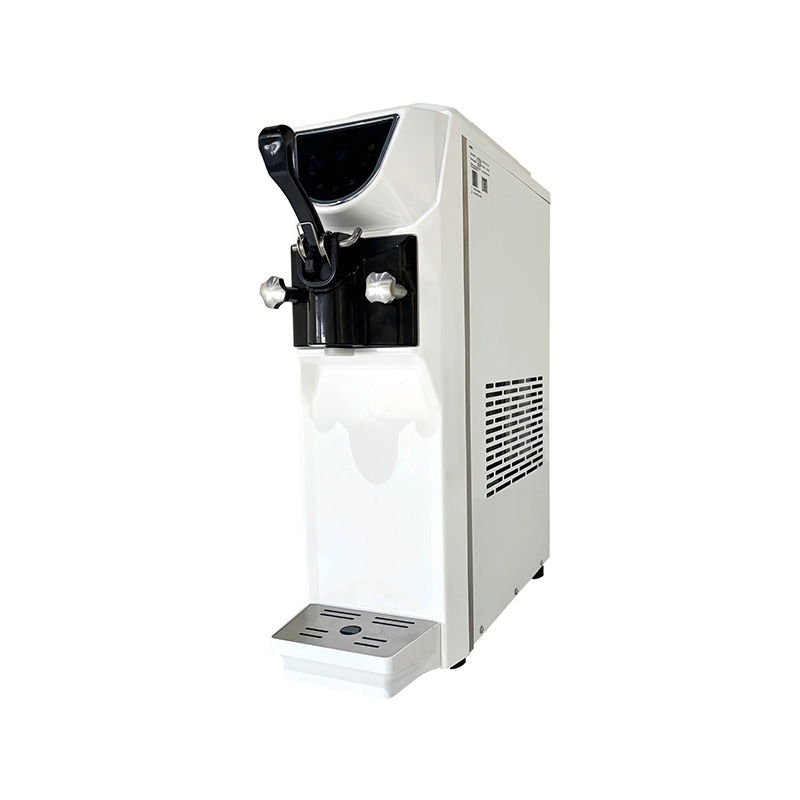 SKF-BT1016 Compact Countertop Soft Serve MachineThis compact soft serve machine features a narrow 210 mm design, a 7-inch LCD touchscreen, and a no-residue feed system, making it ideal for small cafes and food trucks.View Product →
In this category, we usually suggest dedicating the machine to one main flavor. You gain simplicity, consistent texture, and lower startup cost. If the menu grows later, you can add a second machine or step up to a larger unit.
Larger Units for High-Traffic Counters
When the machine becomes the visual center of your shop, a larger unit with an attractive body and a clear serving area works as marketing. Customers enjoy watching soft serve being pulled fresh from the machine, and that theater helps justify a premium price. When lunch and afternoon waves are steady, the extra cylinder capacity prevents the dreaded “out of order” sign. We have seen operators use a decorated counter machine as a way to advertise their brand, with the machine acting as both equipment and display.
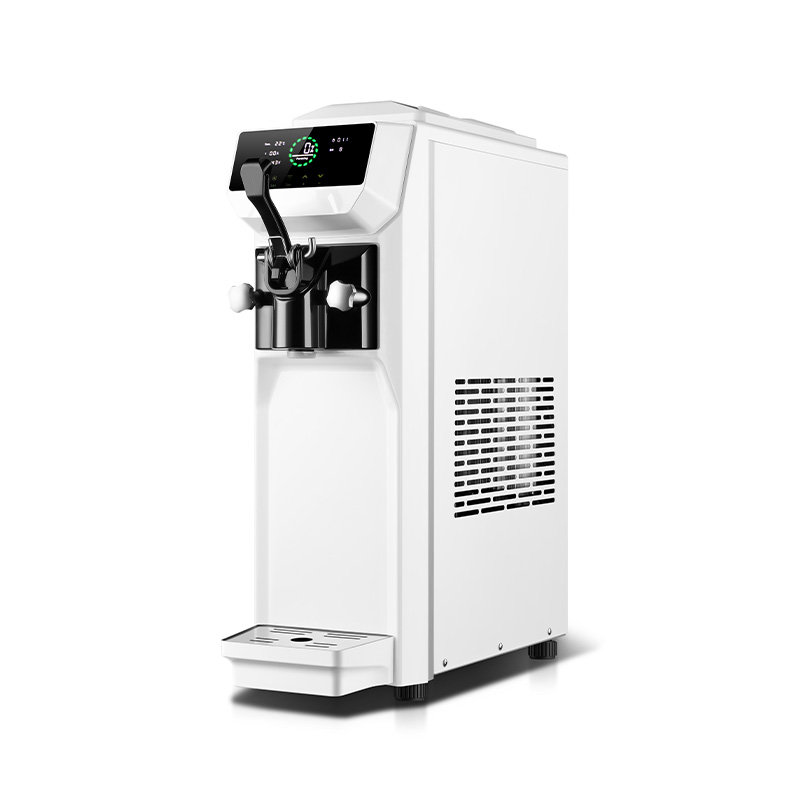 SKF-AT1016 Stylish Countertop Ice Cream MachineWith a fashionable exterior, 210 mm narrow footprint, and touchscreen controls, this model suits shops where the machine doubles as a visual centerpiece during service.View Product →
Choose a model whose hopper can hold enough mix to get through the rush without constant refilling. A well-designed counter machine keeps the mix cold and aerated even between quiet periods, so the next serving is as creamy as the first. That consistency is what brings customers back.
Installation, Cleaning, and Simple Maintenance
Soft ice cream machines are sensitive to heat, dust, and dairy hygiene. Write a daily and weekly maintenance schedule before the machine arrives. The backbone of a profitable soft serve program looks like this:
- Clean and sanitize all mix-contact parts at least once a day, including the hopper, front door, auger, dispensing spout, and drip tray.
- Use the detergent and sanitizer recommended by the machine manufacturer. Harsh chemicals can damage plastic seals and leave an off-flavor in the next batch.
- Never leave prepared mix sitting in a warm or unplugged machine for more than a few hours; temperature abuse ruins both flavor and food safety.
- Check condenser coils and air filter every month. Dust build-up makes the compressor work harder and raises your electricity bill.
- Train every shift to look for leaks around the cylinder valve, loose hoses, and unusual compressor noise. A small problem fixed early is far cheaper than a breakdown.
- Keep gaskets, a spare spout, and auger seals in stock. These small parts can prevent losing sales during a weekend rush.
These steps protect a machine that can become one of the most profitable items on your menu. Plan the electrical outlet and water access before delivery, and give the machine enough airflow. In our experience, machines that receive attention in the first few months provide years of reliable service.
Final Thoughts
Soft serve remains one of the strongest value additions in foodservice: high perceived value, attractive margin, and fast service. The machine does not need to be the biggest or most expensive, but it must be correctly sized, well built, and easy for your team to keep clean. Ask your supplier about hourly output, cleaning access, refrigerant type, and after-sales support. Then treat training and maintenance as seriously as the recipe itself.
A soft ice cream machine rewards attention with years of smooth, profitable service. For a broader look at commercial ice equipment and how different machines fit together in a frozen product lineup, read our ice-making machine guide.