
 English
 中文简体
中文简体 عربى
عربى

Home / News / Industry News / Industrial Ice Machine Buying Guide: Output, Ice Types, Cooling & Payback
Content
- 1 What Makes an Ice Machine “Industrial”?
- 2 Seven Specifications to Check Before You Commit
- 3 Choose the Ice Shape That Matches Your Service Style
- 4 Integrated or Split: Which Installation Works for Your Floor Plan?
- 5 Refrigerant, Material, and Operating Cost: The Payback Calculation
- 6 Practical Sizing Advice Before You Place the Order
A busy beverage shop runs out of ice on the first hot weekend of the season. A bar kitchen spends more staff time hauling bags from a storage room than actually serving drinks. If you are shopping for an industrial ice machine, it usually means your operation has outgrown small countertop units, or you are tired of machines that cannot hold up through a full service day. The good news is that modern commercial ice makers have become faster, more energy-efficient, and easier to maintain than older models. But the real challenge is not picking the biggest machine you can fit; it is matching daily output, ice shape, cooling method, installation style, and long-term operating cost to the specific ways your business actually uses ice.
What Makes an Ice Machine “Industrial”?
An industrial ice machine differs from a household or light-commercial model in three practical ways: continuous production, component durability, and heat management. A small built-in unit might make 25 kg of ice per day, and that is fine for a compact cafe counter. An industrial machine, by contrast, is expected to push out 100 kg to 380 kg per day while running through the full cooking and service hours. That kind of workload demands a larger condenser, a heavier evaporator, more powerful internal fans, and a control system that automates the freeze-and-harvest cycle without constant babysitting.
The other defining factor is installation flexibility. Industrial models frequently use a split configuration, with the ice-making head and the condensing unit separated, so heat can be vented away from the work area. If you are buying for a high-volume kitchen, central kitchen, or beverage production space, you should be planning around continuous throughput, not just bucket capacity.
Before you compare prices, decide what your actual peak-hour ice demand looks like. Count the number of drinks, plated dishes, or cold-display trays that need ice during your busiest service block, and work backward to kilograms per day. Buying a 40 kg machine when your kitchen needs 120 kg per day will lead to shortage, overtime ice purchasing, and wear on the unit from running nonstop.
Seven Specifications to Check Before You Commit
Every industrial ice machine can be compared with the same set of core specifications. Rather than being impressed by a large storage bin, look at how the machine produces ice, how it rejects heat, and what it is made of where it touches food.
| Specification | Why It Matters | What to Verify |
|---|---|---|
| Daily output (kg/24h) | Determines whether the machine can cover your peak service window without running nonstop. | Confirm the rated output is based on realistic ambient conditions, such as 21°C air and 15°C water, not ideal lab numbers. |
| Cooling method | Air-cooled models are easier to install; water-cooled models put less heat into the room but need a water supply. | Check the installation manual for clearance space and ambient operating range. |
| Ice shape | Affects drink fill, food presentation, and how quickly ice melts. | Decide between cube, nugget, flake, or gourmet cube shape before comparing models. |
| Refrigerant | Newer refrigerants reduce environmental impact and may be required by local regulation. | Look for R290 or another low-GWP refrigerant rather than older high-GWP types. |
| Food-contact material | Prevents corrosion and keeps ice safe for consumption. | Confirm 304 stainless steel is used for the evaporator and ice-contact surfaces. |
| Controls and automation | Reduces labor and prevents costly breakdowns. | Look for automatic water refill, self-diagnostics, and a clear control panel. |
| Installation type | Determines where the machine can sit and how much heat it will add to the room. | Choose between countertop, integrated, or split systems based on your floor plan and ventilation. |
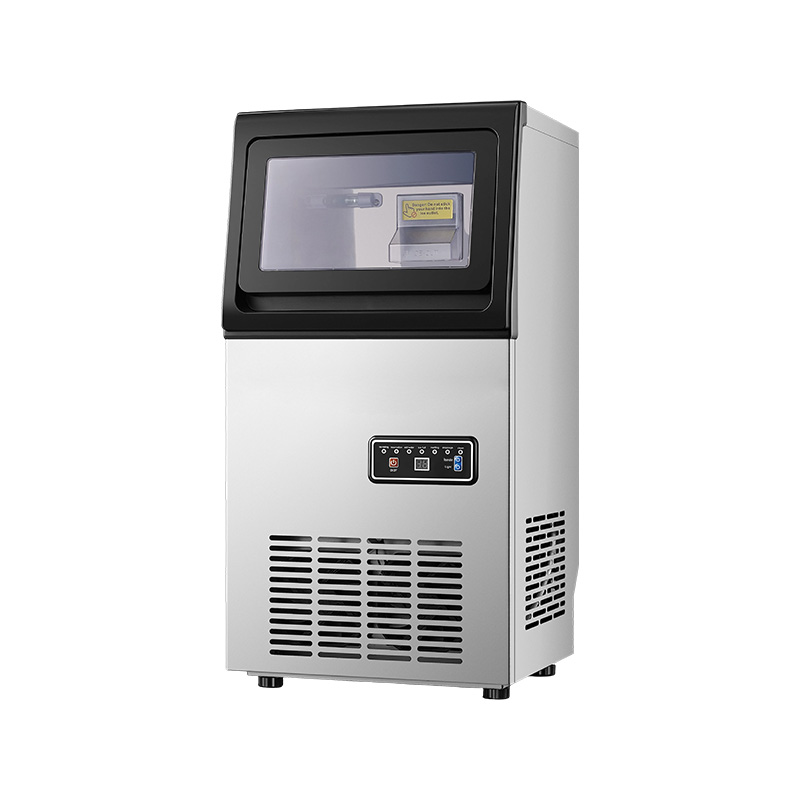
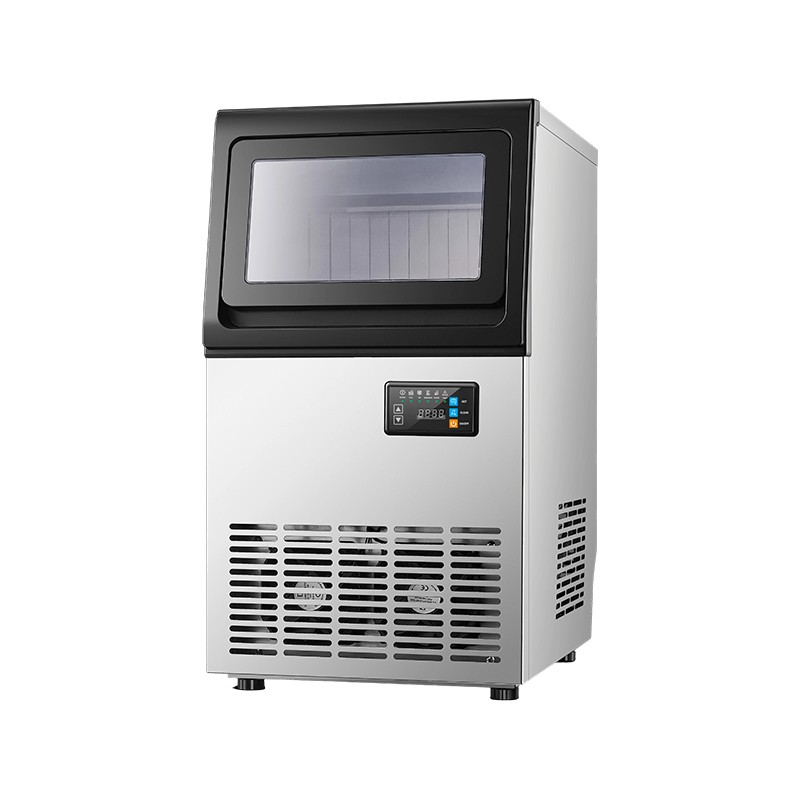
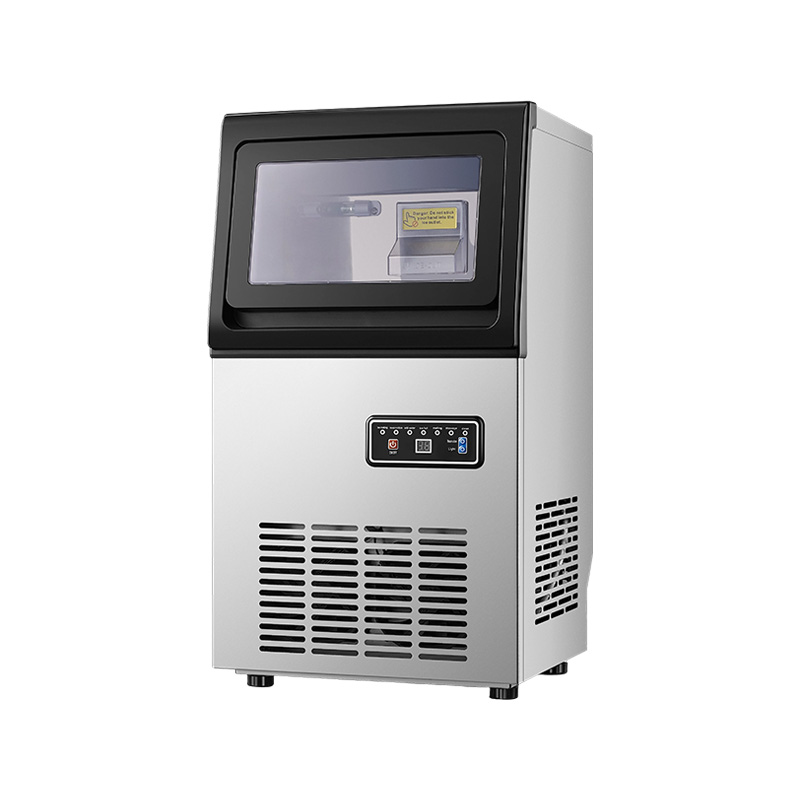
Let me give you a concrete example from the beverage side. Many drink shops assume a 60 kg machine will be enough because their daily sales number looks small. But during the afternoon rush, every cup gets 200 grams of ice, and one high-volume hour can pull more than half the machine’s daily capacity. For this reason, a beverage-focused shop is better served by a 160 kg-per-day beverage shop cube ice machine, especially when the business expects steady growth during summer months. The extra capacity gives you a buffer for parties, catering orders, and equipment hiccups that no schedule can fully predict.
 Wholesale SKF-MA360F 160kg/24h commercial used Beverage shop cube ice machine SNingbo Shanghe Intelligent Equipment Co., Ltd. is China wholesale SKF-MA360F 160kg/24h commercial used Beverage shop cube ice machine su...View Product →
Choose the Ice Shape That Matches Your Service Style
Ice shape is not a cosmetic detail. It changes the speed of cooling, the rate of dilution, and the way the ice behaves in a display case or a cocktail shaker.
Cube Ice for Drinks and Cocktails
Square or crescent cubes are dense, slow-melting, and ideal for beverages. They chill quickly without watering down the flavour, which is why bars, cafes, and restaurants most often choose cube ice. If your menu includes handcrafted drinks or premium sodas, cube ice is the safer choice.
Nugget and Flake Ice for Food and Soft-Serve
Nugget ice is soft, chewable, and absorbs the flavour of the drink around it, making it popular in quick-service operations. Flake ice, on the other hand, packs tightly around seafood, salad bars, or transport boxes and keeps the product cold without crushing it. Industrial kitchens often need one of these two shapes even if the front of house uses cubes.
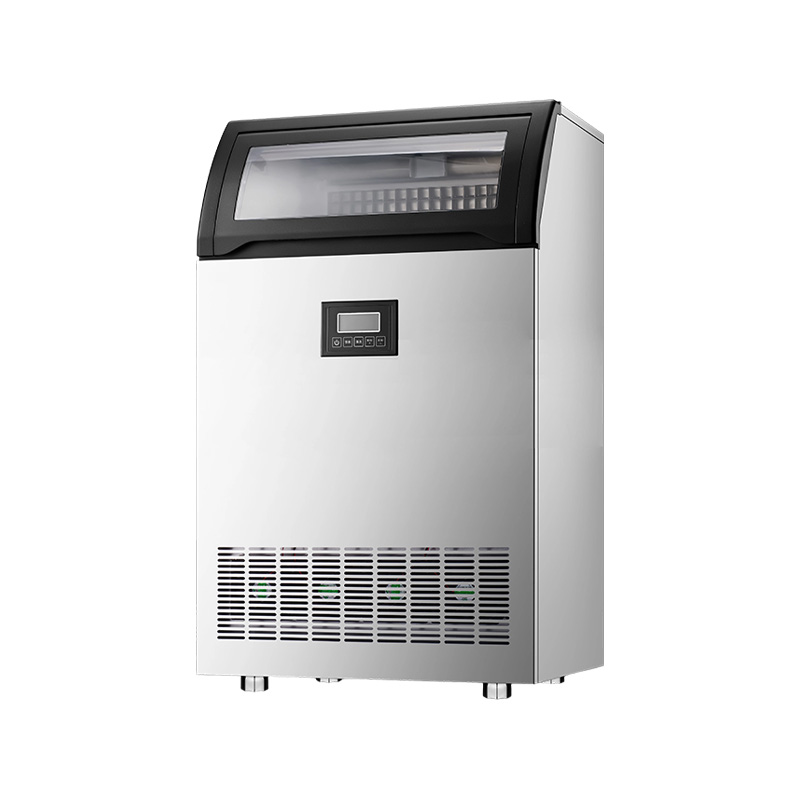
When you define the ice shape, you also narrow down the right product family. A machine rated for 126 kg per day with stainless steel high-output cube ice machinery makes sense in a catering kitchen where the same cube is used for chilling drinks and plating seafood. The 304 stainless steel construction matters because the machine will see constant water, frequent cleaning, and demanding health inspections.
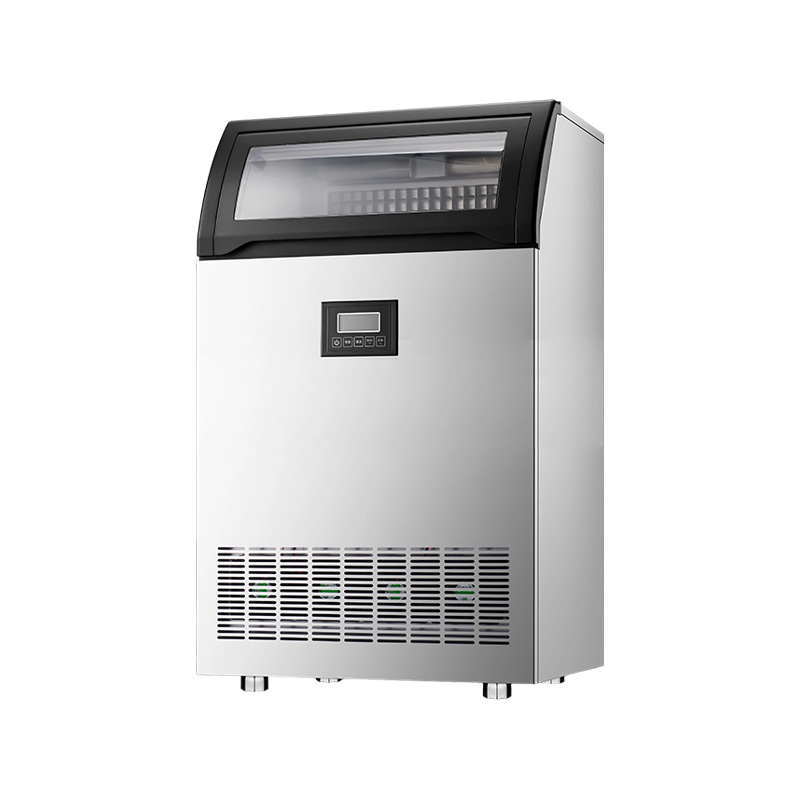 Wholesale SKF-ESL280F 126kg/24h Stainless steel High Output ice making machineryNingbo Shanghe Intelligent Equipment Co., Ltd. is China wholesale SKF-ESL280F 126kg/24h Stainless steel High Output ice making machinery ...View Product →
Integrated or Split: Which Installation Works for Your Floor Plan?
Installation type affects everything from daily capacity to the amount of heat your kitchen staff has to tolerate.
Integrated and Countertop Units
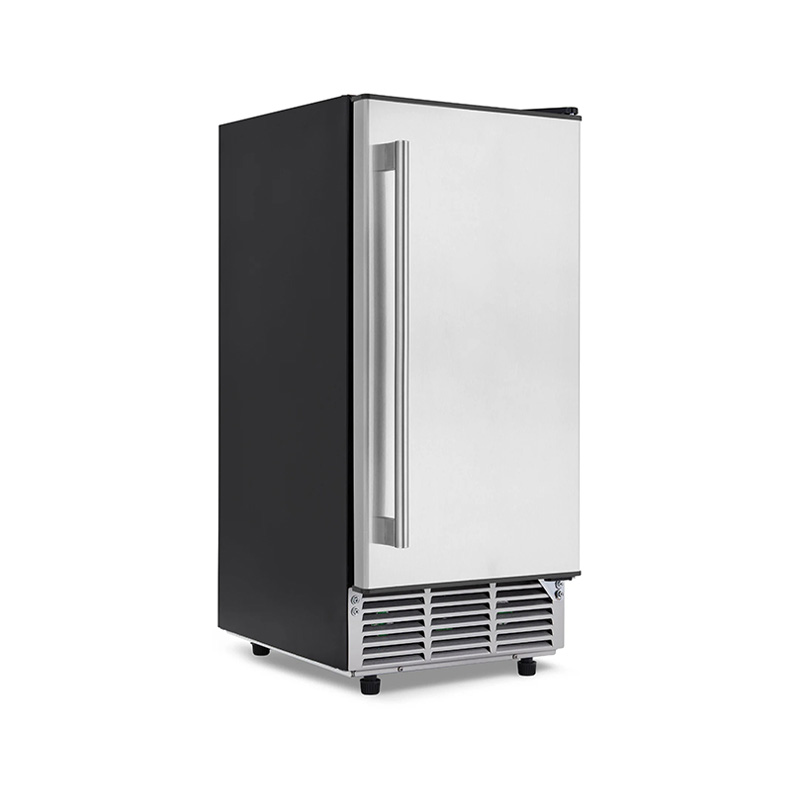
Integrated machines keep the ice-making head and condenser inside one cabinet. They are easy to position against a wall or under a counter, but their output is usually limited because the condenser must work harder in a smaller space. A built-in ice machine guide can help you weigh the trade-off, but the key point is simple: compact installation works well for small or medium demand, not for a kitchen that needs ice across multiple stations.
Split Systems for High Output and Lower Room Heat
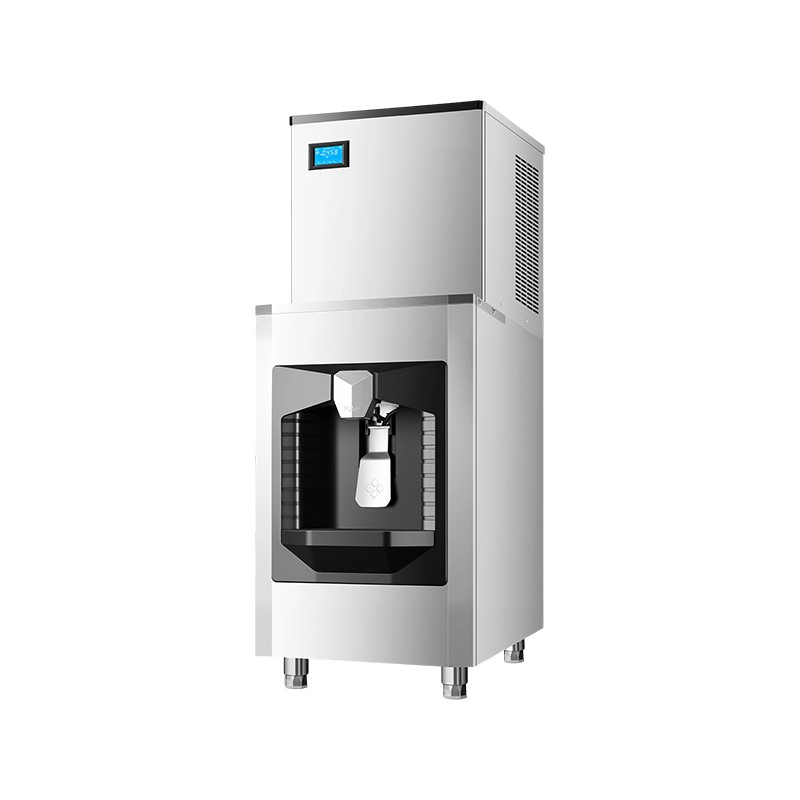
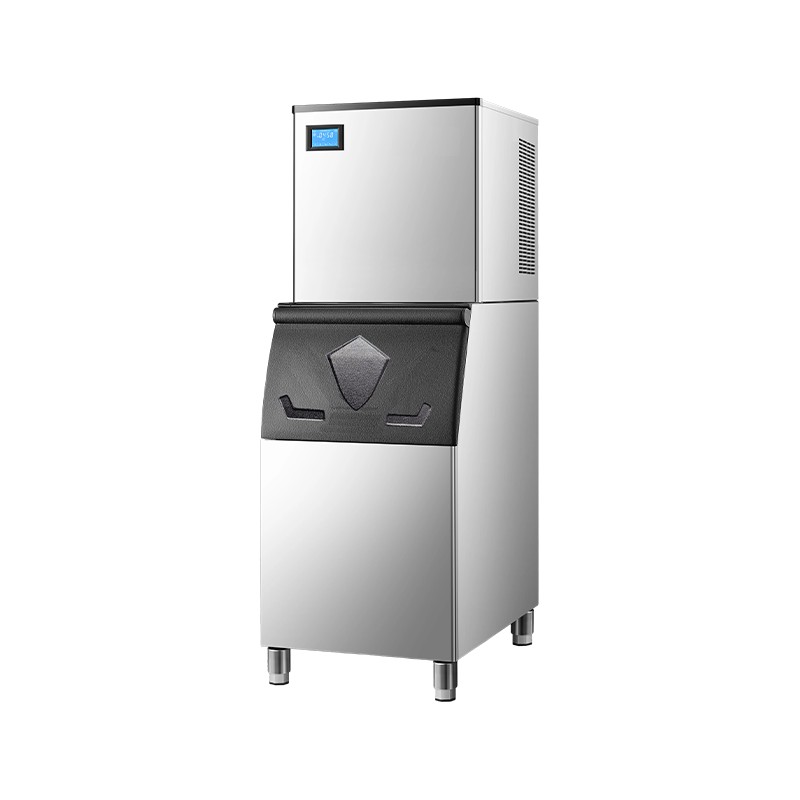
Split systems separate the condenser from the ice-making head. This design keeps hot air away from the prep area and allows a much larger condensing unit, which directly translates into higher production. Industrial buyers should strongly consider a split configuration whenever the daily requirement exceeds 100 kg. A machine like the 380 kg-per-day mobile control multifunctional ice maker is a genuine example of how much production a split system can provide. At that level, you are not buying a countertop appliance; you are installing a piece of production equipment.
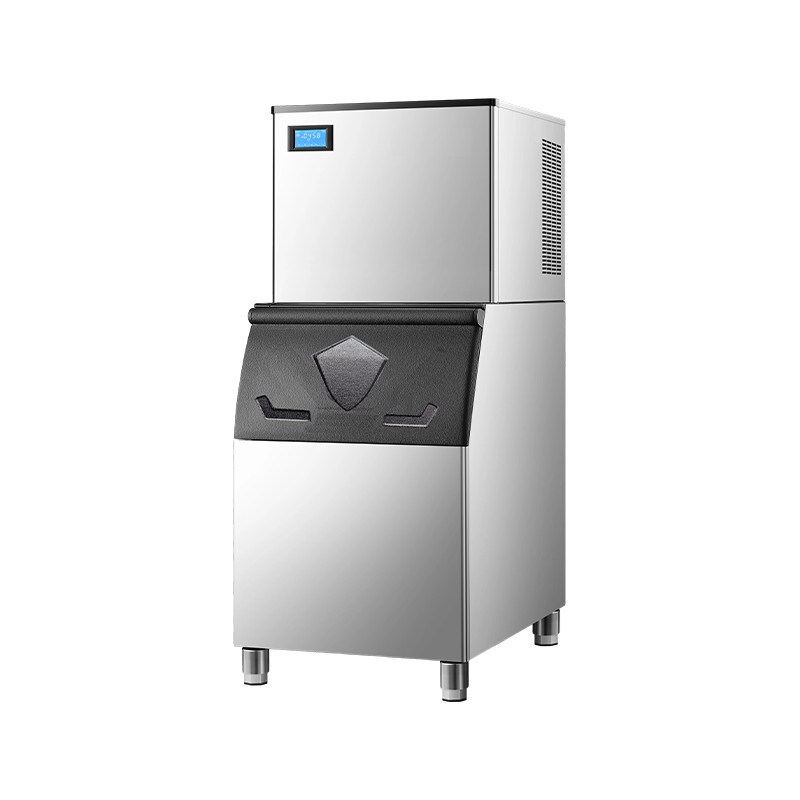 Wholesale SKF-MB800F 380kg/24h Mobile control multifunctional ice maker machine Ningbo Shanghe Intelligent Equipment Co., Ltd. is China wholesale SKF-MB800F 380kg/24h Mobile control multifunctional ice maker machine s...View Product →
Refrigerant, Material, and Operating Cost: The Payback Calculation
Many buyers focus only on the sticker price and forget that an industrial ice machine will consume electricity, water, and cleaning chemicals every single day. The difference between a poorly insulated machine and a well-built one can show up in next month’s utility bill. This is where modern refrigerants like R290 make a real difference. R290 has a much lower global warming potential than older refrigerants, and it transfers heat efficiently enough that many newer machines achieve the same output with less energy input.
Material quality is equally important. Ice contact surfaces must be 304 stainless steel, not coated metal that can chip after months of scraping and sanitizing. A stainless steel evaporator also holds up better in kitchens where humidity, salt, and acidic ingredients are present. If you plan to keep the machine for five to seven years, choosing food-grade materials from the start is cheaper than repairing a corroded unit after two years.
When calculating payback, include these four items:
- Energy consumption per kg of ice produced, not total wattage on the nameplate.
- Water usage, especially for water-cooled condensers with continuous drain.
- Filter and cleaning supply costs, which rise if the machine has a large storage bin.
- Repair frequency, usually driven by condenser location, fan quality, and control board reliability.
If you are just starting your research, the industrial ice machine guide on types and business buying tips covers a wider range of models and can help you compare categories before you request final quotes.
Practical Sizing Advice Before You Place the Order
A general rule for commercial kitchens is to size the machine at 1.5 times your estimated average daily usage. Very few kitchens use the same amount of ice every day. Weekends, holiday catering, and summer beverage promotions will push demand higher, and the machine should handle those spikes without running for 20 hours straight. Running an industrial ice machine at maximum capacity all day also shortens its lifespan, because the compressor and condenser never get a cool-down cycle.
So before you submit a purchase order, walk through this checklist:
- Calculate the highest single-day ice usage you realistically expect, then multiply by 1.5.
- Choose the ice shape according to your menu: cube for drinks, nugget for chew-friendly service, flake for food display and transport.
- Confirm whether your space can exhaust heat properly for an integrated unit or whether a split condenser is the better fit.
- Verify the refrigerant type and local compliance requirements before installation.
- Check that all ice-contact parts meet food-grade material standards.
An industrial ice machine is a long-term investment. The daily output rating, the cooling method, and the material quality determine whether it will protect your profit margin or become a recurring headache. Match the machine to your busiest day, choose a durable build with modern refrigerant, and pay attention to how much heat and noise it will add to your workspace. If you cover those four bases, you will end up with a machine that works as hard as the rest of your kitchen.