
 English
 中文简体
中文简体 عربى
عربى
Home / News / Industry News / How to Choose a Commercial Ice Maker: Types, Capacity, and Selection Tips
Content
A busy café can lose an entire afternoon of sales when the ice bin runs dry during the peak rush. A commercial ice maker is not an appliance you add at the end of a remodel; it is production equipment that determines how many drinks, plates, or display trays you can serve. The right choice starts with ice type, daily output, cooling method, and build quality—not just the sticker price.
This article explains what separates a commercial ice maker from a residential unit, how to match specifications to your business, and what to check before placing an order.
What Makes an Ice Maker “Commercial”?
A residential ice maker may produce 10–15 kg of ice per day and is designed for intermittent use. A commercial machine usually starts at around 25 kg per day and must handle continuous operation, higher ambient temperatures, and constant door openings. Rated capacity is measured under reference conditions of about 21°C ambient temperature and 10°C feed-water temperature; in a hot kitchen, output can drop by 15–20%.
Key differences between a true commercial unit and a domestic machine include:
- Larger condenser and compressor designed for heavy-duty cycles.
- Food-grade stainless steel or specially treated surfaces on ice contact areas.
- Removable and cleanable components for daily sanitation.
- Serviceable parts and certifications such as CE.
If you buy a machine that looks like a commercial model but uses household-grade internal parts, the compressor may overheat or fail during continuous service. That is the most common procurement risk we see in the field.
Core Specifications to Evaluate Before Buying
Ice Shape and Its Business Fit
The shape of the ice changes how it affects drinks and display presentation. Our most common commercial types are:
- Cube ice: hard and slow-melting; best for beverages, cocktails, and general service.
- Nugget ice: soft and chewable; popular in convenience stores, healthcare settings, and soda service.
- Flake ice: fine and moldable; useful for food displays, seafood, and produce.
- Gourmet cube ice: larger and clearer; preferred for premium spirits and high-end bars.
Daily Capacity and Storage
Estimate your demand with a simple formula: average ice per serving in grams times the number of servings you expect per day. For example, a fast-casual restaurant using 150 g per drink and serving 400 drinks per day needs about 60 kg of ice daily. Add a safety margin for peak hours and hot weather.
Storage bin capacity is as important as daily production. If the bin only holds 20 kg, you will run out during a lunch rush even if the machine can make 60 kg across 24 hours. A larger bin or a machine with integrated storage helps bridge the gap between production and demand.
Air-Cooled vs Water-Cooled Condensers
Air-cooled condensers reject heat into the room, making them easier to install and less expensive to maintain. Water-cooled condensers reject heat through a water line, which reduces heat load in the kitchen but consumes water and requires a continuous supply. For most cafés, bars, and small restaurants, air-cooled is the right balance. For high-output machines in hot, poorly ventilated rooms, water-cooled can keep production stable.
Materials, Refrigerant, and Certifications
Food-grade 304 stainless steel is a useful indicator of durability and hygiene on panels and ice-contact parts. R290 is a hydrocarbon refrigerant with low global warming potential and is widely used in modern small and mid-size machines. CE certification provides a common safety benchmark in many markets. These details affect rust resistance, cleaning effort, and long-term repair costs.
Matching the Ice Maker to Your Operation
Countertop Cube Ice Makers for Beverage Shops
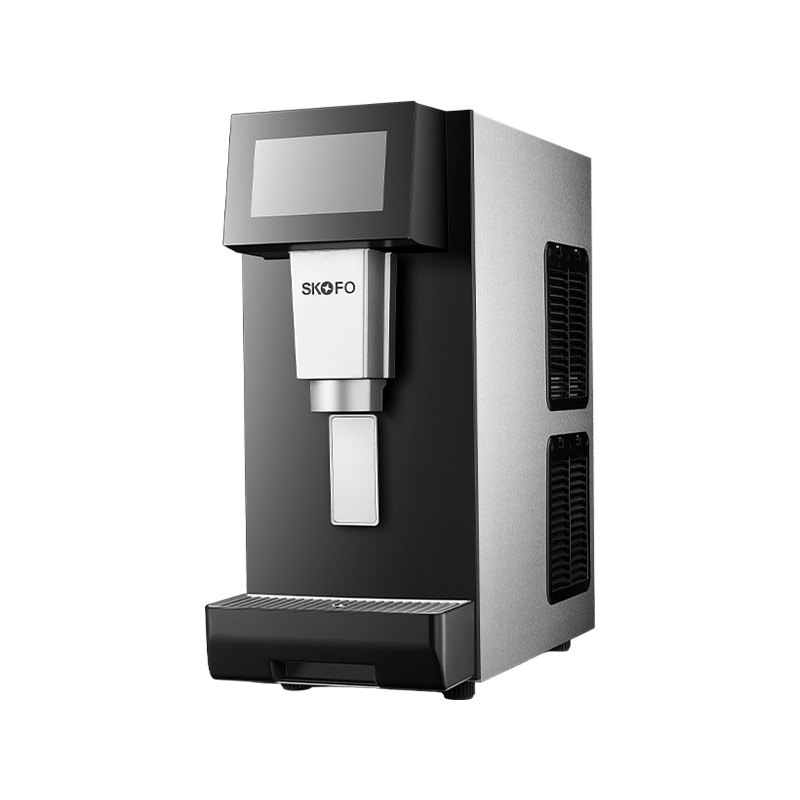
Beverage shops and small cafés often have limited counter space but constant demand. A compact automatic countertop cube ice maker with 36 kg per day output is practical for service counters and bar stations. It takes up a minimal footprint, uses R290 refrigerant, and still produces enough ice for steady service.
For that reason, many small operators choose the automatic countertop cube ice maker when they need consistent output without dedicating floor space.
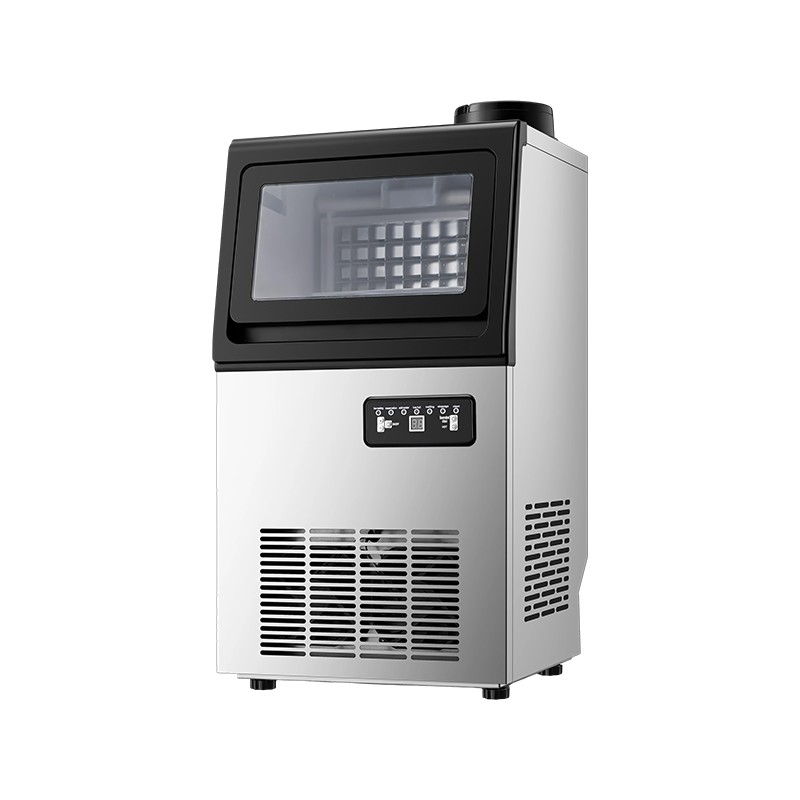 Wholesale SKF-ATS80FT 36kg/24h Automatic commercial small counter top ice makerNingbo Shanghe Intelligent Equipment Co., Ltd. is China wholesale SKF-ATS80FT 36kg/24h Automatic commercial small counter top ice maker ...View Product →
High-Capacity Split Systems for Kitchens and Hotels
Larger kitchens, hotels, and central prep areas need more ice and more flexibility in placement. Split ice machines separate the ice-making head from the condensing unit, which lowers heat and noise in the serving area. A high-capacity split model can also support banquet service or multiple outlets from one installation.
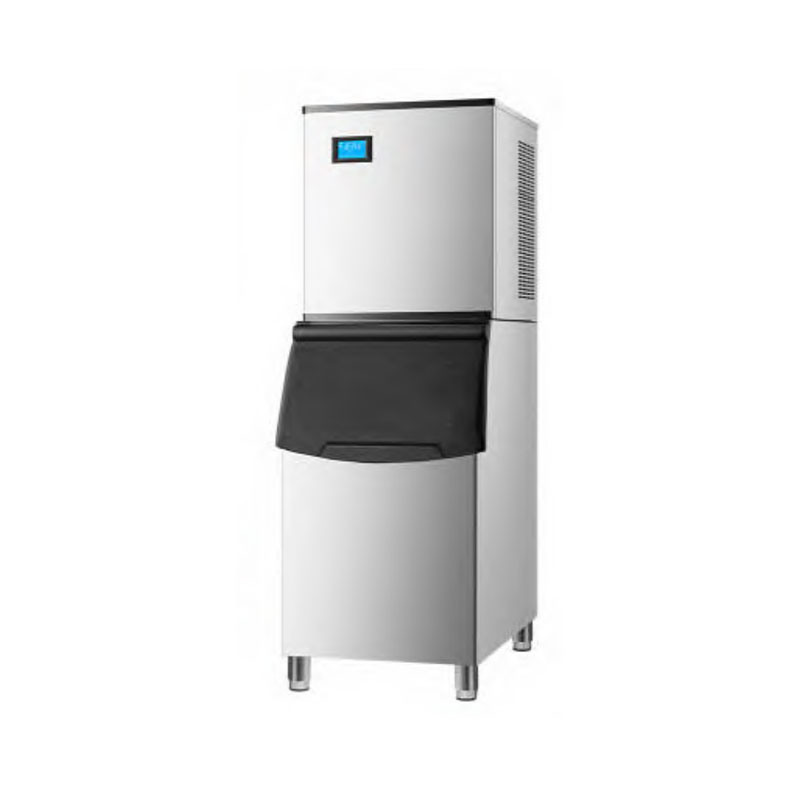
For high-volume operations, a 380 kg mobile-control split ice machine provides the scale needed for busy kitchens and event venues while keeping controls accessible.
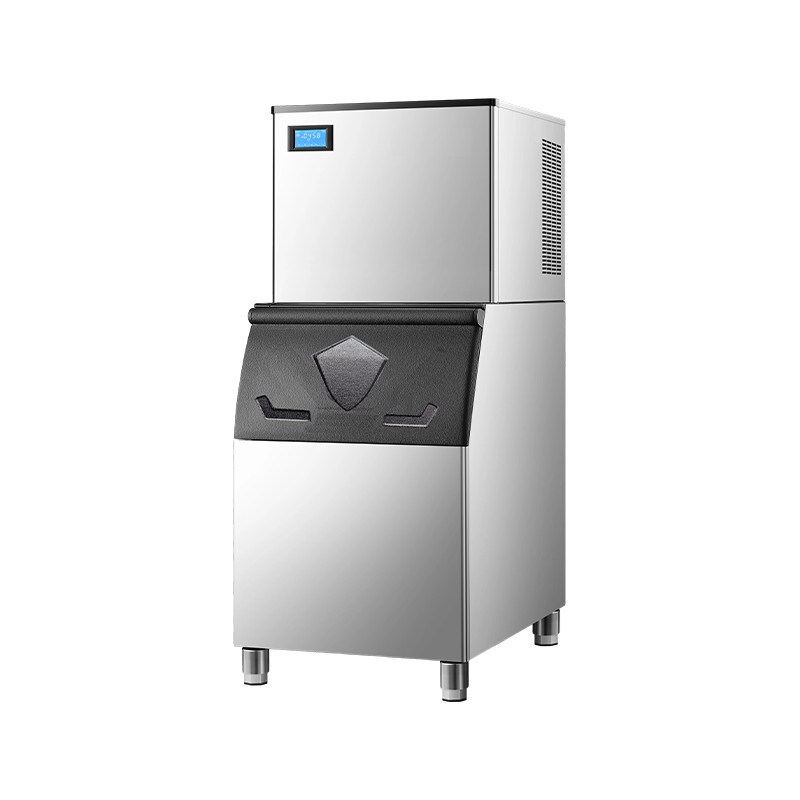 Wholesale SKF-MB800F 380kg/24h Mobile control multifunctional ice maker machine Ningbo Shanghe Intelligent Equipment Co., Ltd. is China wholesale SKF-MB800F 380kg/24h Mobile control multifunctional ice maker machine s...View Product →
Nugget Ice and Ice-Water Dispense for Specialized Service
Nugget ice is increasingly popular in healthcare, convenience, and self-service environments because it is easy to chew and holds beverages well. An integrated ice-and-water dispenser reduces labor and contamination risk by eliminating open bins and scoops.
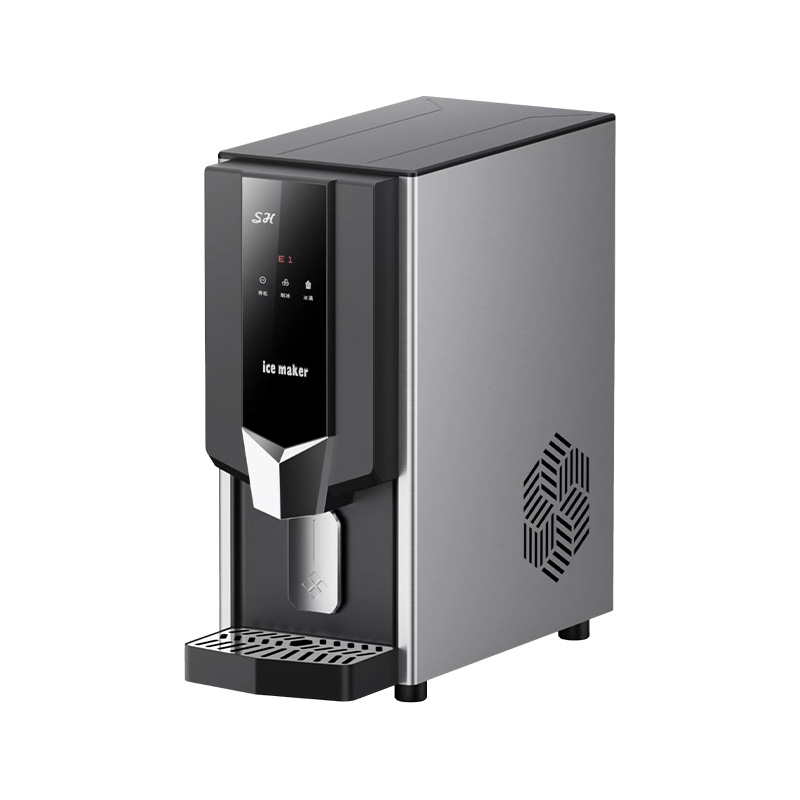
A tabletop model like the 40 kg nugget ice maker with water dispense suits waiting areas, small restaurants, and service counters that need hygienic self-service ice.
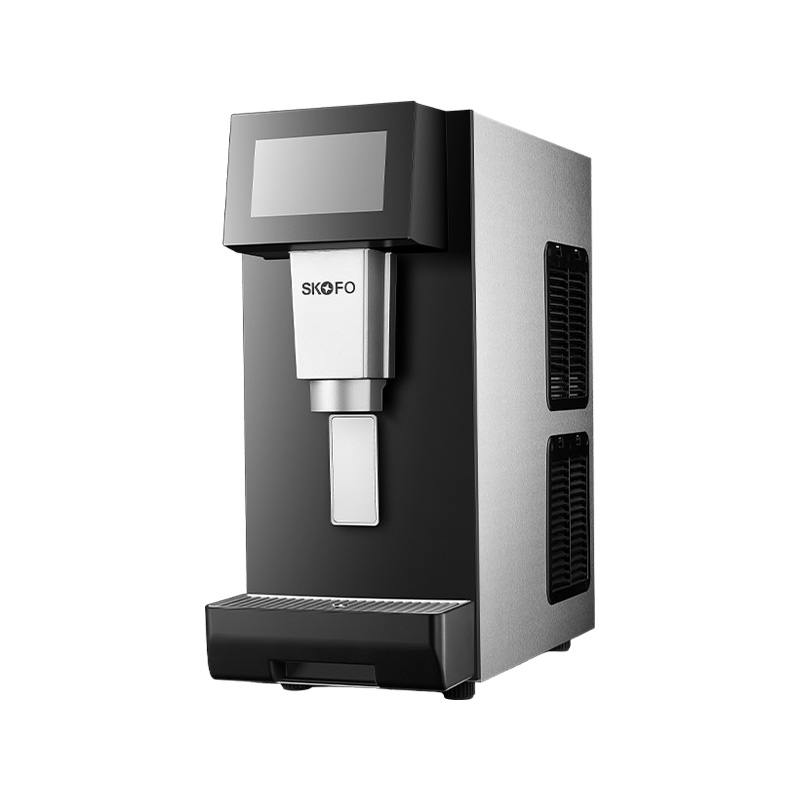 Wholesale SKF-SCT40JW 40kg/24h Vertical table top power saving ice and water diNingbo Shanghe Intelligent Equipment Co., Ltd. is China wholesale SKF-SCT40JW 40kg/24h Vertical table top power saving ice and water dis...View Product →
A Side-by-Side Comparison
| Ice Type | Typical Daily Output | Best For | Key Maintenance Point |
|---|---|---|---|
| Cube ice | 25–380 kg/24h | Drinks, cocktails, general service | Check water filter and evaporator plate |
| Nugget ice | 25–60 kg/24h | Soft drinks, medical, self-service | Clean the auger and storage bin regularly |
| Flake ice | 30 kg/24h and up | Food displays, seafood, produce | Monitor blade wear and moisture |
| Gourmet cube ice | 15–50 kg/24h | Premium bars, whiskey service | Ensure water purity for clear ice |
Practical Buying and Installation Tips
Before finalizing a purchase, review these operational details:
- Leave at least 15–20 cm around the condenser for airflow; blocked ventilation reduces output and increases heat.
- Use a water filter if your water supply is hard; scale build-up is the leading cause of early ice machine failures.
- Confirm the voltage and power supply match the machine nameplate; voltage dips shorten compressor life.
- Size production for your busiest day, not the average day, to avoid running out during seasonal peaks.
- Ask the supplier about spare parts availability and after-sales response before you commit.
Also, keep the cleaning schedule realistic. A commercial ice maker that is not descaled and sanitized on schedule will lose output and may not meet local food-safety standards.
Why a Manufacturer’s Perspective Matters
Having built ice machines for food-service operators for years, we know where the hidden costs appear. Buyers who focus only on price often end up with compressors that fail under continuous load, panels that rust quickly, or ice output that drops in summer.
As a manufacturer with an 18,000 square meter plant and more than 190 employees, Shanghe designs and produces commercial ice makers in cube, nugget, flake, and gourmet cube formats. The factory integrates R&D, production, and sales, which means we can control material grades, assemble with consistent tolerances, and maintain a realistic view of what each machine can do in the field.
You can browse the complete range of commercial ice makers to compare models by daily output, dimension, and cooling method before making a decision.
Choosing the right commercial ice maker is a decision about uptime, food safety, and customer experience. Match the machine to your operation, select the right ice shape, and build for the peak hour—then the ice will never be the bottleneck.