
 English
 中文简体
中文简体 عربى
عربى

Home / News / Industry News / What Makes a Professional Snow Ice Shaver Machine Essential for High-Volume Food Service Operations?
Content
- 1 The Commercial vs. Consumer Divide in Ice Shaving Equipment
- 2 Core Components of a Professional Snow Ice Shaver Machine
- 3 Types of Professional Snow Ice Shaver Machines
- 4 Key Selection Criteria for Commercial Ice Shaver Machines
- 5 Throughput, Texture, and the Commercial Ice Product
- 6 Commercial Ice Making Integration: Block Ice Makers
- 7 Comparing Commercial Snow Ice Shaver Machine Categories
- 8 Hygiene, Safety, and Regulatory Compliance
- 9 Operational Economics of Commercial Snow Ice Equipment
- 10 Leading Applications and Market Segments
- 11 Emerging Technologies in Commercial Ice Shaving Equipment
When a food service business commits to offering shaved ice, snow cones, Korean bingsu, Hawaiian shave ice, or any form of finely texturized frozen dessert at scale, the centerpiece of its operation is one of the most mechanically demanding pieces of kitchen equipment in the category: the professional snow ice shaver machine. Unlike the compact countertop units designed for occasional home use, commercial-grade snow ice shavers are purpose-built to withstand continuous operation across extended service periods, producing large volumes of consistently textured ice that directly defines the quality—and the reputation—of the product served.
Understanding what separates an entry-level shaver from a genuine commercial ice making and shaving system requires looking beyond horsepower ratings and into the mechanical architecture, blade engineering, operational throughput, and total cost of ownership considerations that matter when a machine runs six, eight, or twelve hours a day.
The Commercial vs. Consumer Divide in Ice Shaving Equipment
The distinction between a consumer snow ice shaver and a professional commercial machine is not simply a matter of capacity—it is a fundamental difference in engineering philosophy. Consumer units are designed around convenience and occasional use, with lightweight housings, single-phase motors under 200W, and blade systems optimized for occasional sharpening rather than sustained precision. A commercial snow ice shaver machine, by contrast, is designed around continuous-duty performance: motors rated for prolonged operation, heavy-gauge stainless steel construction, precision-adjusted blade assemblies that maintain consistent shave thickness across thousands of blocks or cubes, and safety systems engineered for commercial kitchen compliance.
The operational consequences of this divide are immediate. In a busy shaved ice kiosk or dessert café during peak summer hours, a consumer machine will overheat, lose shave consistency, and require rest periods that interrupt service. A professional commercial snow ice shaver maintains throughput and texture quality throughout the entire service shift—and its total output capacity, measured in kilograms or pounds of shaved ice per hour, must match or exceed the peak demand profile of the business it serves.
In commercial ice service, consistency is revenue. Every deviation in shave texture is a deviation in product quality—and in a competitive dessert market, quality is what brings customers back tomorrow.
Core Components of a Professional Snow Ice Shaver Machine
Motor and Drive System
The motor is the defining mechanical component of any commercial ice shaver. Professional machines typically utilize induction motors ranging from 250W to over 1,500W, with commercial workhorses commonly operating in the 750W–1,000W range. Induction motors are preferred over brushed DC motors for their superior durability under continuous load, lower maintenance requirements, and consistent torque delivery at operating speed. The drive mechanism—direct drive in high-end machines, belt drive in some mid-range configurations—determines how motor power translates to blade speed and cutting force.
For machines designed to shave block ice (which produces the finest, most snow-like texture), the drive system must manage the significant torque required to rotate a large ice block against the blade under controlled pressure. Variable speed controls are found on premium commercial models, allowing operators to tune shave texture from coarse granular ice to ultra-fine snow powder by adjusting the blade-to-ice contact rate—a critical capability for businesses offering multiple ice texture options across their menu.
Blade Assembly and Shave Precision
The blade assembly is where the mechanical energy of the drive system is translated into the quality of the finished product. Commercial snow ice shavers use either single fixed blades, rotating multi-blade heads, or drum-style configurations, each suited to different ice form factors and texture targets. Block ice shavers commonly use a single precision-ground blade mounted on an adjustable carriage; the gap between blade edge and the ice block contact surface determines shave thickness, typically adjustable from 0.1mm to 2mm on professional equipment.
Blade material is a critical specification. High-quality commercial blades are manufactured from high-carbon stainless steel or carbide-tipped alloys, ground to a precise edge geometry that peels rather than crushes ice crystals—the fundamental difference between true snow-texture ice and coarse, granular shave. Blade retention of sharpness over extended use directly affects texture consistency throughout a service period; premium commercial blades maintain optimal edge geometry through hundreds of kilograms of ice before requiring replacement or resharpening.
Ice Feeding Mechanism
How ice is fed into the cutting zone varies significantly across commercial machine designs. Block ice shavers use a gravity or spring-pressure feed system that maintains consistent contact force between the ice block and the rotating blade—a parameter that must remain stable to produce uniform shave thickness. Cube ice shavers use a hopper-fed system with an auger or pusher mechanism that forces ice cubes into the blade zone at a controlled rate. Each system has distinct operational trade-offs: block ice shavers produce finer, denser snow texture ideal for premium desserts, while cube ice systems offer faster ice loading and work with commercially available cube ice without requiring a separate block ice maker.
Key performance benchmarks of professional-grade commercial ice shavers include:
- 60 kg/hr — hourly output of high-end commercial block shavers
- 0.1 mm — minimum adjustable shave thickness on precision machines
- 1,500W — peak motor rating in heavy-duty commercial models
- 8+ hours — continuous duty cycle of professional-grade units
Types of Professional Snow Ice Shaver Machines
Block Ice Snow Shavers
Block ice shavers represent the premium tier of commercial ice shaving equipment and are the standard for establishments serving Korean-style bingsu, Hawaiian shave ice, or high-end snow desserts. These machines shave from a solid block—typically a 2kg to 5kg cylinder or rectangular block produced by a dedicated block ice maker—producing ice with the characteristic fine, feathery, snow-like texture that cannot be replicated with cube ice. The cellular structure of properly made block ice, combined with the precision shave of a calibrated blade, yields ice that absorbs flavored syrups and toppings without rapid melting—extending the service window of the finished product.
Cube Ice Shavers and Flakers
For operations requiring high-volume output with lower equipment investment and simplified ice supply logistics, cube ice shavers and ice flaker machines offer a practical commercial alternative. These systems accept standard commercial ice cube formats—full cubes, half cubes, or nugget ice—and shave or crush them into a coarser, denser texture suitable for snow cones, slushies, or blended beverages. The resulting texture is distinct from block ice shave, but modern commercial cube shavers with precision blade geometry can produce surprisingly fine output that satisfies most commercial snow cone applications.
Combination Commercial Ice Making and Shaving Systems
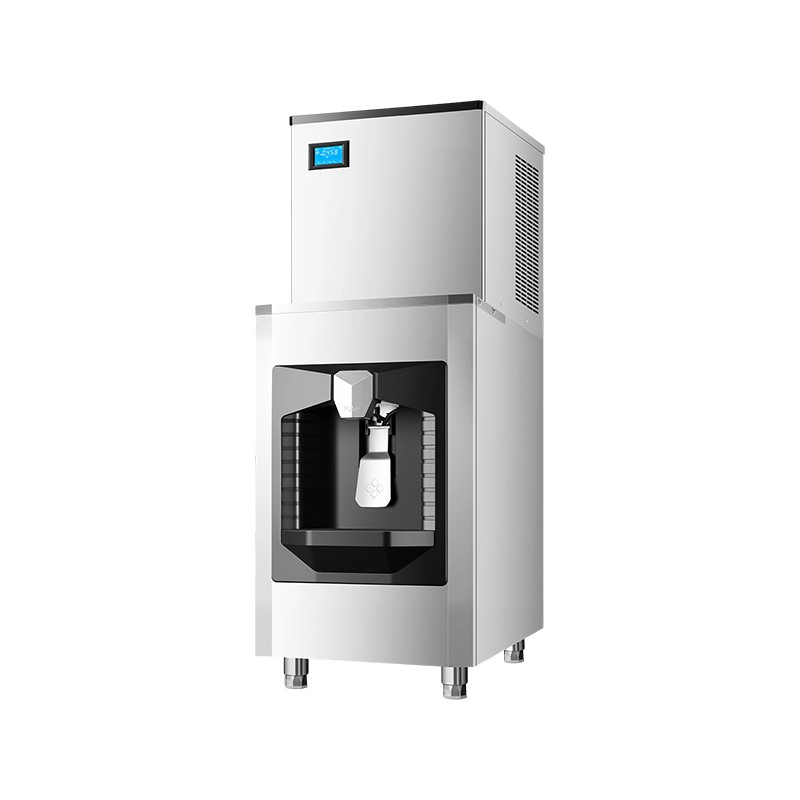
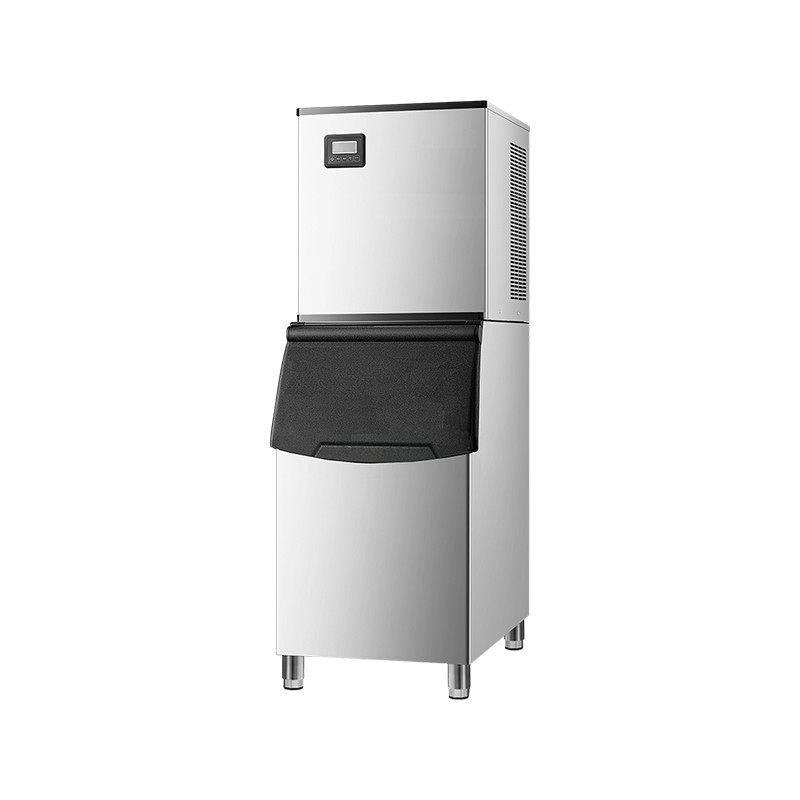
An increasingly popular configuration in high-volume commercial environments is the integrated ice making and shaving system—a unit that combines an on-board block ice maker with the shaving mechanism, eliminating the need for a separate block freezer and ice maker in the equipment lineup. These all-in-one systems produce and shave ice in a continuous workflow, reducing operational complexity and improving hygiene by minimizing ice handling between production and service stages.
Key Selection Criteria for Commercial Ice Shaver Machines
Selecting the right professional snow ice shaver machine for a commercial environment requires evaluating several interconnected technical and operational factors:
Motor Power and Duty Cycle
Verify continuous-duty ratings, not peak ratings. Commercial use demands motors rated for sustained operation at full load without thermal cutoff interruptions. A machine marketed at 1,000W peak output that is only rated for 2-hour continuous use will underperform and fail prematurely in a full-service commercial environment.
Output Capacity
Match machine output (measured in kg/hr) to your peak demand profile. Undersized capacity creates service bottlenecks during high-traffic periods; oversized machines represent unnecessary capital expenditure and consume more power than the operation requires.
Blade Adjustment Range
Fine texture control is what separates premium machines from commodity equipment. Look for micrometer-style blade gap adjustment enabling texture customization from coarse snow cone to ultra-fine bingsu powder—a capability that expands the product range the machine can support.
Build Materials and Construction
Commercial-grade stainless steel housing, food-safe internal components, and sealed bearings are non-negotiable for hygienic commercial kitchen operation and long-term mechanical reliability under daily use.
Electrical Requirements
High-power commercial shavers may require 220V single-phase or three-phase electrical connections. Verifying electrical infrastructure compatibility before purchasing avoids costly installation surprises and potential compliance issues.
Sanitation and Cleanability
Tool-free disassembly of ice contact surfaces, dishwasher-safe removable components, and NSF/CE/ETL certifications are essential commercial hygiene standards that protect both the operation and the consumer.
Throughput, Texture, and the Commercial Ice Product
In commercial ice shaving operations, the relationship between machine throughput and product quality is not linear. Pushing a machine beyond its optimal operating rate—forcing faster ice feeds or higher blade pressures to increase output—degrades texture, accelerates blade wear, and risks motor thermal stress. Professional operators understand that sustainable throughput at optimal blade settings consistently outperforms maximum-rate operation in both product quality and long-term equipment reliability.
Texture calibration is a skill that develops with operational experience but begins with understanding the machine's adjustment system. The finest bingsu-style ice, which should fall from the blade in wisps resembling fresh snow, requires a blade gap measured in fractions of a millimeter and a blade edge in peak condition. Weekly blade inspection and replacement scheduling based on volume—not calendar time—is the professional standard for maintaining this quality level in high-volume commercial operation.
Ice Block Quality and Its Effect on Shave Output
The quality of the ice block fed into the shaver directly determines the quality of the finished product. Key factors to control include:
- Freezing rate: Slowly frozen block ice (24–36 hours) contains fewer air bubbles and produces denser, smoother shave compared to rapidly frozen blocks with higher porosity.
- Water purity: Filtered or RO water produces clearer, purer blocks that shave more uniformly and present better visually in the finished dessert.
- Block temperature at shaving: Ice slightly above the storage freeze point (around -5°C to -3°C) shaves more easily and produces finer texture than blocks straight from deep freeze (-18°C).
- Block size standardization: Using consistent block dimensions reduces setup time, ensures predictable feed pressure, and maximizes blade efficiency across the full block surface.
Commercial Ice Making Integration: Block Ice Makers
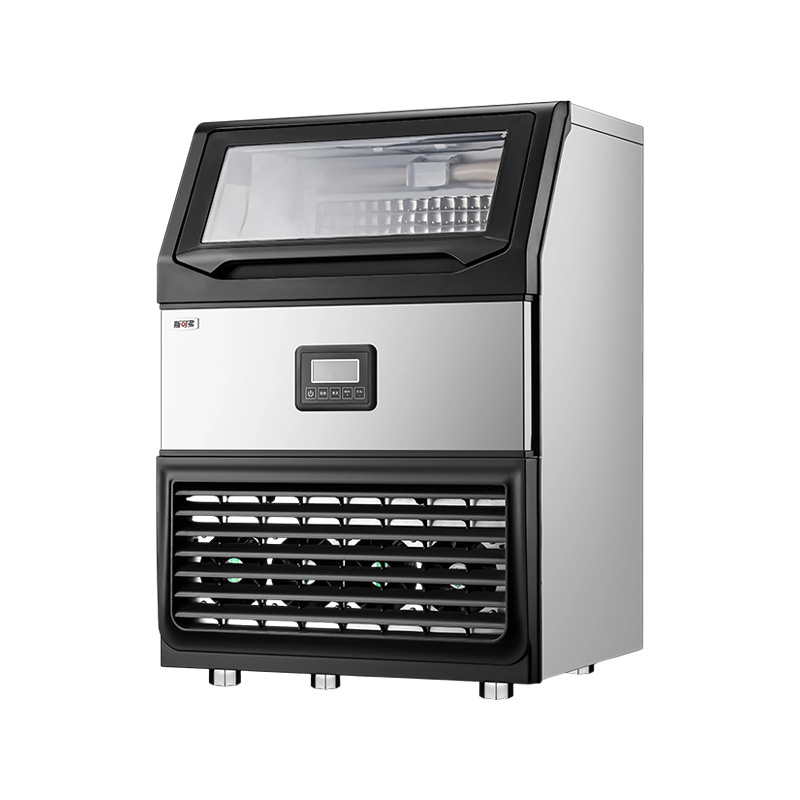
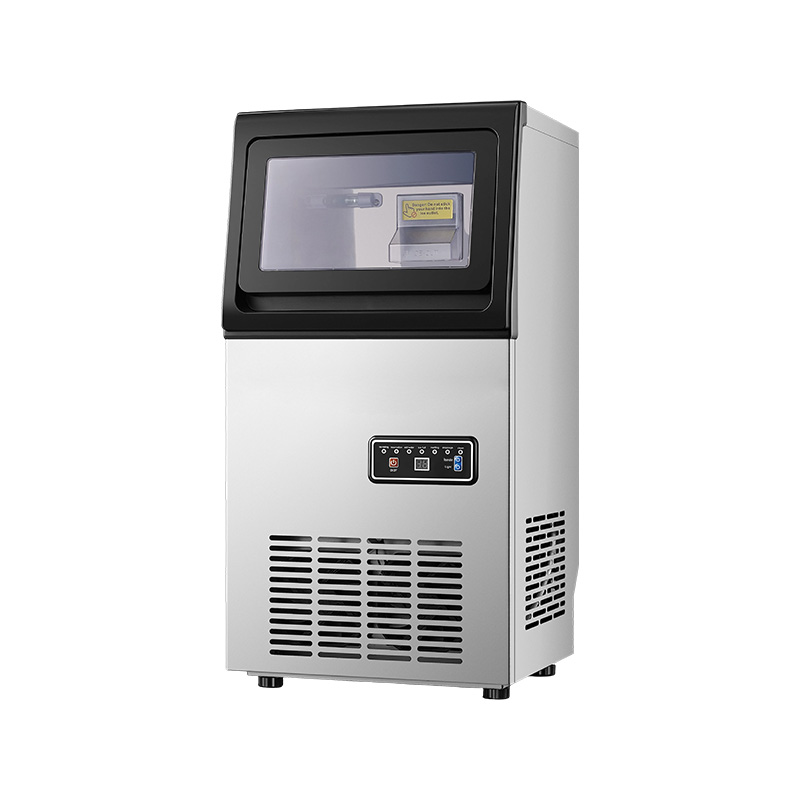
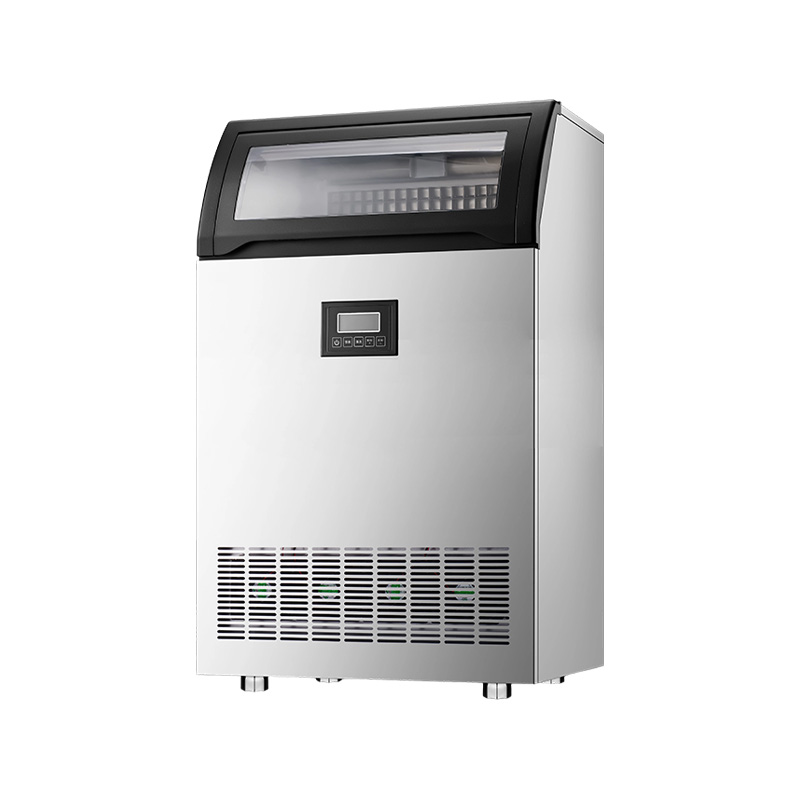
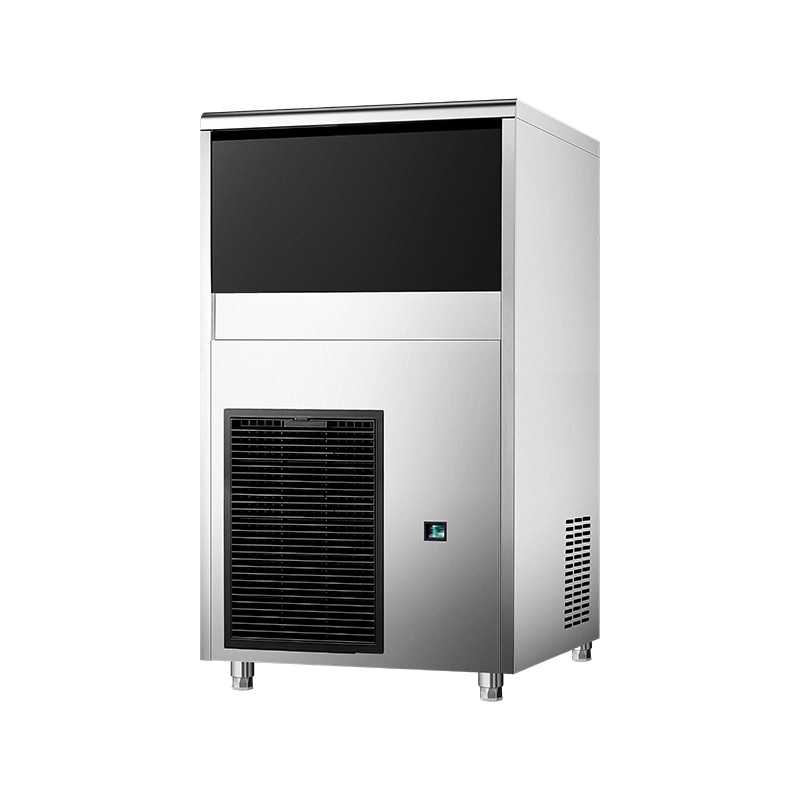
A professional snow ice shaver machine is only as effective as the quality of ice supplied to it. For operations committed to block-ice-quality shave, integrating a purpose-built commercial block ice maker into the equipment setup is as important as the shaver itself. Commercial block ice makers range from compact units producing 10–20kg of block ice per 24-hour cycle—suitable for small cafés and kiosks—to high-volume systems producing 50–200kg daily for large-format dessert operations, ice shaving chains, or event catering.
The ice maker and shaver must be matched in production capacity. A shaver capable of processing 60kg per hour paired with an ice maker producing 30kg per day creates a supply bottleneck that limits the shaver's commercial utility. Conversely, oversized ice making capacity tied to a low-throughput shaver results in excess ice inventory requiring significant cold storage and representing tied capital in frozen water rather than served product.
Modern commercial block ice maker systems also offer flavored ice block production—freezing pre-flavored or milk-based mixtures into blocks that, when shaved, produce inherently flavored snow without the need for post-shave syrup application. This technique, central to the Korean bingsu tradition, enables a product category that standard cube ice systems cannot replicate and commands significant premium pricing in the specialty dessert market.
Comparing Commercial Snow Ice Shaver Machine Categories
The commercial ice shaver market spans three broadly defined tiers, each suited to different volume demands and operational contexts:
| Specification | Entry Commercial | Mid-Range Professional | High-Volume Commercial |
|---|---|---|---|
| Motor Power | 250–400W | 500–750W | 800W–1,500W+ |
| Output (kg/hr) | 10–20 kg | 25–40 kg | 50–100+ kg |
| Continuous Duty Rating | 2–4 hours | 4–6 hours | 8+ hours |
| Blade Precision Adjustment | Limited | Moderate range | Micrometer control |
| Stainless Steel Housing | Partial | Full | Full + Sealed |
| Block Ice Compatible | Often No | Yes | Yes |
| NSF / CE / ETL Certified | Rare | Often | Standard |
| Variable Speed Control | No | Some models | Standard |
| Typical Price Range (USD) | $300–$800 | $1,000–$2,500 | $3,000–$8,000+ |
Hygiene, Safety, and Regulatory Compliance
Commercial food equipment operating in the ice and frozen dessert category is subject to regulatory oversight in most markets—and for good reason. Ice is a food product, and equipment producing it must meet standards for material safety, hygienic design, and operational safety that protect both the consumer and the operator. For professional snow ice shaver machines deployed in commercial environments, relevant certifications include NSF International (North America), CE Marking (Europe), and ETL Listed or UL Certification for electrical safety.
NSF certification for ice shaver equipment mandates that all food-contact surfaces be constructed from non-toxic, non-absorbent materials that are smooth, easily cleanable, and resistant to corrosion. Blade housings, ice chutes, collection bowls, and any surface that ice contacts during or after shaving must comply with these requirements. Tool-free disassembly of ice contact components is increasingly expected as a practical hygiene standard, enabling thorough cleaning and sanitization between operational periods without requiring maintenance tools that may not be available in a busy commercial kitchen environment.
Beyond hygiene, operational safety features on commercial ice shavers protect operators during daily use. Blade guards, automatic safety switches that halt blade rotation when the ice compartment is opened, and non-slip feet or mounting provisions for securing the machine to countertops are standard safety features on professional equipment. Operators should verify that purchased equipment includes these features and that staff are trained in proper operating procedures, including blade replacement protocols that minimize exposure risk.
Maintenance Scheduling: A Commercial Operations Priority
Professional snow ice shaver machines require a structured maintenance schedule to maintain output quality and equipment longevity. Recommended intervals for a machine running daily commercial service include:
- Weekly: Blade inspection and sharpness assessment
- Monthly: Deep cleaning of internal drive components
- Bi-annually: Blade replacement (volume-dependent)
- Annually: Motor and bearing inspection by a qualified technician
Deferred maintenance in commercial ice equipment manifests as texture inconsistency before it manifests as mechanical failure—making quality monitoring an early warning system for maintenance needs.
Operational Economics of Commercial Snow Ice Equipment
The financial case for investing in professional-grade snow ice shaver equipment extends well beyond the purchase price. The total cost of ownership for commercial ice shaving equipment encompasses the capital cost, installation (including any electrical upgrades required), ongoing blade and consumable costs, maintenance labor, energy consumption, and the opportunity cost of downtime caused by equipment failure during service hours.
A professional machine with a higher upfront cost but rated for continuous-duty commercial operation typically delivers a lower total cost per kilogram of shaved ice over its operational life than a cheaper unit that requires more frequent replacement, generates higher maintenance costs, or fails at critical service periods. In a high-volume shaved ice operation generating significant revenue per service hour, even brief equipment downtime represents a substantial revenue impact that dwarfs the cost premium of commercial-grade equipment.
Energy consumption is an increasingly relevant operational cost factor. Commercial ice shavers range significantly in power draw—from sub-400W entry units to 1,500W+ heavy commercial machines. In a market with rising commercial electricity rates, understanding the energy cost profile of candidate equipment—particularly on a cost-per-kilogram-of-output basis—is a meaningful component of the procurement decision. Variable speed drives and soft-start motor systems, increasingly standard on premium commercial equipment, reduce peak power draw and extend motor life, contributing to both reduced energy costs and lower long-term maintenance expenditure.
Leading Applications and Market Segments
Professional snow ice shaver machines serve a wide range of commercial food service contexts, each with distinct performance priorities:
- Shaved Ice and Snow Cone Kiosks: The highest-volume application for commercial snow ice shavers, where throughput capacity and operational reliability during peak seasonal demand periods—particularly summer months—are the dominant equipment selection criteria. Portable or semi-portable commercial shavers capable of operating on standard single-phase power are particularly valued in this segment.
- Korean Dessert Cafés and Bingsu Specialists: Prioritize blade precision and block ice compatibility above all other specifications, as the ultra-fine snow texture that defines premium bingsu is unachievable with equipment that cannot shave block ice at sub-millimeter thickness settings.
- Hotels, Resorts, and Event Catering: Require commercial ice shavers that combine high output capacity with the mobility and presentation quality appropriate to upscale service environments. Stainless steel finished machines with clean aesthetic design and quiet operation are prioritized alongside technical performance specifications.
- Bubble Tea and Specialty Beverage Chains: Incorporate commercial ice shavers as a component of a broader cold beverage production line, where integration with adjacent equipment, consistency across multiple locations, and staff-friendly operation are key selection factors alongside throughput capacity.
Emerging Technologies in Commercial Ice Shaving Equipment
The commercial ice shaving equipment category is not static. Several technology directions are shaping the next generation of professional snow ice machines:
- Digitally controlled blade adjustment systems with programmable preset settings allow operators to save and recall precise texture configurations for different menu items—eliminating manual blade gap calibration between product types and ensuring texture consistency across different operators and shifts.
- Integrated cooling systems in advanced commercial shavers maintain optimal ice block temperature at the shaving interface without requiring the operator to manage block temperature manually—a capability that directly improves texture consistency and reduces the skill barrier for producing premium-quality shave ice.
- Rapid-cycle block ice makers using accelerated freezing technology are reducing the 24–36 hour production cycle of conventional block ice makers to 4–8 hours for smaller block formats—enabling responsive ice supply management in high-throughput operations without requiring large cold storage inventories.
As the global shaved ice and frozen dessert market continues its growth trajectory—driven by the mainstream popularization of Korean bingsu, Taiwanese snow ice, and Filipino halo-halo outside their regions of origin—investment in professional commercial snow ice shaver machines and integrated ice making infrastructure is becoming a defining competitive advantage for operators serious about product quality and service consistency.