
 English
 中文简体
 عربى


Home / News / Industry News / How to Choose the Best Commercial Shaved Ice Machine for Your Business
Content
- 1 Start With the Ice You Can Actually Get
- 2 Know Which Shaved Ice Style You Are Selling
- 3 What Separates a Commercial Machine From a Home Unit
- 4 Match Capacity to Your Peak Hour, Not Your Average Day
- 5 Texture, Blade Adjustment, and Staff Control
- 6 Cleaning, Safety, and the Parts You Will Actually Touch
- 7 A Quick Comparison of Common Buying Priorities
- 8 Look Past the Sticker Price
- 9 A Simple Test Plan Before You Commit
- 10 Questions Worth Asking
- 11 The Best Choice Is the One Your Team Can Run Every Day
The best commercial shaved ice machine is not simply the model with the highest horsepower or the longest feature list. It is the machine that matches the ice you can actually buy, the texture your menu promises, the space behind your counter, and the pace of your busiest hour. We have worked around ice and cold-drink equipment since 2007, and the most useful buying conversations tend to start with workflow rather than catalog numbers.
A machine can look impressive in a showroom and still slow down a small dessert shop. Another machine can seem modest on paper but keep a busy beverage counter moving all afternoon. The right choice comes from a few practical questions: what kind of ice will you load, how many servings must you produce at peak, who will clean it, and how easily can you get replacement blades or service?
Start With the Ice You Can Actually Get
Before you compare motors and hoppers, confirm the ice format the machine accepts. Some commercial shavers are designed around standard cube ice. Others expect larger blocks of ice, which may need separate storage, handling, and a steady supplier. Do not assume that every shaver can handle every ice shape. The texture, speed, and even the motor load can change when the ice is too large, too warm, or too brittle.
If you buy bagged ice, a cube-ice shaver is usually the more convenient route. If you make your own blocks or have a reliable block ice supplier, a block shaver may produce the traditional ribbon-like texture your customers expect. Either way, test with the ice you will use in normal service. Ice that has softened in a warm delivery truck behaves differently from ice that comes straight from a freezer. If you are still weighing machine styles, our guide to choosing an ice shaver can help you compare the basic formats before you move on to capacity and controls.
Know Which Shaved Ice Style You Are Selling
Shaved ice, snow ice, and crushed ice are often used loosely in conversation, but they are not the same product. A commercial shaved ice machine usually aims for fine, fluffy flakes or soft ribbons. A snow ice shaver may be built for a denser, creamier base. A general ice crusher produces coarser pieces for drinks, displays, or food service. The machine should support the menu item you plan to sell, not the other way around.
The same syrup and topping can taste very different depending on shaving texture. Fine shavings absorb syrup quickly and feel light in the mouth. Coarser ice holds its shape longer and can work well in cocktails or takeaway cups. If your menu includes both Hawaiian-style shaved ice and snow ice desserts, you may need two machines or a model with clearly different blade settings. Our shaved ice versus snow ice buying guide explains where the two product styles usually part ways.
Also think about how the finished dessert is served. A tall cup may need ice that holds a mound without collapsing. A flat bowl may suit softer, wetter shavings. Ask for a sample using your own syrup, not just water. Water alone can hide how the ice binds, melts, and releases flavor.
What Separates a Commercial Machine From a Home Unit
The word commercial should describe duty cycle, not just size. A home shaver may handle a bowl of ice once a weekend. A commercial shaved ice machine has to start and stop dozens of times in a shift, sometimes for several minutes without a break. That workload affects the motor, gearbox, blade holder, and switch gear. Ask how long the machine can run continuously and whether the motor has thermal protection.
Look closely at the parts that touch ice and water. A food-grade stainless steel hopper or ice chamber is easier to clean and less likely to corrode. Transparent covers help staff see when ice is flowing properly. A waterproof switch and a stable base matter in a wet counter area. Safety interlocks should stop the blade when the cover is open, and the blade changing or cleaning process should not require awkward tools or risky handling.
Commercial buyers should also ask about replacement blades, fuses, belts, and service instructions. A machine is only as useful as its spare-parts path. If a blade dulls during a busy weekend, you need a clear plan for replacement without shutting down the whole menu.
Match Capacity to Your Peak Hour, Not Your Average Day
Average daily sales can hide the real pressure. A shop may sell sixty drinks over an afternoon but thirty of them in one hour. Calculate peak demand instead: servings per hour multiplied by the amount of ice per serving, then add a buffer for toppings and remakes. Small cups, large cups, and shared bowls all change the load.
Output is not only a number on a specification sheet. Blade speed, hopper size, motor strength, and how quickly staff can reload ice all affect real throughput. A high-speed machine with a small hopper may require constant refilling. A larger hopper can reduce interruptions, but it also takes up more counter space. Watch a demonstration with several reloads, not just one perfect cup.
For a high-volume counter, a 320 rpm big-capacity shaver is a practical starting point because the machine is built for a heavier pace and can reduce repeated slowdowns during rush periods.
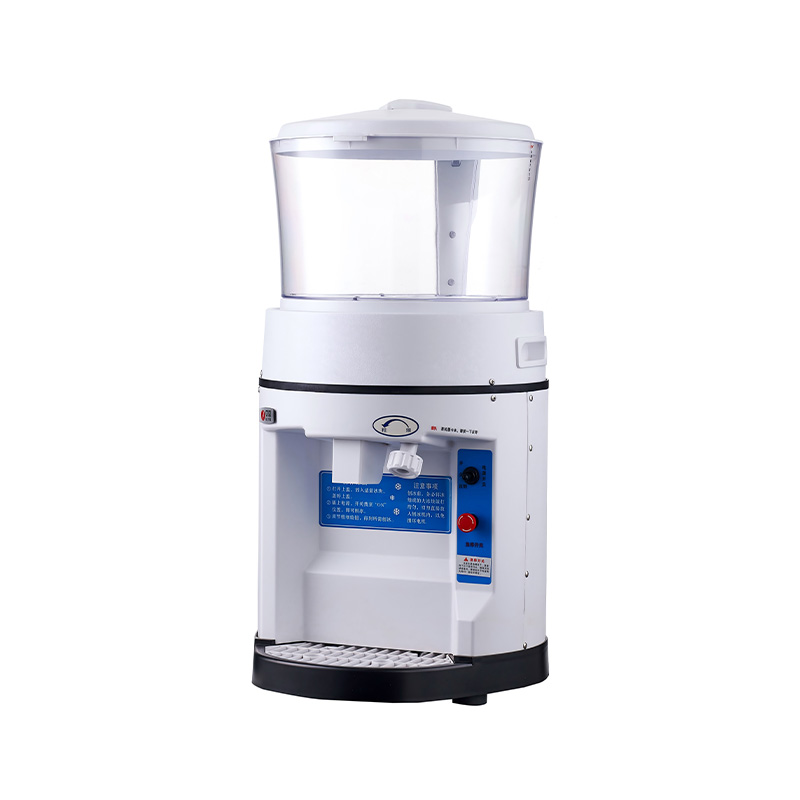 BY-568 320RPM Big-Capacity Commercial Ice ShaverSuited to high-volume counters, this 320 RPM shaver offers continuous 480 kg/h output and an adjustable blade for coarse to fluffy ice.View Product →
Texture, Blade Adjustment, and Staff Control
The blade is the heart of a shaved ice machine. A sharp, well-aligned blade produces clean flakes. A dull or poorly seated blade crushes unevenly, creates wet clumps, and puts extra strain on the motor. Ask how the blade is adjusted, how often it should be inspected, and whether replacement is straightforward.
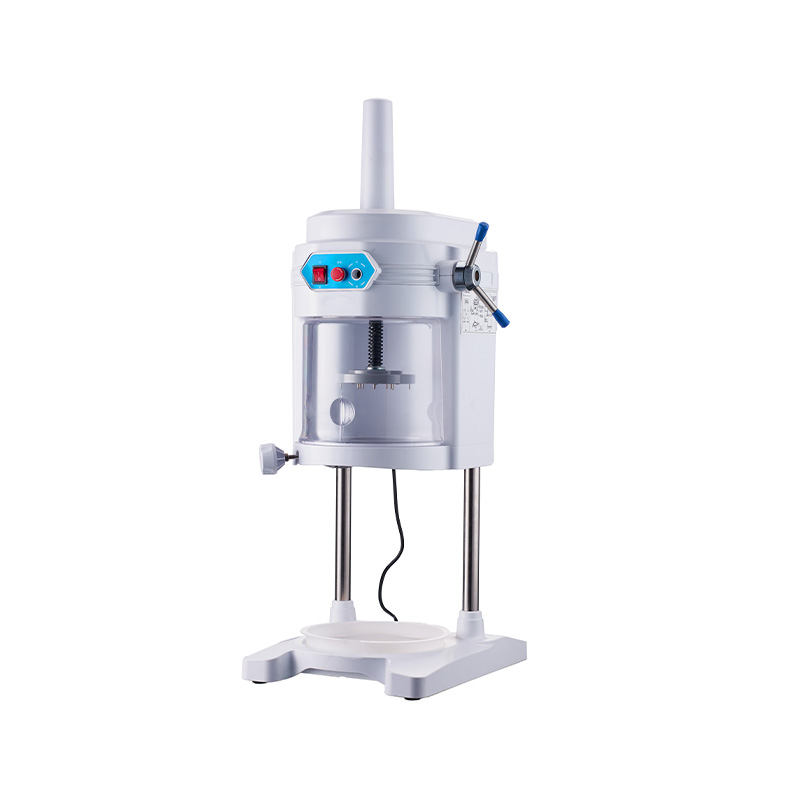
Staff control matters more than many buyers expect. During a rush, employees should not need to guess which setting works for each cup size. Clear markings, simple adjustment, and predictable restart behavior reduce training time. Where staff rotate often, a one-button shaver with a food-processing style can make the routine easier to repeat and help keep texture consistent between shifts.
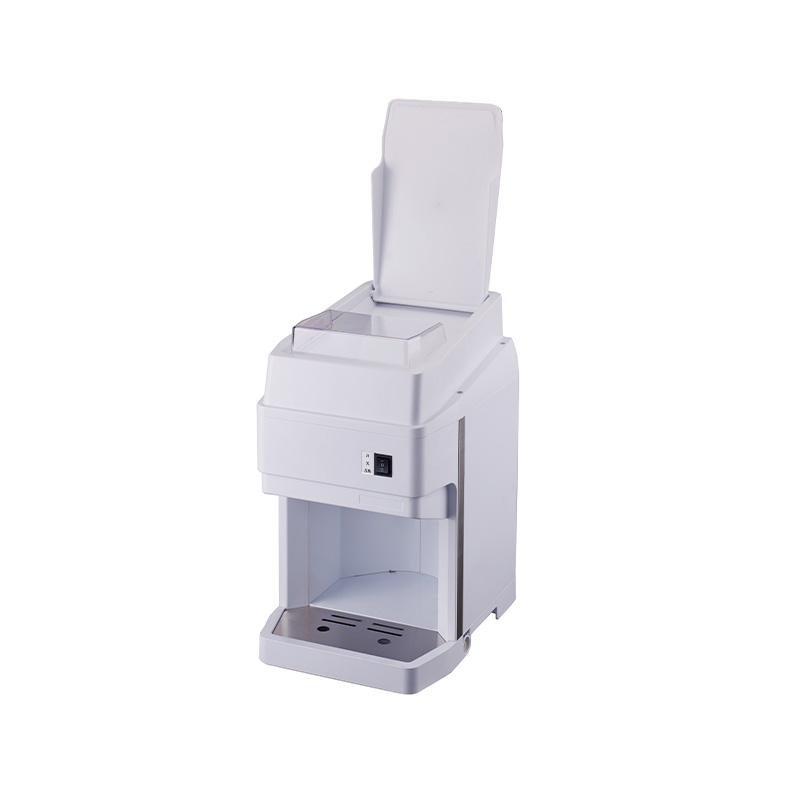 BY-288 One-Button Food Processor Ice ShaverFor simpler staff routines, this one-button shaver delivers 120 kg/h and adjustable coarse-to-fluffy ice from a 3.5 kg/5 L hopper.View Product →
Counter Space and Simplicity
Measure the real counter, including the clearance needed to open the cover and lift a full hopper. Shaved ice machines are often tall enough to block sightlines or crowd a syrup station. A compact footprint can matter more than a marginal difference in speed, especially in small dessert bars and coffee counters. A transparent, multifunction unit can also help staff monitor ice flow while keeping the station visually clean.
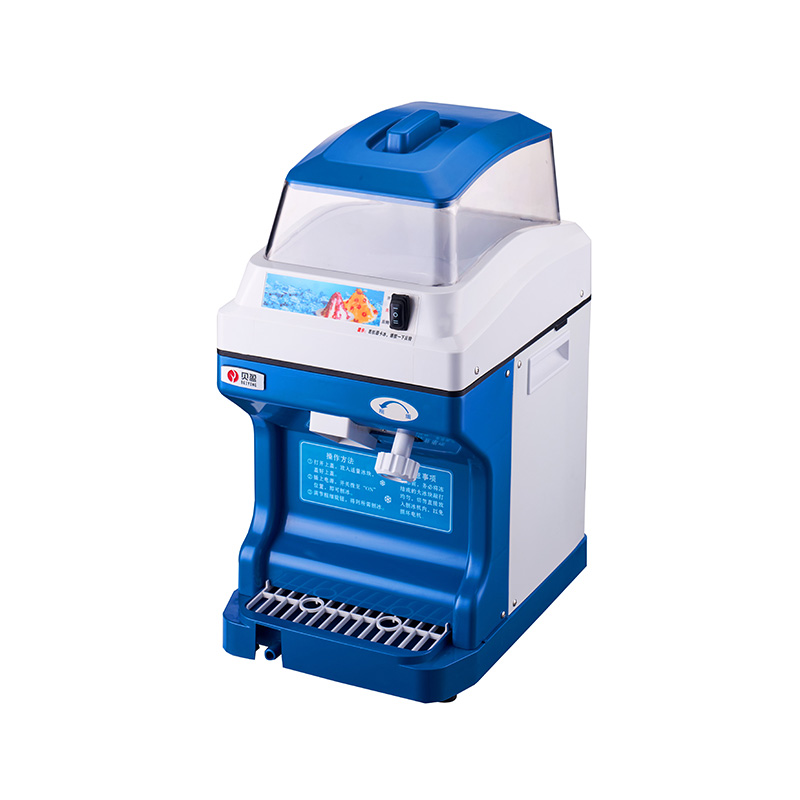 BY-188 Transparent Multi-Function Ice ShaverA transparent multi-function design and 300 kg/h output make this shaver worth checking for compact counters and easier ice-flow monitoring.View Product →
Cleaning, Safety, and the Parts You Will Actually Touch
Shaved ice equipment works around water, sugar, and fine ice dust. Removable parts should come apart without hidden corners where residue can build up. Ask whether the ice bin, cover, and blade area can be cleaned at the end of each shift without dismantling the motor housing. A simple daily routine is more likely to be followed than a deep cleaning procedure that takes an hour.
Safety deserves a direct conversation. Confirm that the machine cannot be operated with the cover open. Keep blade handling away from untrained staff. Provide a waterproof work surface and a clear place to drain melted ice. If the machine sits near a beverage station, route power cords away from spills. Training should cover jam clearing, emergency shutdown, and when to stop using a machine that vibrates or smells hot.
A Quick Comparison of Common Buying Priorities
| Buying priority | What to verify | Why it matters |
|---|---|---|
| Ice format | Cube, block, or specific ice size accepted | Prevents costly supply problems and poor texture |
| Peak output | Servings per hour with realistic reloads | Keeps the queue moving during rush periods |
| Texture control | Blade adjustment and repeatable settings | Supports a consistent menu and easier staff training |
| Cleaning access | Removable parts and safe blade access | Improves hygiene and reduces downtime |
| Power and space | Voltage, plug, counter footprint, and clearance | Avoids installation surprises and cramped stations |
| Parts support | Blade supply, service guidance, and warranty terms | Protects the investment after the first busy season |
Look Past the Sticker Price
A low purchase price can be misleading if the machine wastes ice, slows service, or needs frequent blade changes. Estimate cost per serving, not just cost per machine. Include the ice lost during setup, the labor time spent clearing jams, and the revenue lost when a machine stops during a rush. A reliable commercial shaver may cost more upfront and still be the cheaper choice over a full season.
Ask for a clear list of wear parts and their replacement intervals. Confirm what the warranty covers and what it does not. A warranty that excludes blades or labor may not help much when a busy shop needs a quick fix. Also consider whether the supplier can provide operating instructions, cleaning guidance, and spare parts after the sale. Good support is part of the machine.
A Simple Test Plan Before You Commit
- Bring the exact ice you plan to use, not a showroom sample.
- Run the machine for at least ten continuous minutes and listen for unusual vibration.
- Shave ice for small, medium, and large servings and compare the texture.
- Test with your own syrup to see how the ice absorbs and holds its shape.
- Open the cover and check how easily the blade area can be cleaned.
- Ask for the recommended daily cleaning routine and spare-parts list.
If possible, watch someone who has never used the machine try it once. The best commercial shaved ice machine should not require a specialist at every busy hour. It should make ordinary staff feel capable and keep the menu consistent.
Questions Worth Asking
- What ice size and temperature does the machine perform best with?
- How many servings can it produce in a peak hour, including reloads?
- How is the blade adjusted, and how often should it be replaced?
- Can the hopper, cover, and blade area be cleaned without tools?
- What safety features prevent operation with the cover open?
The Best Choice Is the One Your Team Can Run Every Day
The best commercial shaved ice machine for your business is the one that fits your ice supply, produces the texture your customers expect, keeps up with your busiest hour, and stays clean and serviceable through the season. Start with the menu and the workflow. Then compare capacity, blade quality, safety, and parts support with the same attention you give to price.
If you choose around those practical points, the machine will do more than pass a showroom test. It will become a dependable part of the counter routine, one that helps your team serve consistent shaved ice without adding unnecessary stress to the day.